

As a crucial piece of equipment in grain processing, the rice milling machine plays a key role in ensuring the transformation of paddy into high-quality rice. A deep understanding of its process flow and working principle is essential for improving production efficiency and processing quality. This article aims to explore the complete equipment process and working principle of a 120-ton rice milling machine, focusing on analyzing the impact of process parameter optimization on processing quality and efficiency.
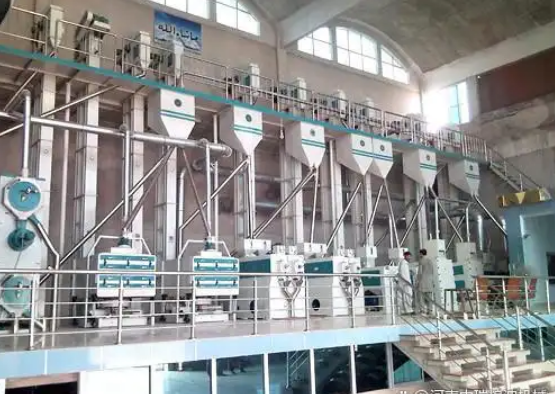
1. Rice Milling Machine Working Principle
The rice milling machine works based on physical mechanical forces, removing the husks of paddy through grinding and peeling to obtain white rice. The entire process includes multiple steps: raw grain input, milling, polishing, grading, and finished product output. Among these, the milling stage is the key to determining rice quality, while polishing and grading directly affect the appearance and taste of the finished rice.
2. The Importance of Process Parameter Optimization
Process parameter optimization refers to adjusting and controlling various parameters involved in the rice milling process (such as milling pressure, speed, and temperature) to achieve the best processing results. Properly setting these parameters can significantly improve rice quality, increase production efficiency, and reduce energy consumption and material loss. For example, appropriate milling pressure ensures thorough removal of the paddy husk while preventing over-milling that could lead to rice breakage; suitable rotation speed helps distribute grinding force evenly, reducing mechanical wear; and precise temperature control prevents rice from spoiling due to high temperatures.
3. Key Process Parameters and Their Impact
Milling Pressure: Both excessively high and low pressure will affect the rice milling effect. Excessive pressure increases the rice breakage rate, while insufficient pressure fails to effectively remove the paddy husk. Experiments show that the appropriate pressure range is 20-30 kg/cm², with specific values adjusted according to the rice variety.
Rotation Speed: A reasonable rotation speed not only improves production efficiency but also enhances rice quality. Excessively high rotation speed increases frictional heat, potentially causing rice spoilage; excessively low rotation speed affects milling efficiency. A generally recommended rotation speed range is 600-800 rpm.
Temperature Control: Temperature control during the rice milling process is equally important. Excessive temperature can cause rice to lose its luster and even discolor. Ideally, the rice milling environment temperature should be maintained between 20-30℃.
4. Equipment Selection and Cost Considerations
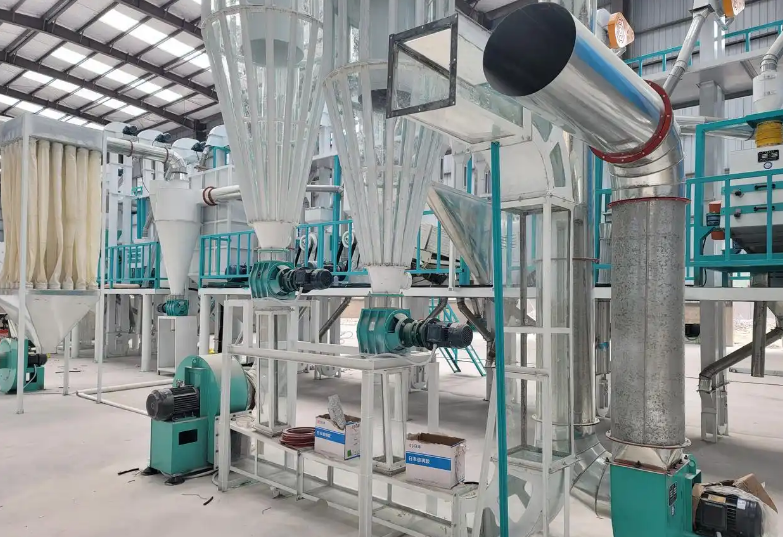
Depending on different production needs and budget constraints, companies can choose rice milling production lines of varying sizes. Small production line equipment costs approximately 150,000-250,000 RMB and is suitable for small-scale production and trials; medium-sized complete sets of equipment range from 250,000 to 1,000,000 RMB, suitable for medium-scale production needs; large complete sets of equipment cost between 1,000,000 and 1,500,000 RMB and are suitable for large-scale continuous production. When purchasing equipment, companies should consider not only the initial investment cost but also the equipment’s performance, maintenance costs, and long-term operational benefits.
Conclusion
Through in-depth analysis of the process flow and working principle of the FOTMA MILL 120-ton rice milling machine, we can see that reasonable process parameter settings play a decisive role in improving the quality and efficiency of rice processing. In the future, with the advancement of technology and the continuous optimization of processes, it is believed that rice milling equipment will further improve the quality of finished rice while maintaining high-efficiency production.
Post time: Jul-01-2026