

The processing of vegetable oils, such as cottonseed and peanut oil, involves multiple stages, including dehulling, pressing, solvent extraction, and refining. Traditional methods often suffer from low efficiency and inconsistent oil yields. Modern oil processing equipment, through optimized mechanical structures and process parameters, enables the highly efficient conversion of raw materials into finished edible oil. This article uses cottonseed oil processing equipment as an example to analyze its technical principles and practical applications.
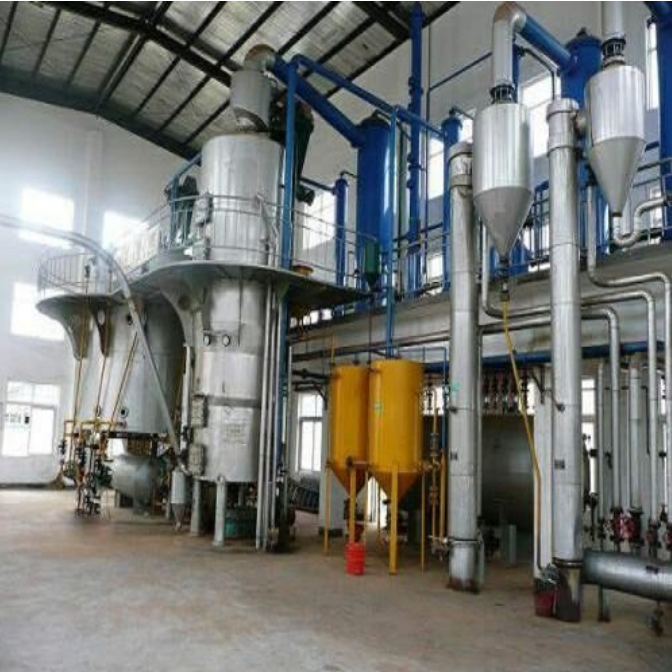
I. Core Equipment Components and Working Principles
A complete set of cottonseed oil processing equipment typically consists of a dehuller, a press, an extractor, and a refining unit. The dehuller uses physical friction to remove the outer hulls of the cottonseed, minimizing the impact of impurities on subsequent stages. The press utilizes a rotating screw shaft—featuring a 102mm-diameter pressing chamber—to exert pressure and extract the bulk of the oil from the raw material, achieving an oil yield of 45%–55%. The extraction unit employs solvent extraction technology, operating at a constant temperature of 50°C–55°C for a duration of 5–10 minutes, ensuring thorough separation of the solvent from the oil. The refining stage incorporates vacuum fractionation and temperature-controlled bleaching to remove impurities, free fatty acids, and pigments, resulting in a finished product that meets edible oil standards.
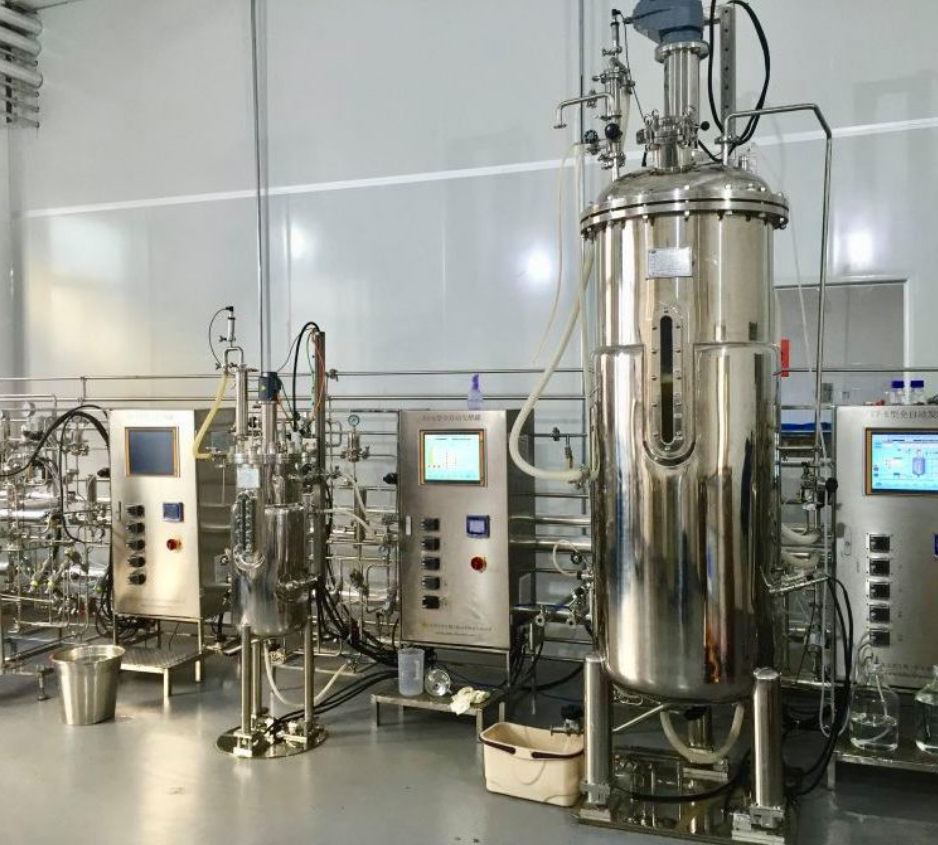
II. Technical Parameters and Performance Optimization
The equipment is available in capacities ranging from 50 to 300 tons per day, catering to production requirements of various scales. Designed with a 260kW power rating and a 380V power supply, the system balances robust output with energy efficiency. The screw shaft—with its 102mm-diameter pressing chamber—features optimized thread pitch and rotational speed, striking a balance between maximizing oil yield and minimizing equipment wear. Furthermore, the fully continuous refining process and one-touch operating system reduce the need for manual intervention and enhance production stability. Experimental data indicates that this equipment is highly versatile, capable of processing various oilseeds such as rapeseed, cottonseed, soybeans, and peanuts. The extraction stage offers precise control over temperature (within ±1°C) and duration, effectively preventing oil oxidation caused by high temperatures. III. Operational Procedures and Safety Essentials
Before starting the equipment, check the shelling machine’s screen for blockages, verify the lubrication of the press’s screw shaft, and ensure the solvent level in the extractor is appropriate. During production, monitor the vacuum level in the refining tower (typically maintained between -0.08 MPa and -0.09 MPa) and the bleaching temperature (110°C–120°C) to prevent any degradation in oil quality. After shutdown, clear any residual solvent from the extractor to eliminate the risk of evaporation. Furthermore, the equipment can be customized; users may adjust parameters—such as the rotational speed of the shelling machine or the pressure of the press—based on the specific characteristics of the raw materials (e.g., oil content, hull-to-kernel ratio). Such adjustments must be performed by qualified technical personnel to ensure safety.
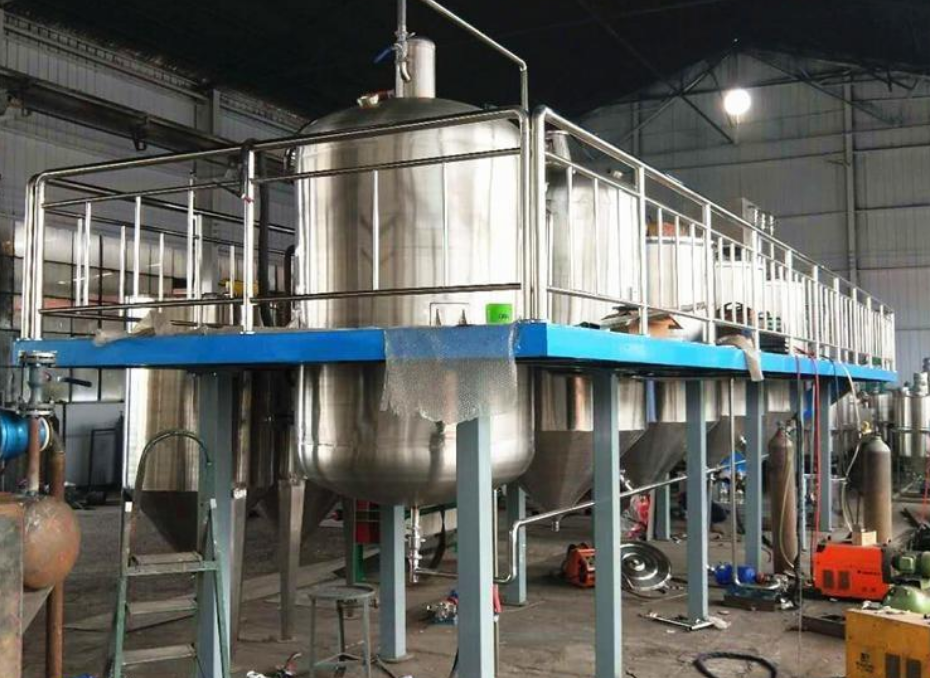
IV. Application Scenarios and Industry Value
This equipment is suitable for small-to-medium-sized oil mills, agricultural cooperatives, and food processing enterprises, capable of handling various oilseeds, including rapeseed, cottonseed, and peanuts. Compared to semi-continuous refining processes, the fully continuous design minimizes material loss during intermediate stages, increasing oil yield by approximately 8%–12%. Additionally, the constant-temperature bleaching technology prevents the formation of trans fatty acids—a common issue with traditional high-temperature bleaching—thereby aligning with modern healthy dietary standards. For enterprises looking to scale up, the equipment supports modular expansion; daily processing capacity can be doubled simply by adding more extractors or refining towers.
Post time: Nov-05-2026