

As public interest in healthy eating continues to grow, rice bran oil has gained market favor due to its rich content of nutrients beneficial to human health. For investors looking to enter this sector, understanding how to build an efficient rice bran oil production line is essential. This article explores the equipment required for such a production line and key factors to consider when optimizing process parameters.
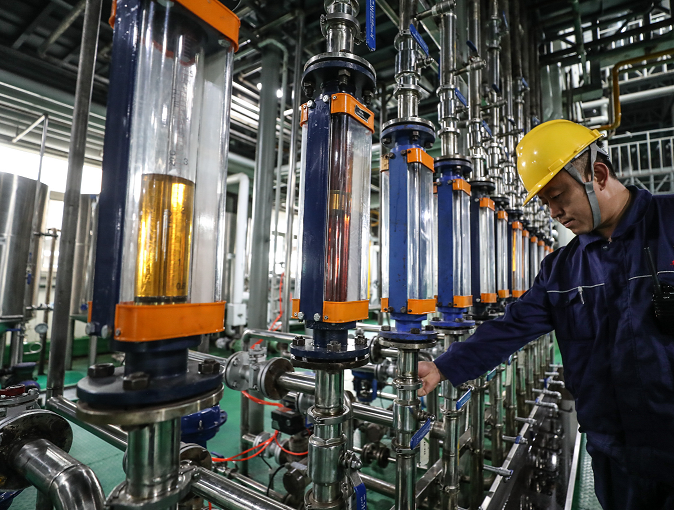
I. Overview of Production Line Equipment
Depending on the scale of operations, rice bran oil production lines can be categorized into small, medium, and large-scale systems. Taking solutions provided by FOTMA MILL as an example:
- Small-scale production lines: Designed for startups or operations with lower output requirements, these feature basic equipment—such as pre-treatment units (e.g., cleaning machines) and oil presses—with a total investment typically ranging from 150,000 to 250,000 RMB.
- Medium-scale production lines: Suited for enterprises with established market demand that have not yet reached large-scale production. In addition to the basic equipment mentioned above, these lines may include more advanced components such as refining systems and filtration units, with an investment range of approximately 250,000 to 1 million RMB.
- Large-scale production lines: Designed for enterprises with significant market share and high output requirements. These lines encompass the entire process—from initial raw material handling to final product packaging—and incorporate higher levels of automation to ensure product quality and operational efficiency. The estimated investment for such lines is approximately 1 million to 1.5 million RMB.
II. Optimization of Process Parameters
To ensure the quality of the final product and enhance overall operational efficiency, it is crucial to scientifically and rationally set and adjust various process parameters when planning a rice bran oil production line. Key areas requiring special attention include:
- Temperature control: Temperature fluctuations during different stages of processing directly affect oil quality. For instance, maintaining an appropriate temperature during the degumming stage facilitates the removal of impurities, while the cold-filtration stage requires lowering the temperature to promote the precipitation of solid matter.
- Pressure regulation: Setting the optimal pressure during the pressing process is a critical factor in achieving a high oil yield. Excessively high or low pressure can lead to a decline in yield and may even compromise the quality of the oil.
- Time Management: The total duration of the entire process—from the preparation of raw materials to the output of the finished product—is a key factor affecting production efficiency. By precisely calculating the optimal operating time for each step and taking measures to minimize unnecessary waiting, it is possible to accelerate production while maintaining quality standards.
In summary, establishing a successful rice bran oil production line requires not only the selection of appropriate equipment but also an in-depth study of the specific requirements for each stage of the process, along with continuous optimization of relevant parameters to achieve established goals. Furthermore, given the critical importance of food safety, all personnel involved in production must undergo professional training and strictly adhere to all applicable laws and regulations, ensuring that the products provided to consumers are safe and reliable.
Post time: Oct-27-2026