

The small FMNJ series combined rice mill is mainly used for paddy processing. Its significant features include a short process flow and minimal residue inside the machine: single-machine output of white rice, resulting in a clean, translucent, and delicate finished product; a unique husk separation method for more thorough husk separation and significantly improved processing conditions; no need to change the screen surface when processing different varieties of paddy; simply adjust the speed of the husk separator during processing to achieve the desired separation effect; the entire unit has a compact design and small footprint, making it suitable for small and medium-sized rice processing plants. The operation and maintenance process are described below.
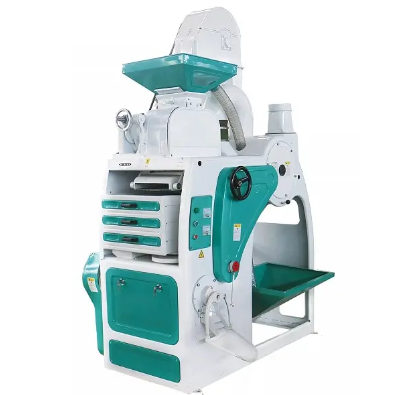
1. Before operation, let the machine run idle for a period of time (10-20 minutes) to check whether all parts of the equipment are working properly and whether there are any abnormal noises. Only after confirming that there are no abnormalities can feeding operations begin.
2. Turn the handwheel adjusting the speed of the rice bran separator counterclockwise to high speed, open the gate of the feed hopper, and the elevator will start working. When material returns to the elevator through the return pipe, open the huller’s feed gate, adjust the rubber rollers to the normal roller spacing, and simultaneously observe whether the material flowing from the rice bran separator onto the rice bran separator contains rice husks, and whether the rice husks discharged by the rice bran blower contain rice. If so, adjust the airflow of the rice bran blower until the blower reaches the ideal airflow before it can operate normally. The flow rate of the rice huller is based on the thickness of the material on the rice bran separator. If the rice huller flow rate is set very high or even full, but the rice bran separator screen still has insufficient material or even “perforates,” it indicates insufficient material supply from the elevator, and the problem needs to be identified and adjusted to normal conditions promptly.
3. Once the condition on the screen surface meets the requirements, quickly adjust the speed of the separating screen to medium, allowing the brown rice to enter the milling chamber at a stable flow rate. Observe the rice coming out of the rice outlet. The rice should be completely or almost free of grains. If a small number of grains are found, slightly increase the speed of the separating screen until satisfactory results are achieved. If the rice is found to be broken, check if the output is too low. Insufficient output will lead to insufficient pressure in the milling chamber, resulting in broken rice and high rice temperature. In this case, slightly decrease the speed of the separating screen until normal. If it is still not ideal, check if the feed from the elevator is insufficient or if the output of the rice huller is too low. If the rice is not of sufficient precision, increase the weight of the pressure gate on the rice outlet. In addition, excessive flow rate will also cause insufficient rice precision.
4. After the material in the feed hopper is emptied, slightly increase the speed of the separating screen to allow the material to return to the rice huller for re-hulling. When there is virtually no rice left in the rice huller and on the return screen pipe, gradually decrease the speed of the separating screen to allow the clean rice to quickly enter the milling chamber, thus completing the rapid finishing process.
5. During processing, regularly check whether the rice grains are uniform in size, whether there is an increase in broken rice, and whether the yield is stable. If any problems are found, identify the cause and resolve it promptly.
6. During daily processing, pay attention to equipment maintenance. For bearings in high-speed rotating parts (such as fans), add grease every 3 months; for bearings in lower-speed parts, add grease every 6 months. Add lubricating oil to the rice huller housing as needed, but do not add too much to avoid overflow. The amount should be just enough to ensure the gears can swirl the oil for lubrication. After a period of operation, when the rice milling precision begins to decrease, check if the pressure bars, sand rollers, rice sieves, and bushings in the rice milling chamber are excessively worn; replace them promptly if necessary. After a period of operation, if the output decreases, check if the elevator supply is sufficient. After eliminating any blockages, focus on adjusting the belt tension to prevent slippage.
If you need more information or any help, feel free to contact us!
Post time: Feb-28-2026