

While rice processing may appear routine, it actually involves the deep integration of precision machinery and intelligent control systems. Based in Wuhan, Hubei, FOTMA MILL has achieved significant breakthroughs in low-temperature-rise rice milling technology after eight years of continuous research and development. Its proprietary intelligent rice milling system not only reduces the workforce required for a traditional production line from 7–8 people to just two, but also consistently improves the whole-grain yield and cuts energy consumption per ton of rice by 10%–15%, providing robust technical support for grain conservation and loss reduction in the processing industry.
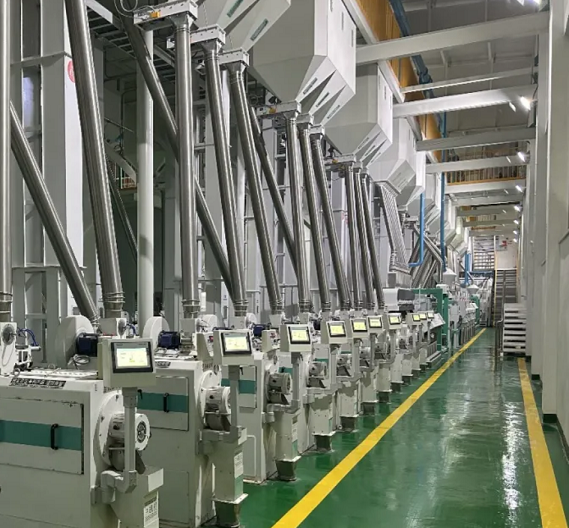
On June 14, reporters visiting the FOTMA manufacturing plant observed 50 units of low-temperature-rise rice milling machines that had completed final assembly and testing, ready for shipment to Indonesia. According to company management, this batch consists of mature, standardized products, and overseas orders remain steady. Meanwhile, the intelligent rice milling machines promoted for the domestic market feature a comprehensive digital central control platform, enabling real-time management of the entire process—from raw material intake and milling to the final rice output.
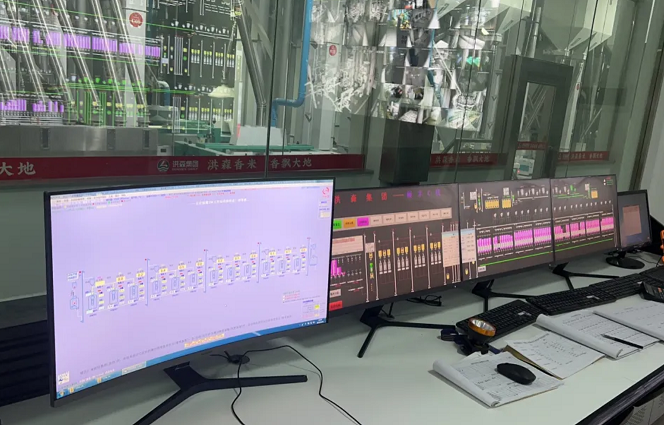
Traditional rice milling lines typically require 7 to 8 workers to coordinate operations—monitoring flow rates, adjusting pressure, checking for temperature rises, and troubleshooting malfunctions; a delay at any stage can impact the rice yield. In contrast, FOTMA’s low-temperature intelligent system relies on its comprehensive digital central control platform, allowing operators to simply set parameters via a touchscreen while the machine runs automatically. Following this intelligent upgrade, the entire production workshop can be operated and maintained by just two staff members.
The core advantage of the low-temperature intelligent rice milling machine lies in its optimized operational structure, which reduces energy consumption per ton of rice by 10%–15% and effectively boosts the rice yield by 2%–4%. By consistently meeting standards for whole-grain yield, the system widens the price gap between whole grains and broken rice, tangibly helping grain enterprises increase economic returns and reduce grain waste. A single low-temperature intelligent rice milling machine can achieve a maximum output of 8,000 to 11,000 kilograms per hour.
The entire research and development cycle spanned eight years. The primary challenge lay not in the mechanical structural design, but in data acquisition and processing during the milling process; variables such as pressure, temperature, flow rate, and electric current within the whitening chamber all impact the final result. Precisely capturing this data and using algorithms to achieve real-time regulation of feed flow and milling pressure formed the core of this eight-year development effort. Ultimately, the R&D team utilized Siemens PLC controllers and touchscreens to form the control core. By employing technologies such as fuzzy logic control, iterative learning control, and hierarchical control to analyze data and regulate actuators in real-time, they ensured the rice milling machine consistently operates at peak performance.
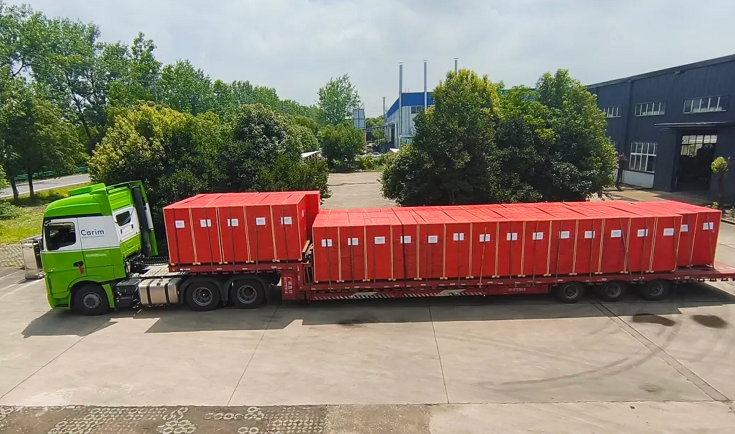
The company’s total annual sales volume is approximately 2,000 units, with exports to Southeast Asian countries accounting for about 500 units—representing one-quarter of total annual sales.
Post time: Sep-17-2026