

Rice, as the seed of rice, consists of several parts, including the pericarp, seed coat, embryo, and endosperm. Polished rice is the product of multiple milling cycles and primarily consists of the endosperm.
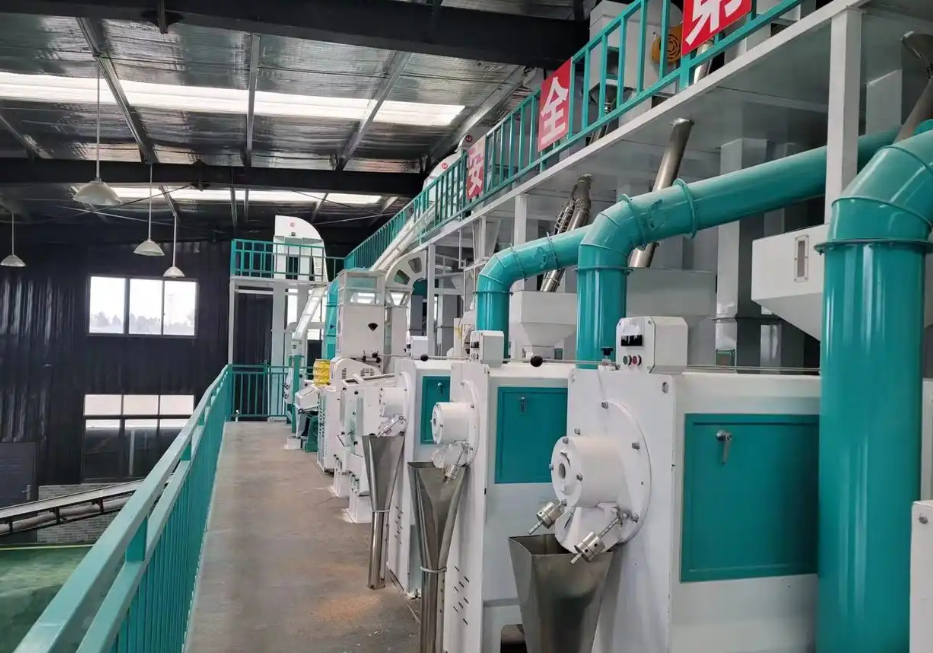
Rice processing typically involves five steps. The first is dehulling, which removes impurities such as iron, stone, and soil from the rice grains. The second step is hulling, which removes the outer shell of the rice grains through milling, resulting in brown rice. The third step is dehulling, which also uses milling to remove the inner membrane, also known as the bran layer, resulting in germinated rice. The fourth step is further dehulling, primarily to remove broken husks and other discolored rice left over from the milling process. The final step is degermination, which removes the germ through milling, resulting in polished rice.
In addition, some rice processing companies also perform a polishing process. This involves meticulously polishing the rice with liquids such as water and cooking oil to achieve a crystal-clear, translucent white color and enhance its appearance. However, polishing increases the moisture content of the rice, potentially shortening its shelf life and making it more susceptible to mold and other problems during storage.
Unlike rice, wheat is already hulled when purchased. Wheat seeds consist of three parts: the pericarp, embryo, and endosperm. Flour is the fine powder produced by grinding the endosperm. Before wheat processing, it undergoes three steps: cleaning, blending, and tempering. Blending involves combining wheat from different origins and characteristics to ensure consistent quality across each batch of flour. Tempering involves adding water to make the wheat husk more resilient, making it easier to separate from the loose flour within while also preventing the bran from entering the flour.
After completing the first three steps, the wheat enters the flour mill for crushing, grinding, and separating the bran. This is a multi-cycle process. It’s impossible to achieve flour in one go. The initial grinding process produces many small particles, necessitating multiple grinding cycles. During this process, the equipment uses high-profile sieves and fine screens to continuously separate fine flour, bran, and grains, ultimately separating the bran and germ and grinding the endosperm into fine powder.
In general, grain processing does result in some loss, but this loss is not completely wasted. It is reused for other purposes, such as feed and fermentation, achieving efficient resource utilization.
Are less-processed grains healthier?
In the past, refined rice and flour were luxuries only available to a select few. However, with rising productivity and technological advancements, refined rice and flour have become commonplace on the tables of the general public. In recent years, whole grains and whole grains have become fashionable again.
According to the latest edition of the “Dietary Guidelines for Chinese Residents,” each person should consume 50-150 grams of whole grains and coarse grains daily. Does this mean that whole grains are more nutritious and healthier than refined rice and flour?
In fact, rice and flour are both grains, but whole grains and their products are richer in dietary fiber, vitamins, minerals, and functionally active ingredients, and are lower in saturated fat and cholesterol, which are beneficial to health. However, this doesn’t mean people should completely abandon refined rice and flour and only consume whole grains. The recommended daily intake of cereals and tubers is 250-400 grams, while the recommended intake of whole grains is 50-100 grams. Consuming only whole grains is unscientific.
Although whole grains contain more nutrients, moderation is still important. Whole grains retain dietary fiber and phytic acid, and long-term, high-intake intake may impair the body’s absorption of minerals such as calcium and iron. Furthermore, whole grains themselves may have some drawbacks. Brown rice, for example, has a less pleasant texture, is difficult to cook, and contains indigestible parts. Furthermore, rice is prone to accumulating heavy metals, which are primarily trapped in the husk and bran.
Even whole grains require proper cooking for optimal digestion in certain populations. For example, the elderly and children have less digestive and absorption abilities. Excessive intake of whole grains may burden their gastrointestinal tract and hinder the absorption and utilization of other nutrients. Therefore, when consuming whole grains, you need to pay attention to the amount and cooking method, which will be more conducive to the absorption and utilization of nutrients.
Post time: Oct-28-2025