

What is polished rice and what is the difference between polished rice and regular rice?
Polished rice refers to rice that has undergone multiple screenings to remove impurities and bran, resulting in purer grains and a more delicate texture. In contrast, the processing of regular rice is simpler, involving only basic hulling and bran removal, without the multiple screening steps.
Polished rice has a more delicate texture, brighter grains, and better water absorption during cooking, resulting in a better taste. However, the processing cost of polished rice is correspondingly higher, and its price is also higher than that of regular rice.
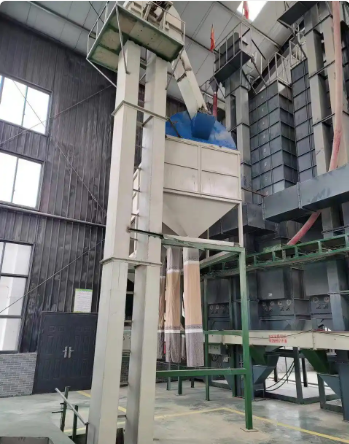
A large-scale fully automatic rice processing production line typically consists of the following equipment:
Cleaning equipment: including stone removal, dust removal, and iron removal equipment, its price is approximately 200,000-300,000 RMB.
Hulling equipment: including peeling machines, pellet mills, crushers, etc., its price is approximately 300,000-400,000 RMB.
Rice milling equipment: This includes rice milling machines, water-to-rice ratio meters, and ingredient dispensers, with a price of approximately 500,000-600,000 RMB.
Rice polishing equipment: This includes vertical rice polishing machines, horizontal rice polishing machines, and other types of rice polishing equipment, with a price of approximately 600,000-800,000 RMB.
Auxiliary equipment: This includes conveyors, weighing and packaging machines, palletizers, compressors, and fans, with a price of approximately 200,000-300,000 RMB.
Therefore, the total price of a complete large-scale rice polishing production line is approximately 2.2-2.6 million RMB.
When purchasing a large-scale rice polishing production line, it is necessary to pay attention to factors such as equipment quality, capacity, stability, and maintenance costs. It is advisable to consult multiple suppliers for quotations, compare prices and quality, and choose the equipment that best suits your needs. During use, it is also essential to pay attention to daily maintenance, including timely cleaning, lubrication, and replacement of wearing parts to ensure normal operation and extend the service life of the equipment.
Post time: Feb-21-2026