

How should equipment be configured for a small-scale palm oil processing plant in Africa? The decision should be based on three local factors: power supply, fresh fruit bunch (FFB) availability, and operational/maintenance capacity.
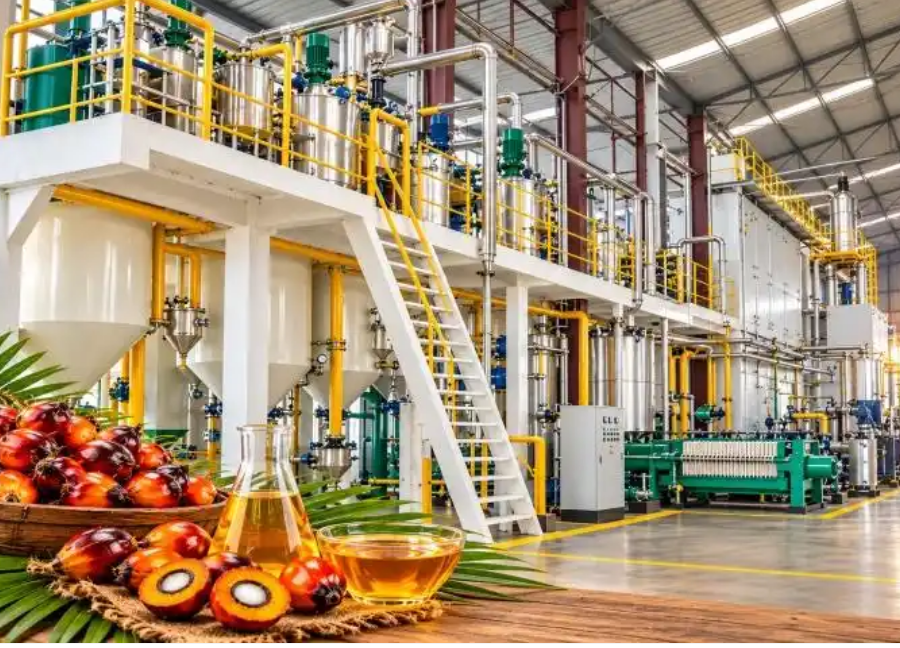
While Africa possesses abundant palm fruit resources, the region often faces challenges such as unstable power grids, long lead times for spare parts, and a scarcity of skilled operators. Equipment selection cannot be based solely on production capacity or unit price; it must align with raw material supply, power infrastructure, budget, and local maintenance capabilities. Failure to do so can lead to frequent downtime, maintenance difficulties, and oil yields or quality that fall short of expectations.
I. Equipment Configuration for the Palm Fruit Pressing Section
Fresh palm fruit bunches (FFBs) are highly perishable. They must undergo sterilization (steaming) as soon as possible after harvesting to inhibit lipase activity and prevent a rapid rise in the acid value of the crude oil. The pressing section is designed to handle the entire process: FFB pretreatment, oil extraction, and the removal of impurities/clarification.
Upon arrival, the FFBs are fed into a sterilizer (steaming/sterilization tank), where high-temperature steam is applied. This critical first step ensures the baseline quality of the crude oil. After sterilization, the bunches are moved to a thresher, which detaches the individual palm fruits from the stalks; the empty fruit bunches (EFBs) are separated and discharged for potential downstream utilization. The detached fruits are then sent to a digester to be thoroughly crushed, followed by a screw press, which extracts the crude oil. The resulting oil slurry—containing fruit fiber, moisture, and residue—undergoes a multi-stage separation process using vibrating screens, settling/clarification tanks, plate-and-frame filter presses, and centrifuges. This progressively removes coarse fibers and solid impurities, yielding crude palm oil, which is then stored in a temporary crude oil tank.
The pressing section also requires supporting infrastructure, including screw conveyors, bucket elevators, steam boilers, and a circulating water supply system. Given the power supply limitations in many parts of Africa, the production line should be designed with provisions for a backup generator and voltage stabilization equipment. This helps mitigate raw material losses in the sterilization and pressing stages caused by unexpected power outages. The entire pressing unit features a streamlined structure with highly standardized wear parts, facilitating the advance stocking of spare components and minimizing wait times for replacements shipped from afar.
II. Equipment Configuration for the Palm Oil Refining Section
Crude palm oil (CPO) obtained from the pressing process contains gums, free fatty acids, pigments, and odorous substances; it cannot be sold directly as edible oil and requires purification through a refining process. For small-scale palm oil projects in Africa, a batch refining process is the preferred choice. It offers a lower investment threshold and greater flexibility for individual production batches—well-suited for scenarios where raw material supply is unstable or operations are intermittent.
The core equipment for the refining section includes degumming and deacidification reaction tanks, bleaching tanks, leaf filters, and vacuum deodorization tanks. These are supported by vacuum systems, thermal oil heating systems, cooling systems, and storage tanks for the finished oil. Crude oil first enters the reaction tanks for degumming and deacidification to reduce the acid value. It then moves to the bleaching tanks, where bleaching earth is used to adsorb pigments and trace impurities, which are subsequently removed by the leaf filters. Finally, the oil enters the deodorization tanks, where odors and volatile impurities are stripped away under high-vacuum, high-temperature conditions, resulting in RBD (Refined, Bleached, and Deodorized) palm oil that meets commercial standards.
To expand market reach, the basic refining setup can be supplemented with palm oil fractionation equipment, which separates the oil into liquid palm olein and solid palm stearin. All tanks and pipelines that come into contact with the oil are constructed from 304 stainless steel to resist corrosion in humid tropical environments and prevent secondary contamination of the product.
III. Selection and Configuration Strategy for Small-Scale Palm Oil Mills in Africa
When configuring equipment, one should not focus solely on production capacity. The primary considerations must be the available raw material supply, power supply conditions, budget, and local operational and maintenance capabilities. Many investors fall into the trap of focusing solely on the unit price of equipment, while overlooking the critical support systems required for successful implementation in overseas markets. For instance, blindly investing in highly automated, continuous production lines can be problematic: if the local power supply is unstable or the supply of fresh fruit bunches (FFB) is inconsistent, the equipment will frequently sit idle or operate at low capacity. This leads to ongoing depreciation costs and fixed energy consumption, significantly driving up the processing cost per ton of oil. Furthermore, if the equipment relies on specialized, hard-to-source parts, a breakdown could result in prolonged downtime—causing the perishable fresh fruit to spoil and go to waste.
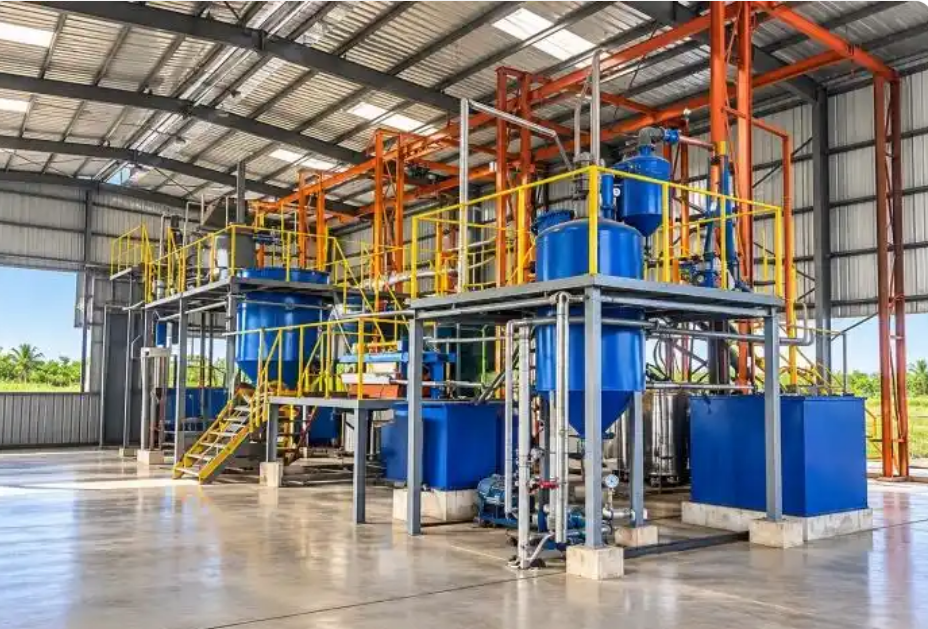
Drawing on our experience with palm oil projects in countries like Nigeria and Ghana, FOTMA MILL recommends that clients—particularly those launching new ventures, facing volatile FFB harvest volumes, dealing with unreliable power grids, or lacking a pool of highly skilled operators—prioritize a setup featuring batch (intermittent) refining combined with proven screw-press units. This type of production line is easy to operate, offers the flexibility to start and stop by batch, and simplifies troubleshooting and maintenance; it does not require continuous, full-load operation. As raw material supplies stabilize, power infrastructure improves, and order volumes grow, the system can be upgraded to a semi-continuous process to increase capacity.
Regarding delivery and support, we provide English-language operation manuals, maintenance schematics, and comprehensive kits of wear-and-tear spare parts. We also handle container loading plans and prepare all necessary documentation for export and customs clearance to prevent delays upon arrival. Additionally, considering the hot and rainy climates typical of these regions, we assist clients in designing their facilities to ensure proper weatherproofing, ventilation, and sun protection. We also advise on the separate zoning of boilers and electrical distribution areas to ensure long-term, safe production.
FAQ
Q: Must the pressing section and the refining section be purchased and commissioned at the same time?
A: No, you can invest in phases. In the initial stage, you can install only the pressing equipment to produce and sell crude palm oil. Once you have recouped some capital, you can then add the refining section to produce finished oil, thereby easing your initial financial burden.
Q: For a small-scale palm oil mill in Africa, should I choose batch refining or continuous refining?
A: For small-scale projects, batch refining is the better choice. Continuous refining is best suited for large-capacity operations with a stable supply of raw materials that can run at full load year-round; for smaller operations, running a continuous system at low capacity is highly inefficient and uneconomical. Q: What is the optimal timeframe for processing palm fruit after harvesting?
A: Fresh palm fruit is highly biologically active. It is recommended to complete the sterilization (enzyme inactivation) and pressing processes within 48 hours of harvest. If left for too long, the acid value of the oil will rise rapidly, leading to higher processing losses and making it difficult to maintain the quality of the final product.
The pressing process is as follows: Upon arrival, fresh fruit bunches are fed into a sterilization tank (steaming/sterilization vessel), where high-temperature steam inactivates enzymes—specifically lipase—to prevent a rapid increase in the acid value of the crude oil. After sterilization, a thresher separates the individual fruitlets from the bunches, with the empty fruit bunches (EFB) being discharged. The fruitlets are then fed into a digester to be thoroughly crushed before entering a screw press to extract the oil. The resulting oil slurry passes through a vibrating screen, a settling/clarification tank, a plate-and-frame filter press, and a centrifuge to remove coarse fibers and solid impurities, yielding crude palm oil, which is then stored in a crude oil tank. The system includes auxiliary equipment such as screw conveyors, bucket elevators, a steam boiler, and a circulating water supply system; the production line also features a dedicated interface for a generator and is equipped with voltage stabilization/protection devices.
In the refining section, crude palm oil first undergoes degumming and deacidification in a reaction tank to reduce its acid value. It then enters a bleaching tank, where bleaching earth (clay) is used to adsorb pigments and trace impurities, after which the spent bleaching earth is removed via a filter. Finally, the oil enters a vacuum deodorization tank, where high-vacuum, high-temperature conditions remove odors and volatile impurities, resulting in RBD (Refined, Bleached, and Deodorized) palm oil. To expand market reach, fractionation equipment can be added to separate the oil into liquid palm olein and solid palm stearin. All tanks and piping are constructed from 304 stainless steel. For project implementation, it is advisable to consult with an equipment manufacturer that has experience delivering projects in Africa, specifically regarding the supply of spare parts and support for export customs clearance.
Post time: Nov-02-2026