

Generally speaking, when complete rice processing equipment is installed for the first time, experienced workers can simply follow the instruction manual. However, numerous details must be carefully observed during the installation process. If these details are not properly managed—whether due to incorrect parameter settings or an unstable center of gravity—it will not only compromise the milling efficiency but may also cause damage to the grinding rollers. At best, this will merely accelerate wear and negatively impact processing results; at worst, it could pose a safety risk to both the equipment and personnel. Therefore, during the initial installation of complete rice processing equipment, in addition to prioritizing safety, attention must be paid to the following aspects:
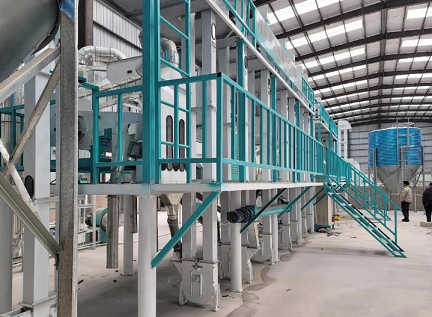
I: Post-Installation Calibration and Inspection:
Manual installation inevitably results in slight deviations from the actual required parameters. We cannot rely solely on visual inspection or experience to configure the equipment’s settings; instead, we must utilize professional measuring instruments to verify and calibrate the installation. This ensures that the installation is both standardized and accurate. Only after the complete rice processing equipment has been correctly installed and calibrated can the subsequent trial run phase begin.
II: Run-in Process for Complete Rice Processing Equipment:
Due to the inherent limitations of the stone carving process used in the grinding components, the stone mills within the complete rice processing equipment require a “run-in” period during their initial usage. Once the installation is confirmed to be complete, a small quantity of raw material can be placed in the grain hopper to test whether the installation meets the required standards and to observe the actual milling performance. The trial run is the critical stage for identifying any issues with the equipment’s installation. The quality of the installation directly impacts both the operational lifespan of the stone milling machinery and the quality of the processed flour; therefore, during the trial run, conditions should be simulated as closely as possible to the actual production environment, and it is essential to maintain detailed records of the equipment’s operating parameters.
Causes of Noise in Complete Rice Processing Equipment
Noise occurring during the operation of complete rice processing equipment can stem from a variety of sources. The following are some common causes:
1. Equipment Wear: Prolonged use or improper maintenance can lead to the wear and tear of various components—such as bearings, belts, and gears. Friction generated by these worn parts during operation is a common source of noise.
2. Imbalance or Misalignment: If rotating components (such as rotors or flywheels) are unbalanced or misaligned, they will induce vibrations and generate noise while the equipment is in operation. 3. Inadequate Soundproofing Measures: The design and installation of the equipment failed to account for noise isolation and sound absorption, resulting in noise that cannot be effectively contained or dampened.
4. Material Flow and Impact: During the feeding, conveying, and processing of materials, issues such as irregular flow, blockages, or impacts between the materials and the equipment components can occur, thereby generating noise.
5. Noise from Motors and Transmission Components in Complete Rice Processing Systems: The motors and transmission components (such as speed reducers, belt drives, etc.) inherently generate noise during operation; if this noise is transmitted through the equipment’s structural framework, it can lead to an overall increase in the noise level of the entire system.
FOTMA MILL stands out among numerous manufacturers primarily because its equipment features advanced rice milling technology and highly efficient production capabilities. From structural design to manufacturing processes, FOTMA exercises rigorous control over every detail to ensure that the equipment operates with stability and reliability.
Furthermore, we place great emphasis on the intelligence and automation levels of our equipment. By integrating advanced control systems and sensor technologies, FOTMA’s rice milling machines achieve precise milling control and automated operations, thereby significantly boosting production efficiency and product quality.
Naturally, beyond the inherent advantages of our products, FOTMA also prioritizes the quality of customer service. Whether through pre-sales consultation or after-sales support, we provide our clients with timely and professional assistance, ensuring that they experience complete peace of mind throughout the entire equipment usage lifecycle.
In summary, as a manufacturer of complete 80-ton rice milling systems, FOTMA MILL—distinguished by its advanced technology, reliable quality, and exceptional service—is undoubtedly one of the premier choices available on the market today.
Post time: Mar-15-2026