

The installation of a complete rice processing system is a complex process; it typically requires several days of work by skilled technicians to complete the setup. Once installed, the equipment must undergo a series of tests and adjustments—known as commissioning—before it can be officially put into production. So, can the newly installed equipment be powered up and operated immediately?
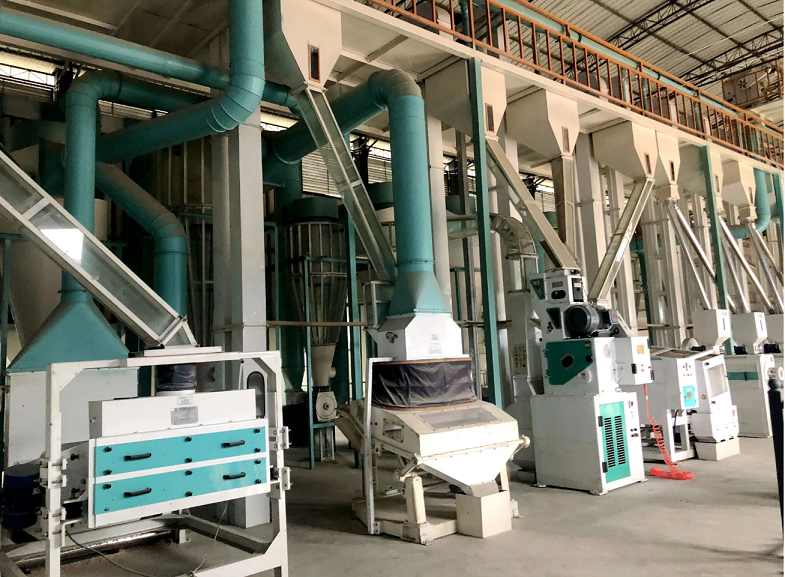
The answer is no. After installation, the adjustment process begins with the grinding rollers, which are critical components of the system. The gap between the two grinding rollers is a key factor determining the quality of the processed rice, so this spacing must be set correctly. Next, the eccentric sleeve located near the spherical screw must be adjusted; the four corners of the flat plate need to be leveled, and the eccentric sleeve secured at the specific angle required for production. Subsequently, a thickness gauge is inserted between the rollers to fine-tune the gap to the optimal setting.
Rice milling operations should only commence after all components have been properly adjusted; this ensures high-quality rice output. However, one must not become complacent after installation. Close attention is required during operation; if unusual noises or abnormal overheating occur, the machine must be stopped immediately for inspection, adjustment, or repair.
Post time: Aug-21-2026