

1. Introduction
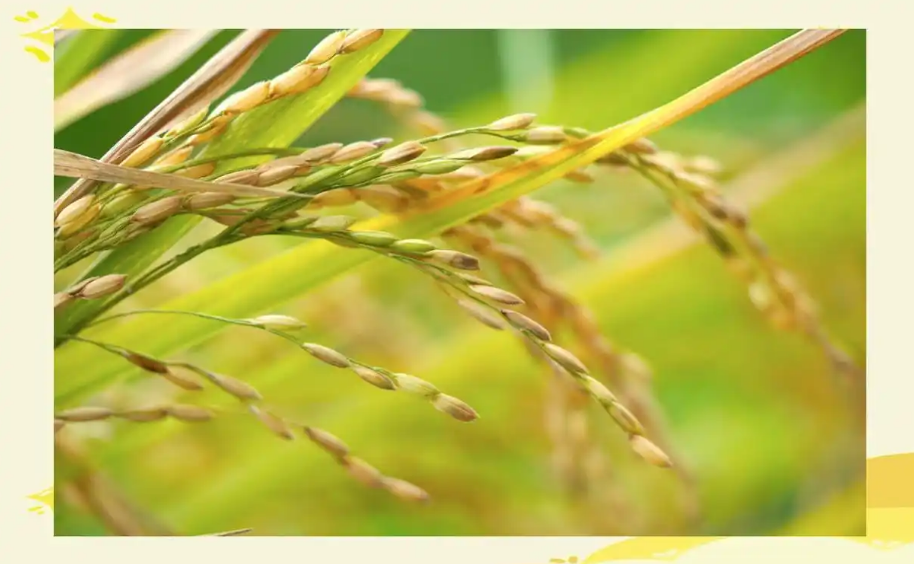
Rice, a staple on our tables, with its translucent appearance and rich nutrition, has become an indispensable part of people’s lives. The creation of each grain of rice embodies the hard work and sweat of farmers, and also witnesses the continuous innovation and wisdom of processing technology in the process of agricultural modernization.
2. Eight Main Steps in Rice Processing
◆ Cleaning
Have you ever wondered how the heavy paddy rice in the field transforms step by step into the fragrant cooked rice on your table? Let’s explore this amazing transformation process together.
Freshly harvested paddy rice often contains various impurities, such as stones, soil, weeds, and even metal fragments. These impurities not only damage the quality of the rice but also endanger the operation of processing equipment. Therefore, cleaning the paddy rice is an indispensable initial step.
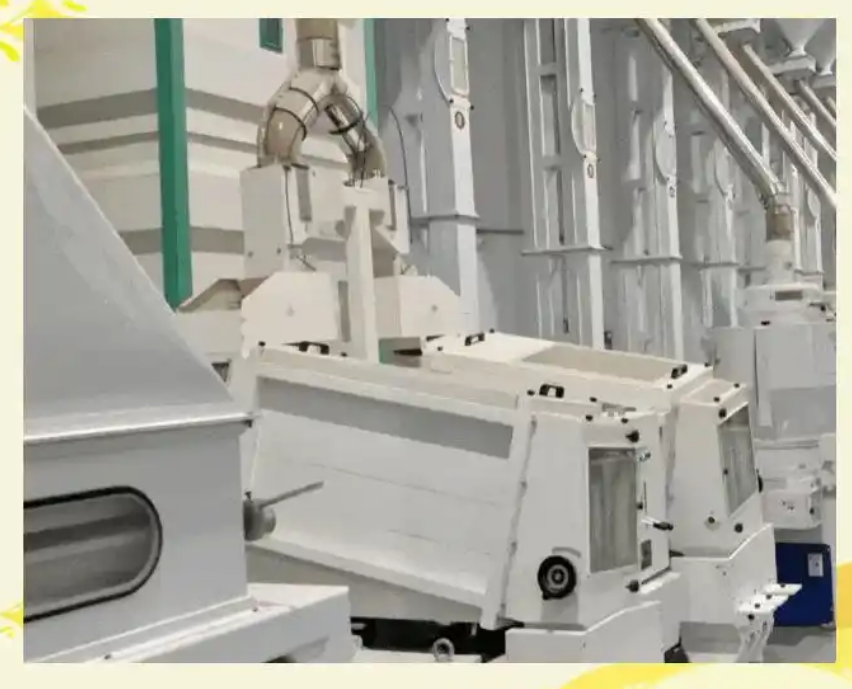
In a modern processing workshop, various equipment such as vibrating screens, gravity destoners, and magnetic separators are put into use. A vibrating screen acts like a meticulous “gatekeeper,” precisely filtering out impurities of varying sizes through screens of different dimensions. A gravity destoner cleverly separates heavier impurities like pebbles by utilizing the difference in density between rice and stones. A magnetic separator, like a giant “magnet,” easily attracts metallic impurities from the rice, ensuring its purity.
After initial cleaning, the next step is hulling, which removes the hard husk to obtain brown rice. The hulling machine plays a crucial role in this process, with roller hullers and disc hullers being two common types. Roller hullers apply appropriate pressure and tearing force to the rice using opposing rotating rollers, facilitating the removal of the husk. Disc hullers, on the other hand, function like a rotating “millstone,” using the relative rotation of upper and lower discs to thoroughly rub and compress the rice, completing the hulling process.
◆ Paddy Rice Separation
The mixture produced during the hulling process, containing brown rice and unhulled paddy, needs to be processed through a paddy rice separation stage. The paddy rice separator and gravity paddy rice separator are key equipment in this stage. The paddy rice separator uses the differences in particle size and shape between brown rice and paddy for fine sorting; while the gravity paddy rice separator uses the difference in specific gravity, employing vibration and airflow to achieve efficient separation.
◆ Rice Milling
Although brown rice is rich in nutrients, its taste and digestibility are not ideal, so it needs to undergo a milling process to remove its outer husk and transform it into white rice. In this process, the sand roller rice milling machine and the iron roller rice milling machine play a crucial role. The sand roller rice milling machine uses sharp abrasive grains on its rollers, like miniature files, to finely rub and grind the brown rice during rotation, gradually removing the husk; while the iron roller rice milling machine uses its spiral ribs and air jet equipment to finely whiten and polish the brown rice, facilitating its elegant transformation.
◆ Rice Grading
Milled rice exhibits variations in size, shape, and quality. To better meet the needs of diverse consumers, fine grading is essential. In this stage, rice grading sieves and photoelectric color sorters play crucial roles. The grading sieve performs initial sorting based on grain size; while the photoelectric color sorter acts like a discerning quality inspector, using high-precision optical sensors and air jet devices to accurately identify and remove discolored particles and impurities, thereby further improving the overall quality of the rice.
To enhance the appearance and commercial value of rice, polishing is an indispensable step. Fluidized bed polishers and air-jet polishers are the core equipment here. Polishing makes the rice surface smooth and delicate, giving it an attractive sheen. Fluidized bed polishing machines use high-speed airflow to suspend rice grains on a fluidized bed, then polish them meticulously with polishing wheels. Air-jet polishing machines, on the other hand, spray high-pressure air onto the rice surface during polishing, effectively removing bran and impurities, further enhancing the overall appearance of the rice.
After multiple screening processes, color sorting is crucial to ensure the purity and quality of the rice. Here, photoelectric color sorters once again play a vital role, meticulously inspecting each grain of rice and strictly removing discolored, diseased, and impurity grains, thus ensuring high purity and superior quality.
◆ Packaging
After rigorous processing, the rice is ready to embark on its journey to the market. In this stage, automatic weighing and packaging machines work in perfect harmony with sewing machines. The former precisely controls the weight of the rice, while the latter quickly seals it, creating safe and airtight packaging to help the rice successfully reach the market and ultimately become a delicious dish on our tables.
3. Process Summary and Reflection
Through the meticulous transformation from paddy rice to finished rice, we are able to enjoy this delicious dish. This process not only embodies the hard work of numerous scientists and engineers but also reflects the remarkable achievements brought about by agricultural modernization. When enjoying every bowl of rice, we should always remember how hard-won this delicious food is and cherish this crystallization of labor and wisdom.
Post time: Nov-25-2025