

Configuration Recommendations
Selecting the right configuration is crucial when purchasing a complete 50-ton rice milling production line. First, consider the model and power of the rice milling machine; a daily processing capacity of 50 tons requires a high-efficiency unit—typically one rated for 50–60 tons—to ensure optimal productivity and equipment longevity. Second, auxiliary cleaning equipment (such as pre-cleaning screens and vibrating screens) is vital; these machines effectively remove impurities from the paddy, thereby enhancing the quality of the finished rice. Additionally, a robust cooling system is necessary to regulate temperatures during milling and prevent quality degradation caused by overheating. Finally, an automated control system should not be overlooked, as it significantly improves operational convenience and production stability.
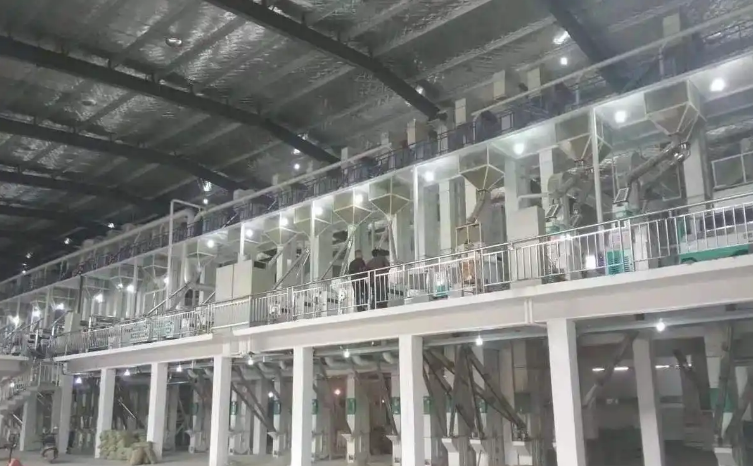
How to Choose the Right Production Capacity
For individuals new to the rice milling industry, selecting the appropriate production capacity is a critical decision. First, assess your available resources, including startup capital, facility space, and workforce. If capital is limited and there are no plans for large-scale operations, a production line with a daily capacity of around 30 tons may be more suitable; this scale meets daily production needs without resulting in resource waste. Second, analyzing market demand is essential; conduct research on the local market to understand the purchasing power and habits of your target consumers. If the target market is small or competition is fierce, it is advisable to start small and gradually scale up production. Furthermore, consider future growth potential by allowing room for expansion, enabling you to adjust capacity later based on actual operational conditions.
Preliminary Preparation
Thorough preliminary preparation is essential before deciding to invest in a 50-ton rice milling production line. First, site selection is critical. An ideal location offers convenient transportation for raw material delivery and product distribution while also addressing environmental concerns—such as avoiding noise and dust pollution in the surrounding area. Second, obtaining the necessary permits and licenses is a prerequisite for legal operation; this includes, but is not limited to, business license applications, environmental impact assessments, and workplace safety permits. Additionally, coordinating with local government authorities is necessary to ensure the project proceeds smoothly. Finally, personnel training is another factor that should not be overlooked. Both operators and management personnel require professional training to master correct operational procedures and technical knowledge, thereby ensuring production safety and product quality. Finally, formulating a detailed operational plan—covering aspects such as raw material procurement, production scheduling, and sales strategies—lays a solid foundation for the project’s successful implementation.
Industry Outlook and Profitability
As public interest in healthy eating grows, high-quality rice is increasingly favored by the market, presenting the rice milling industry with unprecedented development opportunities. On one hand, rising consumer demand for eco-friendly, uncontaminated food is driving the market for premium products like organic rice; on the other, technological advancements have introduced more efficient and energy-saving production equipment, thereby reducing costs and boosting productivity. Regarding profitability, while initial investment costs are substantial, the combination of stable market demand and high product value-added offers significant long-term profit potential. This competitive advantage is particularly pronounced for enterprises that possess high-quality paddy fields or are located in major grain-producing regions. However, it is important to note that market competition is intensifying; to stand out in this fierce landscape, enterprises must not only prioritize product quality but also innovate continuously—developing new products that meet market needs and enhancing brand influence.
In summary, although entering the rice milling industry entails significant upfront investment and specific technical requirements, thorough preparation, strategic planning, and close alignment with market trends can pave the way for stable and substantial returns.
Post time: Jul-29-2026