

Recommended Configuration of 30TPD Rice Mill Plant
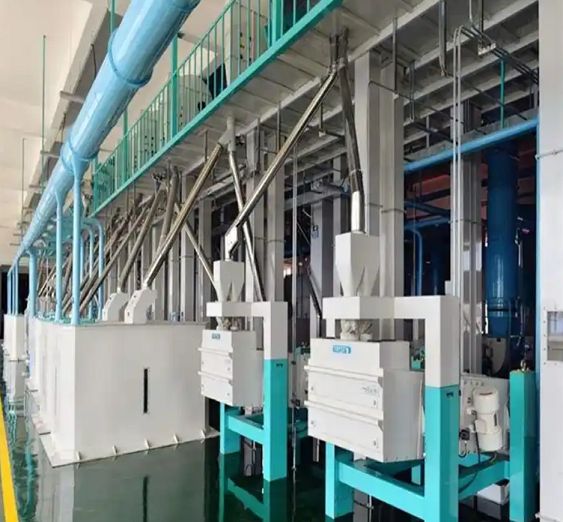
When planning a 30-ton rice processing production line, the first thing to clarify is the selection and configuration of the equipment. A complete 30-ton rice processing production line typically includes key equipment such as cleaning equipment, hulling machines, rice milling machines, polishing machines, and color sorters. In addition, it also needs to be equipped with conveying devices, metering devices, dust removal devices, and packaging equipment. The cleaning equipment removes impurities from the paddy; the hulling machine separates the paddy husk from the brown rice; the rice milling machine further removes the bran layer from the brown rice; and the polishing machine and color sorter respectively perform surface treatment and color screening of the rice to ensure the quality of the finished product. To achieve efficient, stable, and environmentally friendly production goals, it is recommended to choose equipment with a high degree of automation, low energy consumption, and easy maintenance, and ensure that all equipment can be seamlessly connected to form an efficient and automated production line.
How Ordinary People Should Choose the Capacity Size
For ordinary investors who are new to the rice processing industry, choosing the appropriate capacity size is crucial. First, a preliminary assessment should be conducted based on their own financial strength and market demand. Generally, a daily processing capacity of 30 tons is suitable for medium-sized processing plants, capable of meeting large-scale market demand, but also implying higher initial investment and operating costs. Secondly, geographical location and surrounding environmental factors must be considered. If the region has abundant rice resources and strong market demand, a larger production capacity can be chosen. Conversely, if local rice supply is limited or market competition is intense, it may be necessary to reduce the production capacity to avoid impacting economic benefits due to overproduction. Furthermore, policy guidance and environmental protection requirements must be considered. The government is continuously raising environmental standards for grain processing enterprises; excessively high production capacity may increase environmental pressures such as wastewater treatment and exhaust emissions, thereby increasing additional costs. Therefore, when determining the production capacity, all the above factors need to be comprehensively considered to ensure that market demand is met while controlling costs and achieving sustainable development.
Preliminary Preparations
Before officially launching a 30-ton rice processing production line, sufficient preliminary preparations are essential. First, land approval and factory construction must be completed to ensure sufficient space for production equipment and compliance with local building codes and safety standards. Secondly, detailed market research is essential to understand the specific needs of the target market, such as consumer preferences for rice varieties, packaging specifications, and price ranges, in order to develop appropriate marketing strategies. Furthermore, it’s crucial to cultivate a technical team, ensuring sufficient professional technical personnel to operate and maintain equipment through internal training or external recruitment, guaranteeing smooth production.
Simultaneously, considering the importance of food safety, a quality management system must be planned in advance, including raw material procurement, production process monitoring, and product testing, ensuring that the final rice meets national hygiene standards. Finally, adequate funding is indispensable. Besides equipment purchase costs, a portion of working capital needs to be reserved for daily operations, raw material procurement, and potential emergencies.
Industry Prospects and Profits
In recent years, with the improvement of people’s living standards and increased health awareness, the demand for high-quality rice has been growing, bringing broad market prospects to the rice processing industry. Especially some high-end rice brands with regional characteristics, with their unique taste and nutritional value, are highly favored in the market, and their profit margins are relatively large. However, to stand out in a highly competitive market environment, companies not only need to focus on product quality but also continuously innovate marketing models and enhance brand image. For example, e-commerce platforms can be used to expand sales channels and conduct online-offline integrated marketing activities to increase brand exposure. Furthermore, establishing proprietary brands and strengthening cooperation with farmers to directly control rice quality from the source can effectively reduce costs and increase profit margins. Of course, while the industry outlook is promising, it also faces numerous challenges. For instance, fluctuations in raw material prices, rising labor costs, and increasingly stringent environmental regulations can all put pressure on businesses. Therefore, while enjoying the benefits of industry development, companies need to continuously improve their core competitiveness and actively address various risks to achieve long-term, stable development.
With the continued growth of the global population, the demand for high-quality food is also constantly rising. As one of the world’s most important food crops, rice processing has shown strong growth momentum. Especially in Asia, due to dietary habits and cultural traditions, rice consumption has remained high, providing huge development opportunities for related enterprises. At the same time, technological advancements have also brought new opportunities to the rice processing industry. For example, the application of intelligent automated equipment has significantly improved production efficiency, reduced the uncertainty of manual operation, and lowered production costs. Furthermore, the growing awareness of environmental protection has prompted more and more companies to adopt green production processes, which not only increases the added value of products but also enhances consumer confidence. In the future, with continuous technological advancements and the improvement of socio-economic levels, the rice processing industry will usher in a brighter future, while also facing more challenges.
Post time: Feb-24-2026