

“The price of a 30-ton rice processing production line varies significantly (from 400,000 to 1.5 million yuan). The key lies in the process configuration, automation level, and brand service. Basic models meet primary processing needs, while high-end configurations require intelligent color sorting and polishing technologies. In the long run, the investment in intelligent systems can quickly recoup its costs.”
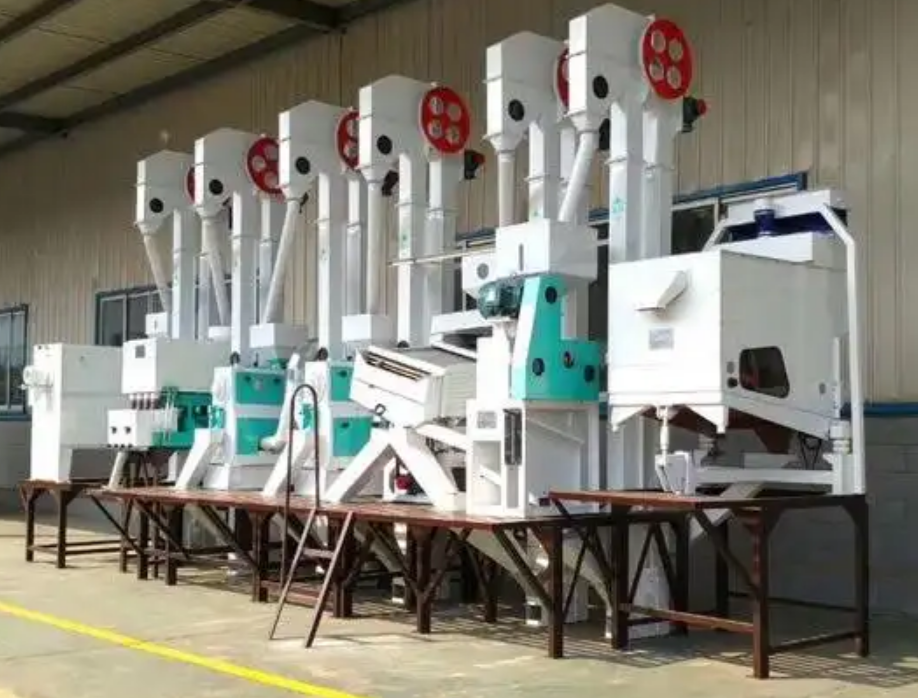
In the wave of modern agricultural mechanization, upgrading rice processing equipment has become a crucial link in improving the efficiency of the grain industry. For many small and medium-sized rice mills or agricultural cooperatives planning expansion, a 30-ton-per-day rice processing production line is often a highly cost-effective “golden scale.” It avoids the high initial investment and complex operation and maintenance of large factories, while overcoming the drawbacks of low efficiency and unstable product quality of small single machines. However, when decision-makers turn their attention to the market to understand the “price of a 30-ton rice processing production line,” they often find it to be a complex proposition without a standard answer. Prices range from hundreds of thousands to millions of yuan, and the differences behind them are not only reflected in the numbers but also profoundly reflect the huge differences in technological approaches, configuration levels, and brand value.
First, it’s important to clarify that the so-called “30-ton production line” is not a single piece of equipment, but a system engineering project consisting of more than ten processes, including cleaning, destoning, hulling, hulling separation, rice milling, polishing, grading, color sorting, and packaging. Therefore, the primary variable in its price is the completeness and sophistication of the process configuration. If only basic hulling and whitening functions are pursued, using traditional iron roller rice milling machines and simple gravity screens, the cost of the entire set of equipment might be controlled between 400,000 and 600,000 RMB. This type of configuration is suitable for primary processing plants that don’t have high requirements for the appearance of the rice and mainly supply the local bulk market. However, if the goal is to produce high-precision, pre-washed rice that meets supermarket sales standards, or even to create a high-end brand of rice, then the configuration must be upgraded. For example, introducing multi-machine light milling processes, sand-iron combined milling chambers, double or multi-unit polishing machines, and especially high-precision CCD color sorters—the addition of these core components will significantly increase costs. A single high-performance domestic color sorter can cost over 100,000 yuan, while imported brands are even more expensive, easily pushing the price of an entire production line above 800,000 yuan and even reaching 1.2 million yuan.
Secondly, the level of automation control is the second most significant factor determining price. Traditional 30-ton production lines may rely on frequent manual adjustments of flow rate and monitoring of rice quality, resulting in high labor intensity and poor stability. Modern production lines, on the other hand, are equipped with a PLC central control system and variable frequency speed control technology, enabling one-button start/stop, automatic fault alarms, and automatic flow balancing across processes. This intelligent transformation not only reduces labor costs but, more importantly, ensures stable output and minimizes broken rice. For investors focused on long-term operating costs, although the initial investment in a production line with a complete electronic control system may be 20%-30% higher than a manual version, the resulting energy savings and increased rice yield typically recoup the price difference within a year. Furthermore, the steel structure platform of the factory building, the material of the conveyor and lifting equipment (such as the difference between food-grade stainless steel and ordinary carbon steel), and the completeness of the dust collection network all subtly influence the final price.
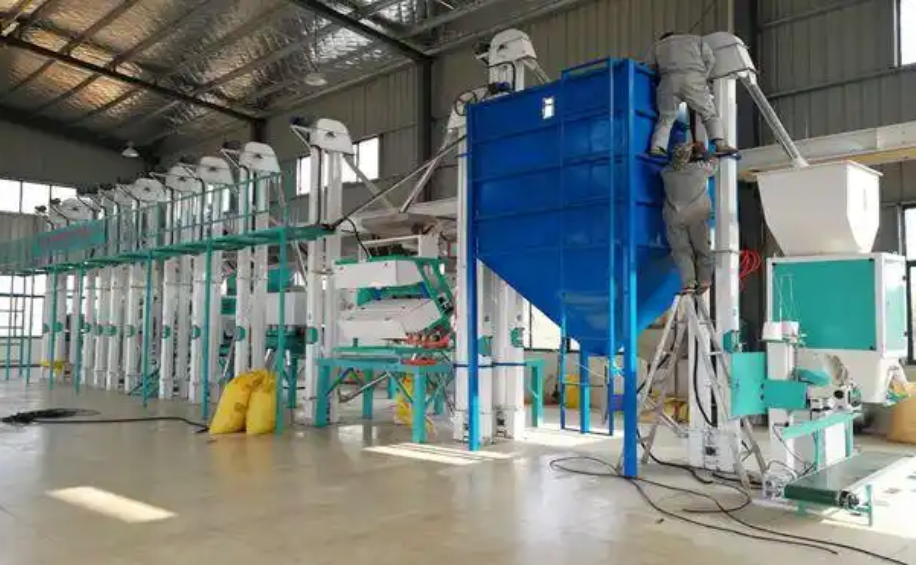
Brand and after-sales service are also significant hidden costs in price differences. Well-known domestic agricultural machinery manufacturers, such as established companies in Hubei and Jiangsu provinces, typically command higher prices than small assembly workshops due to their mature manufacturing processes, rigorous quality control systems, and comprehensive after-sales networks. Choosing a major brand means purchasing equipment with a longer lifespan, lower failure rates, and the guarantee of rapid technical support in case of emergency shutdowns. In the rice processing industry, a day’s downtime results not only in lost electricity and labor costs but also the potential risk of order defaults; therefore, this premium is often considered a necessary form of insurance.
In conclusion, inquiring about the price of a 30-ton rice processing production line is essentially asking what kind of processing capacity the investor wants to build. If the budget is limited and only basic processing needs are required, a basic production line costing around 500,000 yuan can be started. However, if the goal is to build a modern, branded premium rice industry, a budget of 800,000 to 1.5 million yuan is needed to cover advanced color sorting, polishing, and intelligent control systems. Before making a final decision, investors are advised not only to compare unit prices on the equipment list, but also to conduct on-site inspections of the manufacturer’s operational case studies and calculate the return on investment over the entire lifecycle. After all, in the low-profit era of the grain processing industry, a cost-effective and stable production line is the cornerstone of a company’s long-term profitability.
Post time: Mar-05-2026