

In the current agricultural mechanization and food processing industries, fully automatic corn flour processing production lines are highly favored due to their high efficiency and energy saving. To help users better select equipment that suits their needs, this article will provide a detailed analysis from aspects such as configuration recommendations, capacity selection, preliminary preparation, and industry prospects and profits.
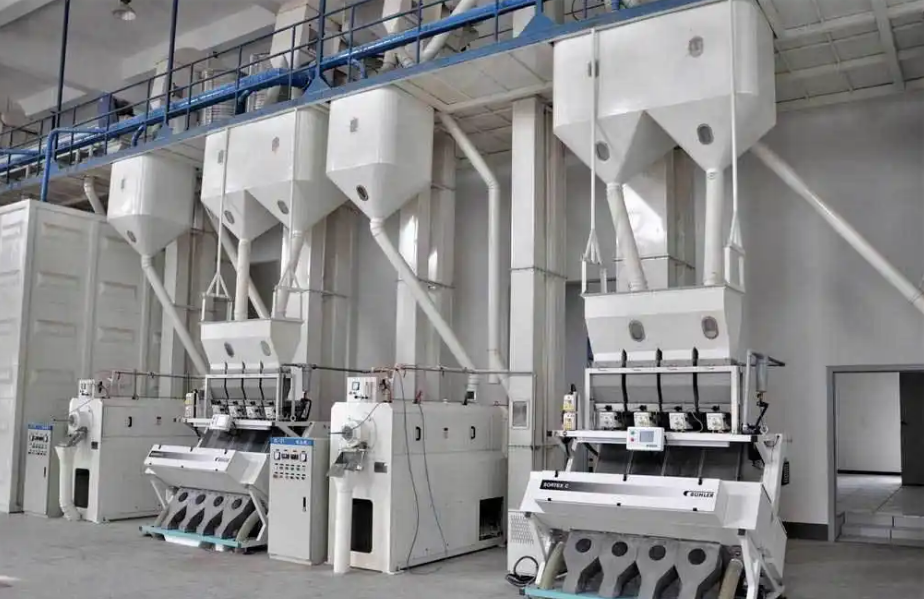
Configuration Recommendations:
A fully automatic corn flour processing production line typically includes multiple stages such as a cleaning machine, peeling machine, milling mill, grading screen, and packaging machine. Each stage of the equipment has its specific functions and performance parameters. For example, the cleaning machine removes impurities from the corn; the peeling machine removes the outer skin from the corn kernels; the milling mill grinds the processed corn kernels into powder; the grading screen screens and grades the finished product; and finally, the packaging machine seals and packages the finished product. Depending on the actual production needs, a single machine or a complete production line can be selected. In terms of configuration, it is recommended to prioritize the equipment’s durability, degree of automation, and after-sales service to ensure stable operation over a long period and timely resolution of any technical problems.
How Ordinary Users Should Choose Production Capacity
For ordinary users investing in corn flour processing equipment for the first time, choosing the appropriate production capacity is crucial. First, it’s essential to understand that the production line’s capacity should match their market demand. If the target market is small or funds are limited, a small production line with a daily processing capacity of 1-5 tons can be chosen; if the target market is large and there are expansion plans, a medium-to-large production line with a daily processing capacity of 5-20 tons or even larger can be considered. Furthermore, the flexibility of the equipment must be considered, i.e., whether the production scale can be flexibly adjusted according to changes in market demand. Generally speaking, small production lines are more flexible, but medium-to-large production lines can bring higher economic benefits; therefore, a comprehensive consideration of cost-effectiveness is necessary when making a choice.
Preliminary Preparation
Before purchasing equipment, thorough preliminary preparation is essential. First, investigate local corn resources to understand the raw material supply and ensure sufficient raw materials to support production. Second, investigate local market demand, analyze competitors, and develop a reasonable marketing strategy. Third, gain a general understanding of the equipment’s price range, which can be achieved through online research and consulting suppliers. Simultaneously, considering subsequent work such as equipment installation and commissioning, and personnel training, it is recommended to communicate with the supplier in advance to understand the relevant service content. Finally, it is also necessary to pay attention to relevant national policies, such as environmental protection policies and food safety standards, to ensure that the purchased equipment complies with relevant regulations.
Industry Prospects and Profits
With the increasing health awareness of consumers, natural and healthy foods are becoming more and more popular, bringing broad market space and development opportunities to the cornmeal processing industry. Market research shows that the compound annual growth rate of the cornmeal processing industry is expected to reach over 8% in the next few years. Behind this high growth rate lies considerable profit potential. However, it is worth noting that industry competition is also gradually intensifying. To stand out in the fierce market competition, in addition to improving product quality, it is also necessary to continuously innovate production processes, reduce production costs, optimize product structure, and expand sales channels. Only in this way can profits be guaranteed while achieving long-term development.
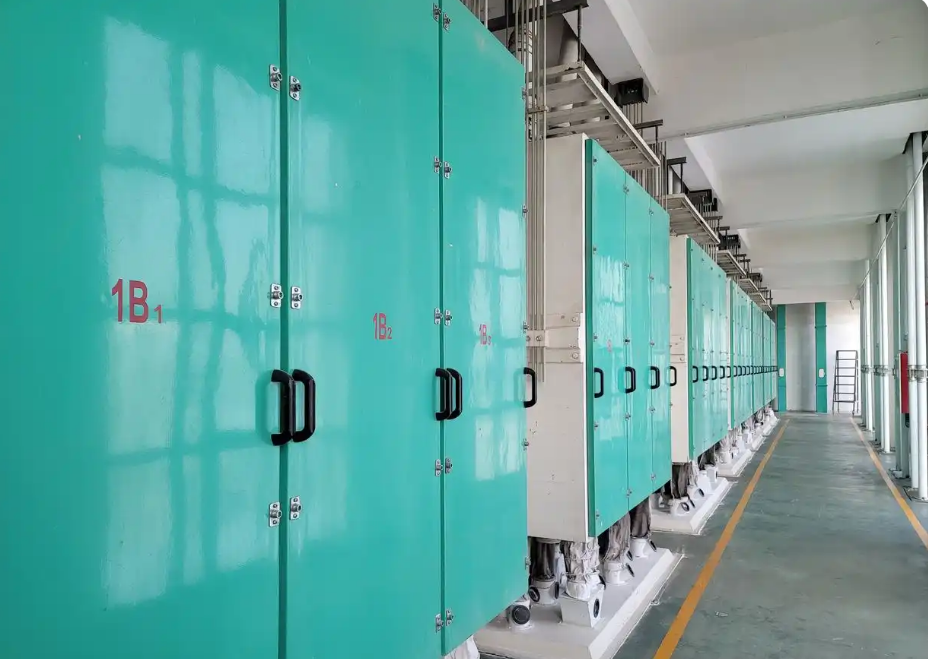
Through the above analysis, it is not difficult to see that fully automatic cornmeal processing equipment production lines not only have good development prospects but can also bring substantial returns to investors. Of course, choosing suitable equipment and rationally planning the production process are equally important. We hope that the information provided in this article can offer valuable reference for users interested in entering this field and help them make informed decisions. For professional guidance and equipment information, please contact FOTMA MILL.
Post time: Feb-04-2026