

Rice, a staple food for billions globally, relies on advanced rice milling machines to transform raw paddy into high-quality, edible rice. From cleaning impurities to sorting defective grains, modern rice milling machines encompass a full range of equipment, each designed for specific processing stages. These machines not only ensure efficiency but also preserve rice quality, meeting the demands of both small-scale mills and large industrial facilities.
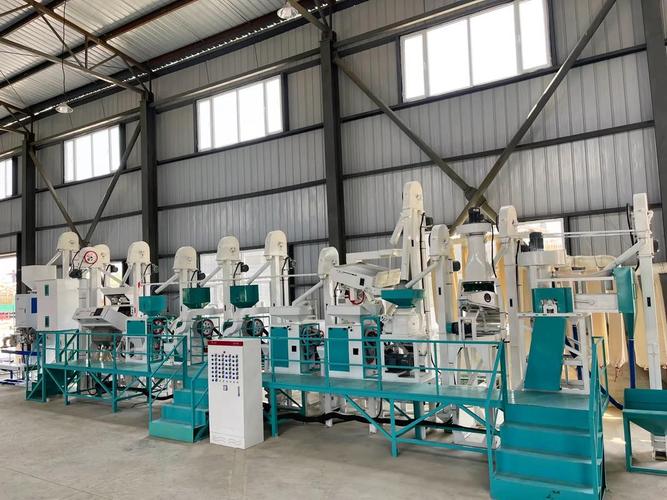
Core Equipment in the Rice Milling Process
1. Pre-Processing Machines
- Paddy Cleaner: The first step in rice processing, paddy cleaners remove large impurities like straw, stones, and small debris from raw paddy. Equipped with vibrating screens and aspirators, they separate light and heavy contaminants efficiently. Many models, such as those from leading manufacturers, can be adapted for silo intake systems, ensuring clean paddy enters the next processing stage.
- Destoner: Utilizing differences in bulk density, destoners separate stones and heavy impurities from paddy. Built with thick steel plates and sturdy frames, they operate without frequent breakdowns, making them essential for preventing damage to subsequent machines and ensuring rice safety.
2. Husking and Separation Machines
- Paddy Husker: This machine removes the outer husk of paddy to produce brown rice. Advanced huskers incorporate rubber rollers or abrasive discs that minimize grain breakage. Modern designs, like those with adjustable pressure settings, handle different rice varieties—long-grain, medium-grain, and short-grain—with equal efficiency.
- Paddy Separator: After husking, a mixture of unhusked paddy and brown rice remains. Paddy separators, often oscillation-type, sort this mixture into three categories: pure paddy (sent back to the husker), a paddy-brown rice mix (reprocessed), and pure brown rice (sent to whitening). Their easy maintenance and high sorting accuracy make them a key part of the process.
3. Whitening, Polishing, and Grading Machines
- Rice Whitener: There are two main types—abrasive whiteners and friction whiteners. Abrasive whiteners use rotating emery stones to remove the bran layer from brown rice, while friction whiteners rely on high-speed friction. Both types adjust to different whiteness levels, ensuring minimal broken grains, a critical factor for rice quality.
- Rice Polisher: After whitening, polishers enhance rice appearance by removing remaining bran particles from the surface. Vertical polishers, in particular, are popular for their versatility—they process all rice varieties and even other cereals like maize. Over decades, they have earned a reputation for consistent performance in global markets.
- Graders:
- Thickness Grader: Separates broken and immature kernels from rice using selectable screen slots. It ensures only uniform, plump grains move forward, improving the final product’s quality.
- Length Grader: Unlike sieves, length graders sort grains by length, removing broken grains that are more than half the length of whole grains. This step is vital for meeting strict market standards for head rice (whole grains).
4. Sorting and Packaging Machines
- Color Sorter: Using high-resolution cameras and LED lighting, color sorters detect off-color grains, foreign materials (like plastic or glass), and defective kernels. They eject rejects with high-velocity air nozzles, ensuring the final rice is pure and visually consistent. This technology is a game-changer for maintaining food safety and brand reputation.
- Packaging Machines: After sorting, packaging machines fill rice into bags of various sizes—from small consumer packs to large industrial sacks. Automated models with weighing systems ensure accurate filling, reducing waste and improving efficiency.
Advantages of Modern Rice Milling Machines
Modern rice milling machines offer multiple benefits. They boost processing efficiency, with industrial-scale machines handling tons of paddy per hour. They also reduce grain breakage, increasing the yield of high-value head rice. Additionally, many machines are energy-efficient, lowering operational costs for mills. For small-scale operators, compact, affordable models make rice processing accessible, supporting local agriculture and food security.
From pre-processing to packaging, rice milling machines form a complete system that bridges the gap between farm and table. As technology advances, these machines will continue to evolve, meeting the growing demand for high-quality rice while promoting sustainability in the food industry.
FOTMA designs and manufactures the most comprehensive range of machines, processes and instrumentation for the rice sector. This equipment encompasses cultivation, harvesting, storage, primary and secondary processing of varieties of rice produced throughout the world.
Post time: Oct-22-2025