

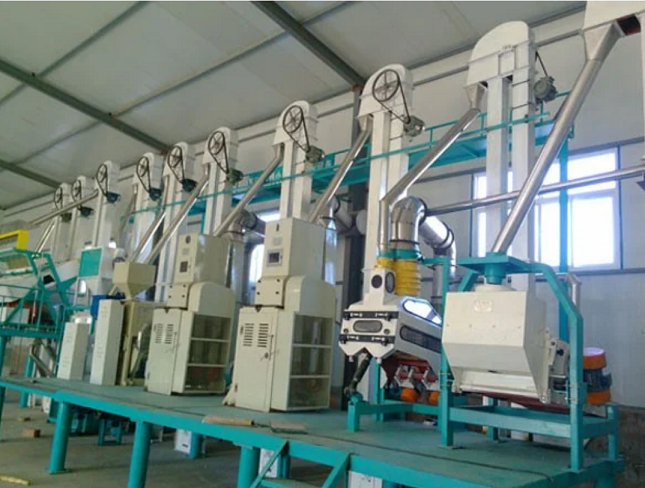
Rice Processing Flow
1. Raw Grain Cleaning: Raw grains are cleaned using a cylindrical pre-cleaning sieve, vibrating sieve, and destoner to ensure purity.
2. Hulling: Hulling is performed using a hulling machine, usually with an air separator to effectively remove the husks.
3. Paddy-Brown Mixture Separation: A paddy-brown separator is used to precisely separate the paddy from the brown rice mixture.
4. Separation of Unripe Grains from Brown Rice: This step is typically used in large rice mills to further improve rice quality.
5. Milling: Rice is milled using a rice milling machine, usually with a one-sand, two-iron configuration. If a polishing machine is added, it can be considered a three-iron configuration. There are some differences in this step between northern and southern rice varieties.
6. White Rice Grading: White rice is graded using a white rice grading sieve based on size, shape, and other characteristics.
7. Color Sorting: Color sorting machines are used for color selection. Currently, the high-end choice in the domestic market is the Swiss Bühler Setex Z series. While highly efficient, it is also relatively expensive.
8. Polishing: Some millet factories polish the rice before color sorting to improve its gloss.
9. Secondary Grading: To ensure consistent quality, the rice undergoes a second grading process.
10. Packaging: The processed rice is packaged for future sales.

Rice Introduction:
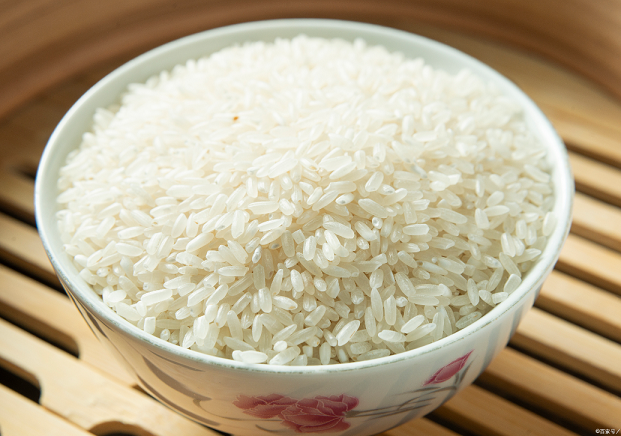
Rice has a long history in China, with cultivation dating back to the time of Shennong and the Yellow Emperor. By the Shang Dynasty, rice had become the most important of the five grains. As one of the staple foods of the Chinese people, rice is made from the grains of paddy rice. Based on variety, rice can be divided into three categories: indica rice, japonica rice, and glutinous rice, each with its unique taste and uses.
Nutritional Value:
1. The protein in rice is mainly rice protein, with a relatively complete amino acid composition, making it easily digestible and absorbable by the human body.
2. Rice is rich in B vitamins, which have important therapeutic effects in preventing beriberi and alleviating oral inflammation.
3. Rice also has the effects of strengthening the spleen and stomach, nourishing essence and strengthening the body, and can quench thirst and stop diarrhea.
4. When cooking porridge, rice produces a thick, slippery, viscous substance, known as “rice oil” or “porridge oil.” It is the essence of rice and has special nourishing effects for patients, postpartum women, the elderly, and those with weak constitutions.
5. If only this rice oil is extracted and consumed on an empty stomach with a little salt, its nourishing effect is even better.
Rice processing technology and equipment are constantly being upgraded. Modern processing plants typically use automated production lines to improve processing precision and output. FOTMA’s rice hulling and milling combination machine adopts a new environmentally friendly design, with high output and excellent rice yield, suitable for processes such as paddy hulling and paddy separation. Feel free to contact us for the best solutions.
Post time: Dec-22-2025