

Sesame oil is a common flavorful cooking oil in our daily diet, prized for its deep, nutty aroma. Depending on the production method, it is generally categorized into “stone-ground” (traditional) sesame oil and machine-pressed sesame oil. Its distinctive fragrance is a primary reason for its popularity, and the pressing method remains the dominant processing technique. Within the entire production flow, the steaming and roasting stage serves as the “soul” of the process. It is not merely a physical pretreatment for oil extraction, but a chemical “catalyst” that facilitates the transformation and release of aromatic compounds. Though seemingly simple, this step is the critical technical juncture that determines the flavor profile and intensity of the aroma—factors that directly dictate the market competitiveness of the finished product.
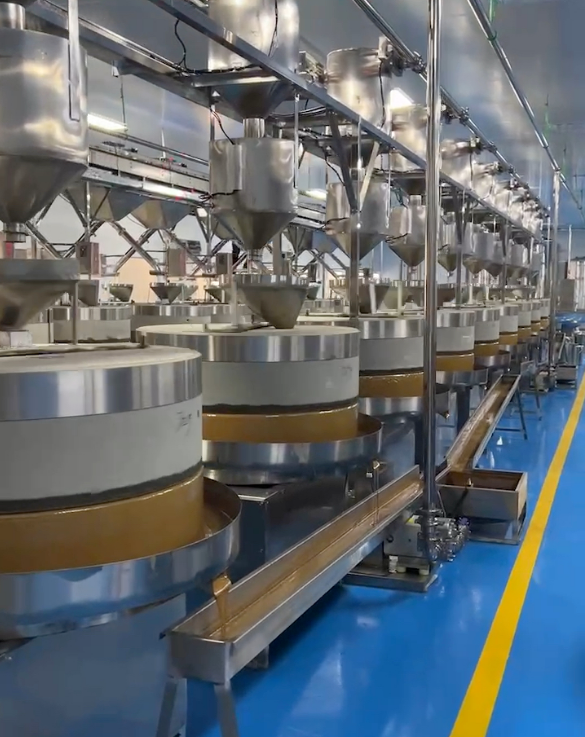
The Core Function of the Steaming and Roasting Process:
Through the synergistic effects of steaming and roasting, the sesame seeds undergo a profound transformation. During the steaming phase, high-temperature steam softens the cell walls and denatures the proteins, creating favorable conditions for the subsequent release of oil. In the roasting phase, precise temperature control facilitates a series of complex chemical reactions—such as the Maillard reaction and caramelization—involving precursors like sugars and amino acids. These reactions are the primary pathways for generating the characteristic aromatic compounds of sesame oil, including pyrazines, furans, and various sulfur-containing compounds.
Throughout the steaming and roasting stage, the temperature and duration must be strictly and accurately controlled. If the temperature is too low, the necessary chemical reactions will not be sufficiently triggered; conversely, if the temperature is too high, it will produce a burnt, acrid flavor, disrupting the delicate balance of the aroma. Furthermore, moisture control during the steaming and roasting process is critical. An optimal moisture level ensures that the desired chemical reactions proceed fully while preventing the oxidation of the oil, thereby preserving the integrity and richness of its aroma.
The quality of the steaming and roasting process directly dictates the efficiency of the subsequent pressing stage and the final quality of the oil. Proper steaming and roasting effectively break down the cellular structure of the sesame seeds, enhancing the fluidity of the oil and increasing the extraction yield. More importantly, the aromatic compounds developed during this process are pressed out along with the oil, imparting the signature, robust fragrance characteristic of sesame oil. If the steaming and roasting are insufficient, the internal structure of the seeds remains intact, leading to a lower oil yield and an underdeveloped aroma. Conversely, excessive steaming and roasting can introduce undesirable notes—such as a burnt or bitter taste—while high temperatures may cause the oil to oxidize and turn rancid, negatively affecting both its shelf life and nutritional value.
With the upgrading of consumer demand and intensifying market competition, producers of aromatic sesame oil now require more precise control over the steaming and roasting process. Traditional, experience-based methods are no longer sufficient to meet the demands of standardized production; modern production lines are increasingly shifting toward greater precision, automation, and intelligence. Roasting equipment from FOTMA MILL, for instance, utilizes automated control systems to regulate temperature, duration, and the frequency of stirring, ensuring consistent quality across different production batches.
In summary, the steaming and roasting process serves as the core stage in the production of aromatic sesame oil, determining its fragrance, extraction yield, and market value. Only by precisely managing these process parameters can manufacturers produce high-quality, consistently aromatic sesame oil that stands out in a competitive market and earns the favor of consumers.
Post time: Oct-15-2026