

Current industrial soybean oil processing primarily relies on mechanical pressing and solvent extraction. While solvent extraction allows for more thorough oil recovery and yields high-quality soybean meal, it entails substantial investment and is typically reserved for large-scale projects; it is generally unsuitable for small- and medium-sized enterprises, which predominantly utilize mechanical pressing methods.
Regardless of whether pressing or extraction is employed, pretreatment is a crucial stage in the production line. Soybean pretreatment generally encompasses cleaning, destoning, cracking, conditioning, steaming/roasting, flaking, and dehulling. Among these, cracking and conditioning serve as critical steps that precisely adjust material properties, laying a solid foundation for subsequent processing and facilitating the smooth operation of the entire production line.
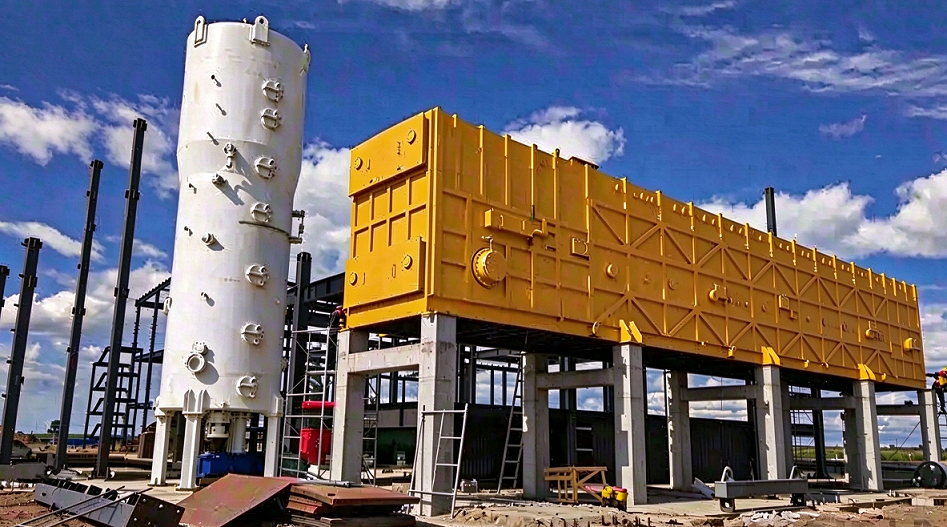
Installation site for soybean oil solvent extraction equipment
1. Cracking Process: Refining Particle Size to Boost Oil Yield
The cracking process involves breaking whole soybeans into uniform particles. While seemingly simple, this step has a profound impact on downstream processing. Cracking alters the internal structure of the soybean, rupturing cell walls and making the oil more accessible for extraction. Furthermore, the increased surface area of the cracked particles enhances contact with pressing equipment or solvents, thereby increasing oil yield.
2. Conditioning Process: Softening Material to Optimize Pressing Conditions
Conditioning is the process of adjusting the moisture content and temperature of the cracked soybeans. The primary objective is to bring the soybeans to an optimal state of moisture and temperature for the subsequent pressing or extraction stages.
Through the application of heat and moisture, the conditioning process softens the soybeans. Softening not only disrupts the cellular structure of soybeans and improves oil extraction efficiency but also reduces energy consumption and equipment wear during the pressing process.
Soybean moisture content directly affects pressing performance. Excessive moisture causes the material to clump and increases the proportion of fines, while insufficient moisture makes the material too dry, thereby reducing pressing efficiency. Therefore, strict control of moisture content during the conditioning process is essential to ensure the soybeans are in optimal condition.
Appropriate temperatures facilitate protein denaturation and enzyme inactivation, preparing the material for subsequent pressing or solvent extraction. Temperature also influences the plasticity and flow characteristics of the material, thereby impacting pressing results.
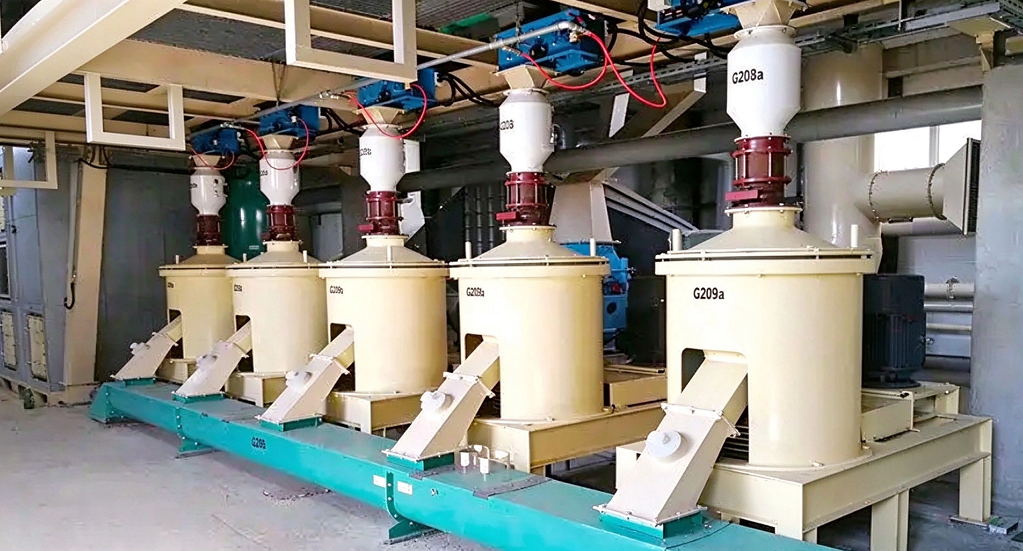
Soybean Oil Solvent Extraction Production Line: Pre-treatment Workshop
Impact of Cracking and Conditioning on Downstream Processing
After cracking and conditioning, soybeans undergo significant physical and chemical changes. These changes positively influence subsequent pressing or solvent extraction steps. Cracking reduces particle size and increases surface area, making it easier to expel oil during pressing. Meanwhile, softening makes the soybeans pliable, reducing resistance during pressing and further enhancing efficiency. Conditioning disrupts the cellular structure, facilitating easier oil extraction by solvents. Furthermore, optimal moisture and temperature conditions promote solvent penetration and diffusion, further boosting extraction efficiency.
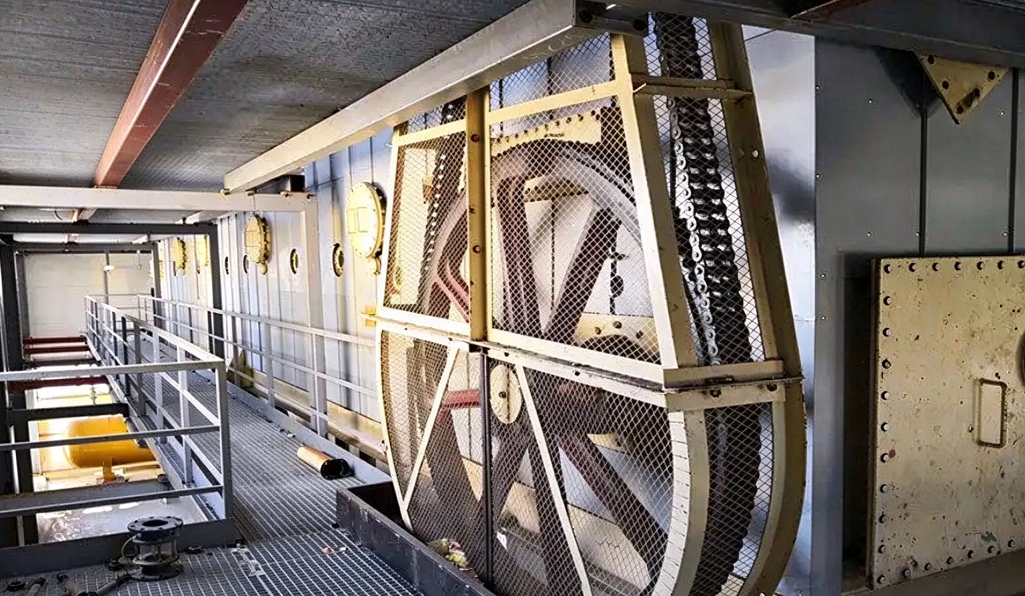
Soybean Oil Drag-Chain Extractor
In summary, the cracking and conditioning process in soybean processing lines modifies material characteristics, laying a solid foundation for subsequent pressing or solvent extraction. These treatments significantly improve the physical and chemical properties of the soybeans, increasing pressing and extraction efficiency while enhancing the purity and quality of the final oil product. Consequently, the importance of the cracking and conditioning process should be fully prioritized during the design and optimization of soybean oil production lines to ensure optimal performance.
Post time: Oct-14-2026