

The latest international development of parboiled rice mill is mainly reflected in intelligence, energy saving and environmental protection, efficient automation and multifunctional integration. The following is a detailed introduction from the aspects of technology trends, core equipment innovation, application field expansion and representative enterprises:
1. Technology development trend
Intelligence and digitalization
AI and Internet of Things (IoT) integration: real-time monitoring of cooking temperature, moisture content, pressure and other parameters through sensors, combined with AI algorithm to optimize the process.
Big data analysis: collect production data to predict equipment maintenance needs and reduce downtime.
Energy-saving and environmental protection technology
Waste heat recovery system: use steam condensate waste heat to preheat raw materials and reduce energy consumption.
Low emission design: use biomass fuel or electric heating to replace traditional coal-fired boilers (European companies tend to use clean energy).
Efficient automation
Full process unmanned: fully automated production line from raw material cleaning, soaking, cooking to drying and packaging.
Robot application: automatic palletizing and sorting robots.
Multifunctional integration
One machine for multiple uses: the same equipment can handle different grains (such as brown rice, glutinous rice, quinoa), and quickly switch processes through modular design.
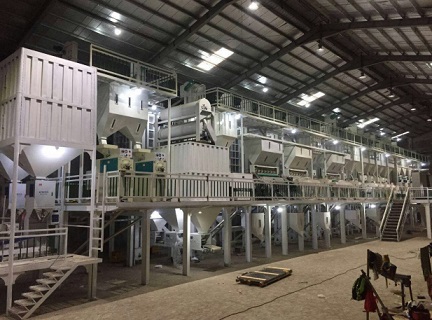
II. Innovation of core equipment
Pretreatment link
Ultrasonic cleaning technology: replaces traditional water washing, saving more than 30% of water.
Precision soaking system: shortens soaking time by controlling pH value and temperature.
Cooking equipment
Continuous steam cooker: adopts spiral conveying design, shortening cooking time to 5-10 minutes.
High-pressure cooking technology: improves starch gelatinization efficiency, suitable for instant rice.
Drying and cooling
Microwave drying technology: retains the taste of rice grains and reduces energy consumption by 20%.
Vacuum cooling system: rapid cooling to prevent rice grains from sticking.
Packaging link
Modified atmosphere packaging (MAP): extends the shelf life to 12 months.
III. Expansion of application areas
Traditional staple food processing
Ready-to-eat rice, sushi rice, glutinous rice products (such as the cooking production line of Asahimatsu Foods in Japan).
Healthy food
Low GI (glycemic index) rice, high-protein rice products (Ben’s Brown Rice production line in the United States).
Emerging markets
Pet food (puffed rice), space food (freeze-dried rice, such as NASA cooperative suppliers).
IV. Challenges and future directions
Challenges: high initial investment cost (smart production line about 2-5 million US dollars), adaptability to small language markets.
Future directions:
Hydrogen heating: Japan develops zero-carbon cooking technology.
3D printing customized rice products: personalized nutritional ratio.
International rice cooking equipment is developing in the direction of green, flexible and ultra-efficient. Asian companies have significant advantages in cost-effectiveness and localized services, while European and American companies focus on high-end intelligence. In the future, as the global demand for convenience foods grows, the technical competition in this field will become more intense.
Post time: May-04-2025