

The main safety hazards faced by rice mill producers involve the following key areas:
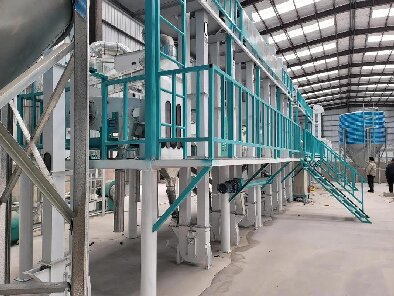
1. Respiratory Illnesses: Rice bran dust generated during rice milling can cause skin allergies and respiratory discomfort in workers. Long-term inhalation can even damage lung health and may cause skin allergies.
2. Dust Explosion Risk: During rice production, dust generated during the milling process, if reaching a certain concentration in the air, can cause an explosion, resulting in serious casualties and property damage.
3. Mechanical Injury Risk: The various mechanical equipment used in rice production lines, such as conveyor belts, cleaning machines, and rice mills, can cause mechanical injuries if improperly operated or inadequately maintained.
4. Heavy Metal and Mycotoxin Contamination:
Although rice mills primarily provide pesticide testing reports, a lack of testing for heavy metals and aflatoxin may also pose a contamination risk. To address these safety hazards, rice producers can implement the following control measures:
1. Dust explosion risk management: Regularly clean production workshops, maintain dust concentrations within safe levels, enhance ventilation, and install appropriate fire and explosion protection equipment.
2. Mechanical injury risk control: Provide professional training to operators, ensure regular equipment maintenance, and use safety precautions in operating areas.
3. Chemical hazard prevention: Strictly manage and properly store chemical substances, provide operator training on chemical safety, ensure the use of appropriate personal protective equipment, and properly dispose of waste chemicals.
In addition to the above measures, rice producers should establish and improve safety management systems, clearly assign responsibilities, strengthen employee safety awareness training, and continuously improve safety management measures to ensure safety during production.
Post time: Sep-14-2025