
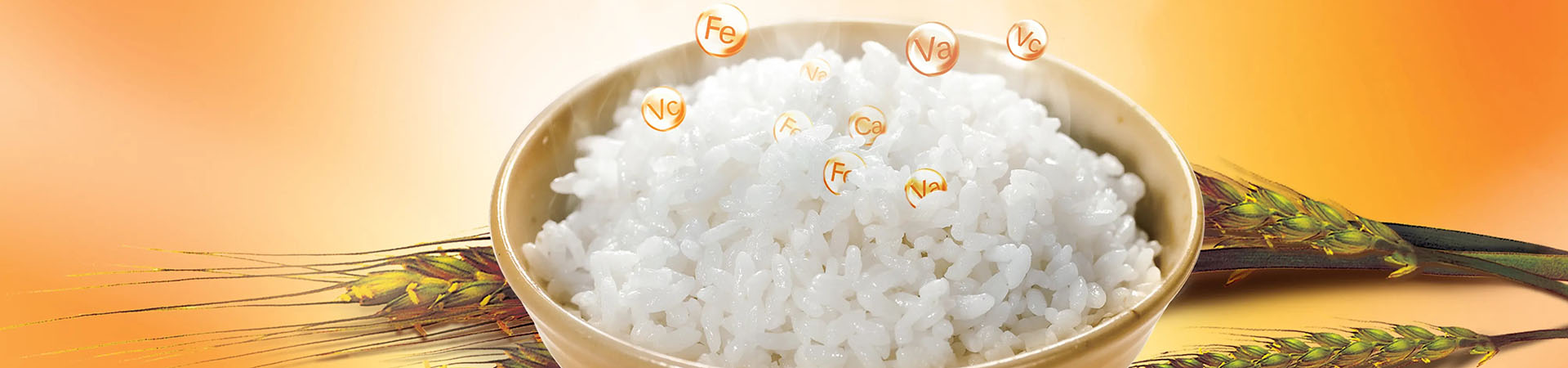
Rice processing equipment removes the hull from paddy rice using mechanical force, tearing the husk and separating it from the brown rice. However, this method has inherent limitations. Different varieties of paddy rice have varying qualities, so this equipment can only remove most of the husk; a small amount of rice will remain unhulled.
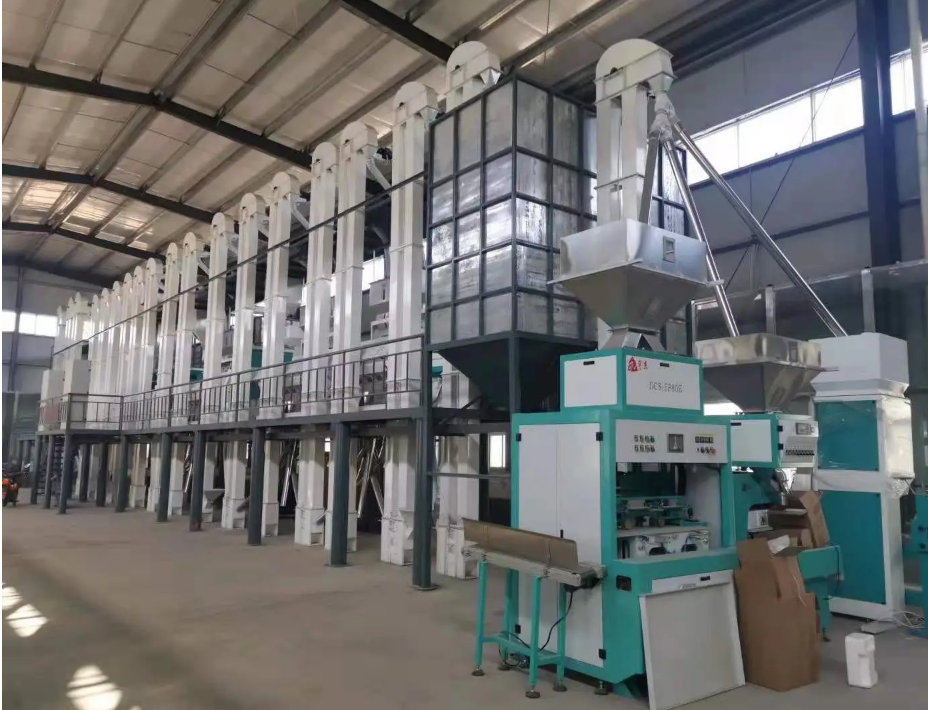
Furthermore, due to individual differences in paddy rice, even with uniform processing force, some paddy rice will inevitably remain unhulled, while others will be over-hulled, resulting in broken rice and cracked grains. Therefore, when hulling paddy rice, it’s crucial to first reduce the damage rate of the brown rice. Only under this premise can the hulling rate and hourly output be increased, thus reducing material and energy consumption.
The hulling residue from a rice processing plant includes the following mixtures:
1. Brown Rice: This is the main product of the mixture and requires further processing using rice milling equipment.
2. Paddy Rice: This is the unhulled paddy rice mentioned above, which needs to be hulled again.
3. Paddy Husks: This is the product after successful hulling. Also called rice bran or rice husk, it can be used as fuel and has other uses.
4. Broken Rice and Immature Rice Grains: Broken brown rice refers to rice obtained after hulling broken brown rice and brown rice damaged during the hulling process. Immature rice grains are white or greenish in color but opaque. They are small and flat. These immature grains have considerable nutritional value and can be used as animal feed.
5. Branch: This is a product of rice hulling, composed of crushed brown rice, immature rice grains, rice husks, and rice bran.
Post time: Jul-27-2026