

Transforming paddy rice into cooked rice involves the following steps:
1. Cleaning: Using appropriate equipment, processes, and operating methods to remove various impurities mixed in with the paddy rice, thereby improving the quality of the finished product. Magnets are also used to remove items like iron nails and filings to ensure production safety.
2. Husking: Using rubber-roll or emery-roll huskers to remove the husks from the paddy rice and separate the husks from the brown rice.
3. Milling: Using rice milling machines to mill and abrade the brown rice, separating the outer bran layers from the endosperm.
4. Finishing: Processes such as brushing, bran removal, broken rice separation, color sorting, and cooling yield rice of the desired grade.
During the cooking process, care should be taken not to wash the rice too many times to avoid nutrient loss; the water-to-rice ratio must be appropriate to ensure the rice is fluffy and delicious; and mixing in a small amount of oil before cooking can enhance both the texture and nutritional value.
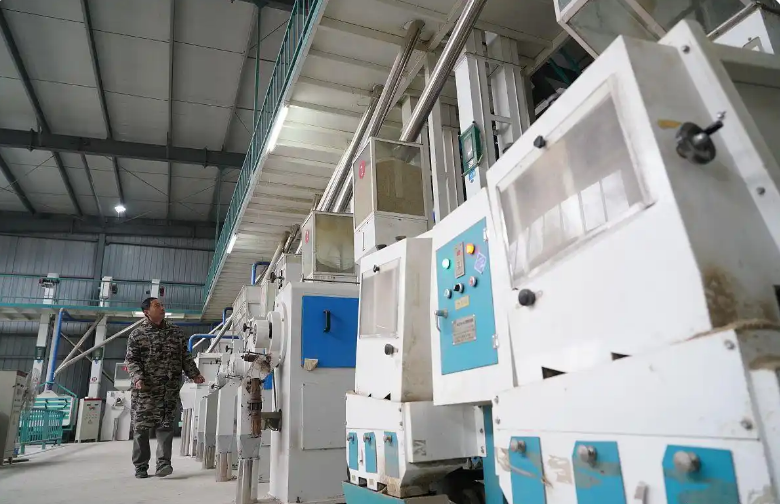
This 200-ton capacity rice processing equipment represents the pinnacle of modern rice production lines. Built entirely on a steel frame platform, it ensures stability and durability. The system features advanced technology and a compact configuration, delivering a high rice yield that ensures every grain is fully utilized. A single system handles the entire process from raw brown rice to finished polished rice, incorporating over ten processing steps—including cleaning, destoning, polishing, color sorting, and quantitative packaging. It handles everything from high-grade to standard edible indica rice with ease, meeting diverse production requirements.
Technical Characteristics:
1. Motor Drive and Electrical Control: Each major processing machine is driven by an independent motor to ensure optimal performance. Individual control via an electrical console makes the entire production process smarter and increases efficiency.
2. Flexible Process Design: The process configuration can be adjusted according to the user’s specific needs, ensuring that every customer’s requirements are met. This equipment handles rice processing across all precision levels with ease, demonstrating unparalleled versatility.
3. Electrostatic Powder Coating: All exterior finishes utilize an electrostatic powder coating process. This not only ensures a sleek, attractive appearance and long-lasting color retention but also keeps the equipment looking brand new, even in harsh production environments.
4. Durable Glass Chutes: The material transport system features glass chutes that ensure smooth flow and offer visual appeal, while their durability guarantees long-term operational stability.
5. Efficient, Eco-friendly Dust Removal System: The dust removal unit employs high-efficiency collection technology; it delivers optimal dust extraction performance while meeting all current environmental regulations, ensuring a green, pollution-free production process.
This 200-ton capacity rice processing system is a standout in the industry, perfectly blending modern technology with traditional craftsmanship to deliver both high production efficiency and superior rice quality.
Post time: Sep-03-2026