

Explore China Rice Milling Process Products from Top Manufacturers
As a B2B purchaser, you want the best solutions for your rice milling needs, and our China Rice Milling Process Product stands out in the market. We put great emphasis on quality and efficiency, ensuring that our machinery meets international standards. With a commitment to innovation, we’ve developed a milling process that not only optimizes production but also maintains the nutritional value of the rice. Our equipment is designed by expert manufacturers in China, who understand the specific requirements of the industry. You can trust our products to enhance your operations, reduce waste, and increase your yield. The robust design and user-friendly features make it suitable for both small and large-scale milling operations. Partnering with us means you’re investing in premium technology that supports your business growth. I’m confident that our solutions can meet your needs and help you thrive in the competitive market.
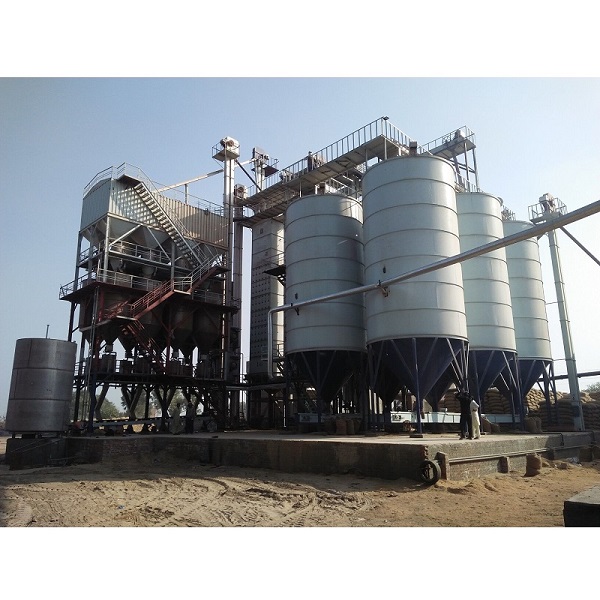


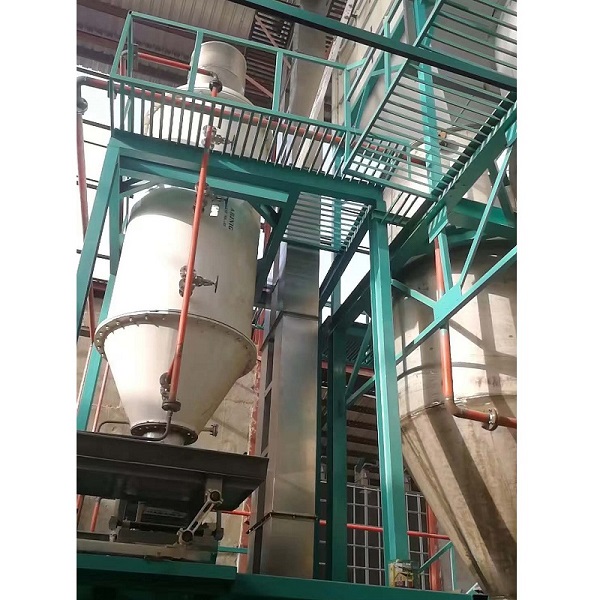
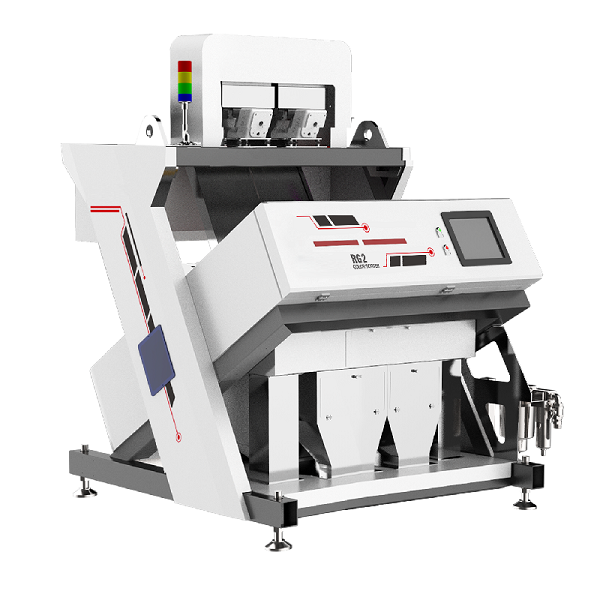
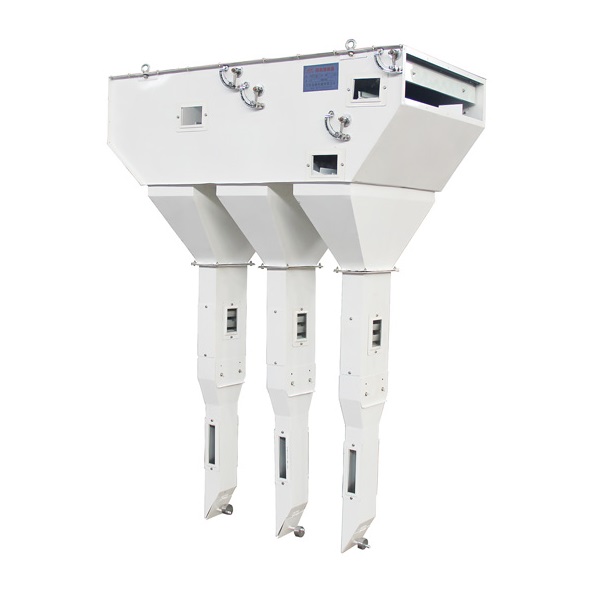
China Rice Milling Process Product Application Dominates
The rice milling process is a crucial element in the agricultural supply chain, particularly in regions where rice is a staple food. With the increasing global demand for high-quality rice products, understanding the intricacies of rice milling has never been more vital. In China, advanced milling techniques have set a benchmark, allowing for maximum yield while preserving grain quality. By utilizing modern machinery, processors can significantly enhance efficiency, reduce waste, and ensure that the final product meets international standards. As global buyers seek reliable sources for rice milling equipment and solutions, it is important to recognize the wide range of applications for these products. From small-scale operations to large milling facilities, innovative technologies are transforming how rice is processed. Features such as automatic sorting, superior husking mechanisms, and precise polishing functions not only improve the milling process but also enhance the nutritional value of the rice. This evolution in technology caters to the diverse needs of consumers worldwide, making it essential for procurement agents to consider suppliers that offer cutting-edge solutions. In summary, the dominance of advanced rice milling processes in China presents an opportunity for global buyers to invest in high-performance machinery that can streamline production and elevate product quality. Understanding these advancements can lead to strategic purchasing decisions that not only satisfy market demands but also promote sustainable practices within the industry. Embracing this technology will undoubtedly position businesses favorably in the competitive rice market, ensuring lasting success.
China Rice Milling Process Product Application Dominates
| Process Stage | Description | Main Applications | Efficiency Improvement (%) |
|---|---|---|---|
| Pre-cleaning | Removal of impurities and foreign materials | Quality enhancement, reduced contamination risk | 10 |
| Parboiling | Soaking, steaming, and drying of paddy | Improved nutritional value and grain texture | 15 |
| Hulling | Separation of husk from brown rice | Increase in yield ratio | 20 |
| Milling | Processing brown rice to white rice | Market-ready white rice production | 25 |
| Sorting | Classification of rice based on quality | Uniformity in product quality | 12 |
Related Products



China Rice Milling Process Product Ahead of the Curve From Concept to Delivery
Top Selling Products




- Related Blog
- Reviews
