

Achieving superior processing results depends on effectively managing the friction within the rice milling system. While friction plays a useful role, balance is key; the goal is to ensure the friction level is just right and that the various components of the system work together harmoniously. It is essential to know when to reduce friction and when to increase it, and to time these adjustments correctly.
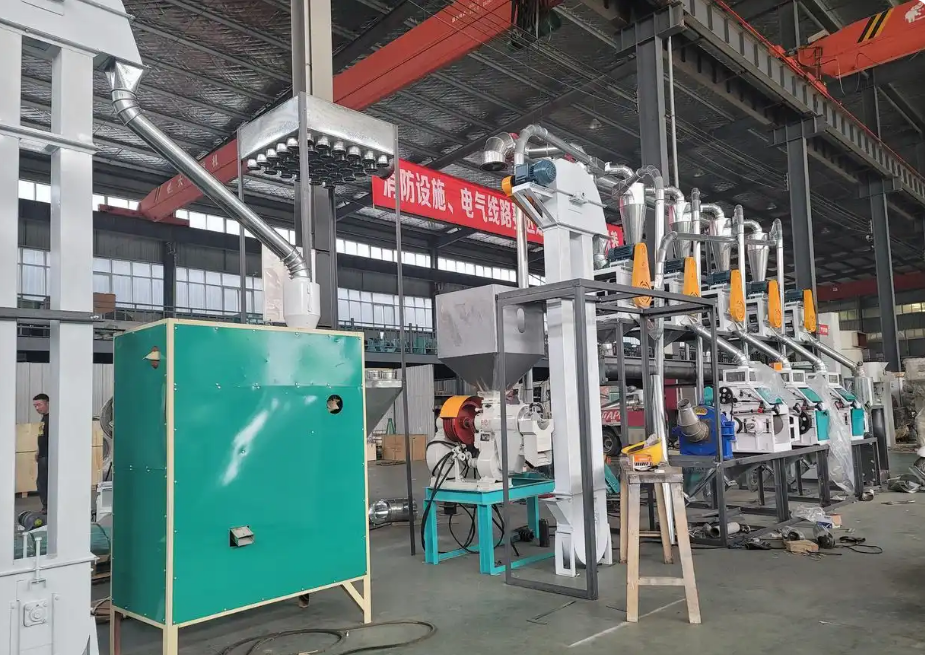
Friction is a double-edged sword in the operation of rice milling equipment. Excessive friction can adversely affect key components, thereby shortening their service life. Success lies in maintaining the friction force within an appropriate range at the right moments.
During the processing of raw grain, energy is consumed to overcome friction between moving parts. This energy converts into heat, raising operating temperatures, causing lubricant failure, and accelerating equipment wear. Such conditions can compromise the structural integrity and mechanical operation of the system, ultimately having a negative impact on processing performance.
Post time: Jun-23-2026