

The flavor and nutrition of rapeseed oil originate from the pressing process, and the key to oil yield lies in pre-treatment—from cleaning and stone removal to steaming, roasting, and conditioning, each step determines oil quality and production efficiency.
Rapeseed oil is one of my country’s main edible oils and a common choice in people’s daily diets. Depending on the processing technology and raw material variety, rapeseed oil is divided into many product types, commonly including pressed rapeseed oil, solvent-extracted rapeseed oil, aromatic rapeseed oil, high-oleic rapeseed oil, and low-erucic acid rapeseed oil, among others.
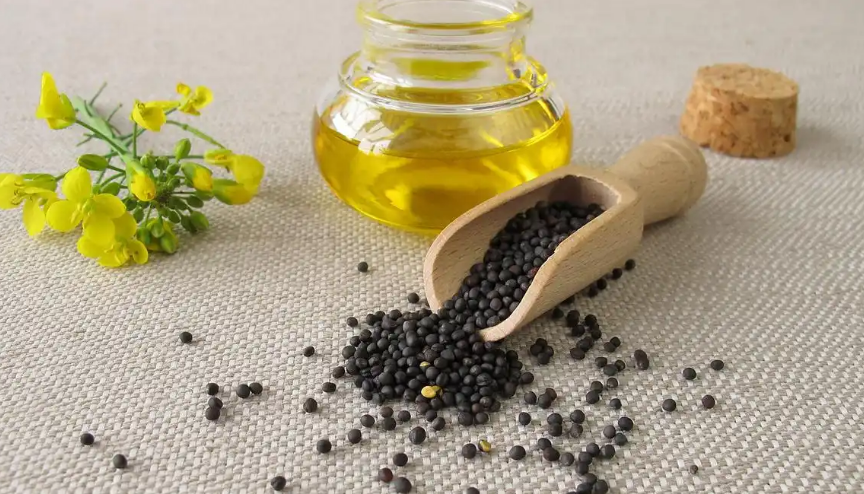
Industrially, rapeseed oil production mainly uses pressing and pre-pressing-extracting processes. The pressing process focuses more on flavor and nutrition, using mechanical physical pressing to extract the oil, resulting in a rich aroma, no chemical additives, and high quality. Pre-pressing and leaching processes use pre-pressed rapeseed cake as raw material, processing it before leaching to extract oil. This further increases the oil yield, keeping residual oil in the cake below 1%, thus improving the oil mill’s production efficiency.
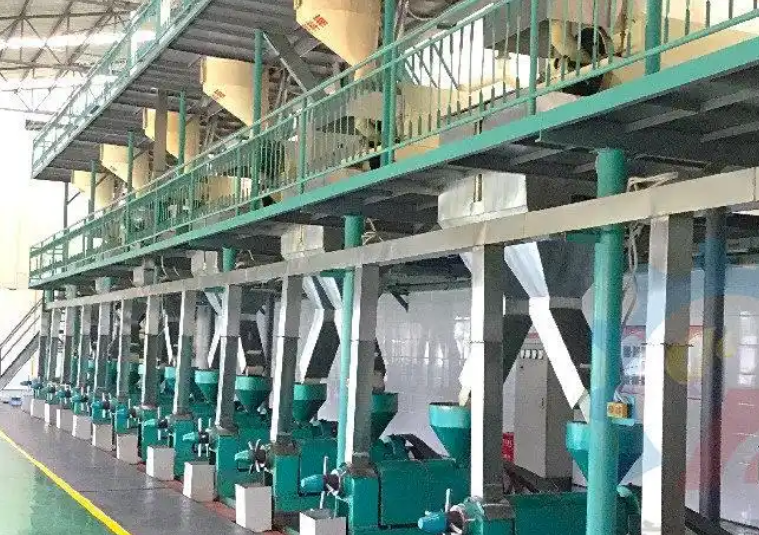
To improve the oil yield and quality of rapeseed oil during production, besides selecting the right pressing process and equipment, the pre-treatment process of the raw materials plays a decisive role. Raw material pre-treatment is a crucial step in edible oil processing, primarily aimed at screening raw materials, removing impurities, altering the oilseed’s structure, and adjusting temperature and moisture content. Depending on the characteristics of the oilseed, the pre-treatment processes and equipment used will vary accordingly; for example, tea seeds require dehulling, and cottonseed requires delinting. Common raw material processing techniques for rapeseed oil include cleaning and destoning, rolling, and steaming/roasting.
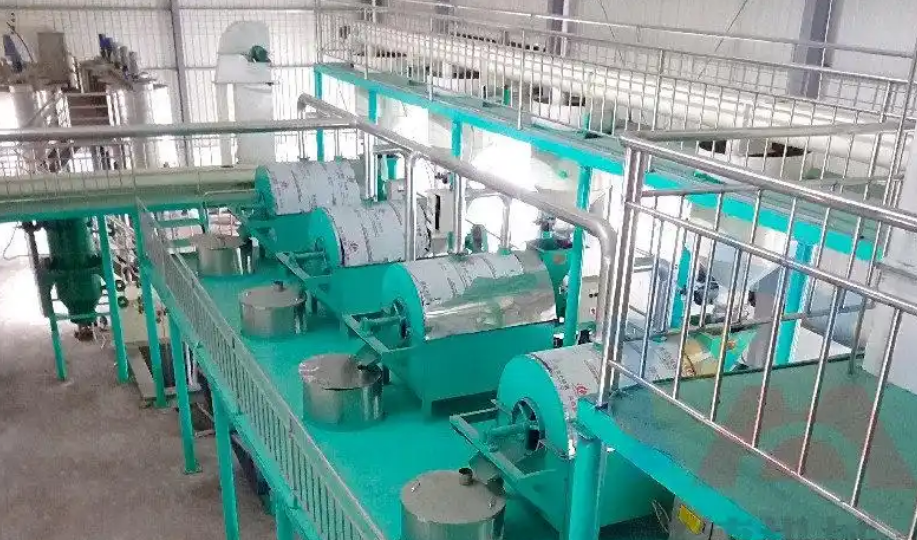
Cleaning and Destoning: This part aims to improve the purity of the oilseed. During harvesting, drying, and storage, rapeseed raw materials often become contaminated with impurities such as stones, plant stems, iron filings, and mud. These impurities not only affect oil yield and quality during oil processing but also cause wear and tear on equipment, reducing its lifespan. Therefore, they need to be removed through cleaning equipment. Commonly used equipment in production includes vibrating screens, gravity destoners, magnetic separators, and air-separated dust collectors to clean and remove impurities from the raw materials, thereby improving the purity of the oilseeds.
Rolling: After cleaning, the rapeseed enters the rolling process, where whole rapeseed grains are processed into sheet-like oilseeds using a rolling mill. This process disrupts the cell structure of the oilseeds and increases their surface area, which is beneficial for subsequent steaming, roasting, and pressing.
Steaming and Roasting Conditioning: The steaming and roasting process regulates the temperature and moisture of the oilseeds through roasting or steam heating. This breaks down cell walls, reduces oil viscosity, accelerates oil flow and aggregation, which is beneficial for subsequent pressing and improves the oil yield.
Pretreatment of oilseeds has a significant impact on the quality and yield of edible oils. Pretreatment of rapeseed raw materials can improve the oil yield, optimize oil quality, reduce equipment wear and tear, and improve production efficiency and economic benefits. It is an important production process for improving the quality of edible oils!
Post time: Apr-29-2026