

The following are suggestions regarding the price, process, list of components, selection, and usage considerations for a 50-ton/day fully automatic rice milling production line:
Price: The price of a 50-ton/day fully automatic rice milling production line varies depending on factors such as brand, configuration, performance, and after-sales service, typically ranging from several million to tens of millions of yuan. When purchasing, it is necessary to comprehensively consider the cost-effectiveness of the equipment based on actual needs and budget.
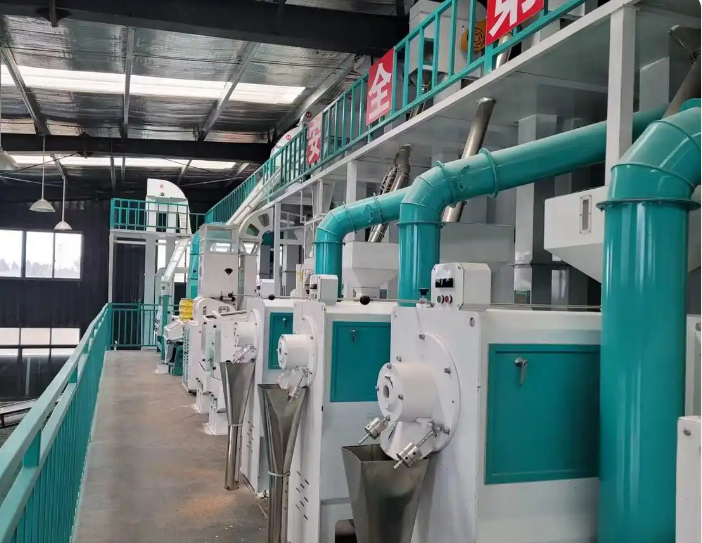
The process of a 50-ton/day fully automatic rice milling production line typically includes the following steps:
1. Cleaning: Removing impurities and incomplete rice grains from the rice;
2. Dehulling: Separating the rice husk from the rice grains;
3. Grinding: Grinding the rice grains to remove the bran and germ;
4. Sieving: Separating the first and last grains of rice according to their size and shape;
5. Peeling: Removing the outer skin and membrane from the first grains;
6. Packaging: Packaging the processed rice into bags. A typical list of equipment for a 50-ton fully automatic rice milling and processing plant includes the following:
1. Washing equipment: including elevators, destoners, vibrating screens, etc.
2. Dehulling equipment: including dehullers, dehulling screens, etc.
3. Grinding equipment: including grinders, rice milling machines, etc.
4. Screening equipment: including flat screens, vibrating screens, etc.
5. Peeling equipment: including peeling machines, etc.
6. Packaging equipment: including automatic weighing and packaging machines, conveyors, etc.
When purchasing a 50-ton fully automatic rice milling and processing plant, the following factors should be considered:
1. Equipment production capacity and performance;
2. Equipment quality and reliability;
3. After-sales service;
4. Equipment price and cost-effectiveness;
5. Manufacturer’s reputation and word-of-mouth.
When using a 50-ton fully automatic rice milling and processing plant, the following points should be noted:
Installation, commissioning, and maintenance of the equipment should be performed by qualified personnel;
The equipment should be cleaned and disinfected regularly to ensure hygienic production;
Equipment maintenance should be carried out according to the manufacturer’s requirements;
During equipment operation, real-time monitoring and inspection should be conducted.
Post time: Jul-22-2026