

In the grain and oil industry, especially in rice processing, an efficient production flow is key to business success. For enterprises needing to process large volumes of rice daily, a stable and high-performance rice processing line is essential. This article elaborates on the technological process and working principle of FOTMA MILL’s 200-ton-per-day rice processing line, supported by practical application cases to facilitate better understanding and line management.
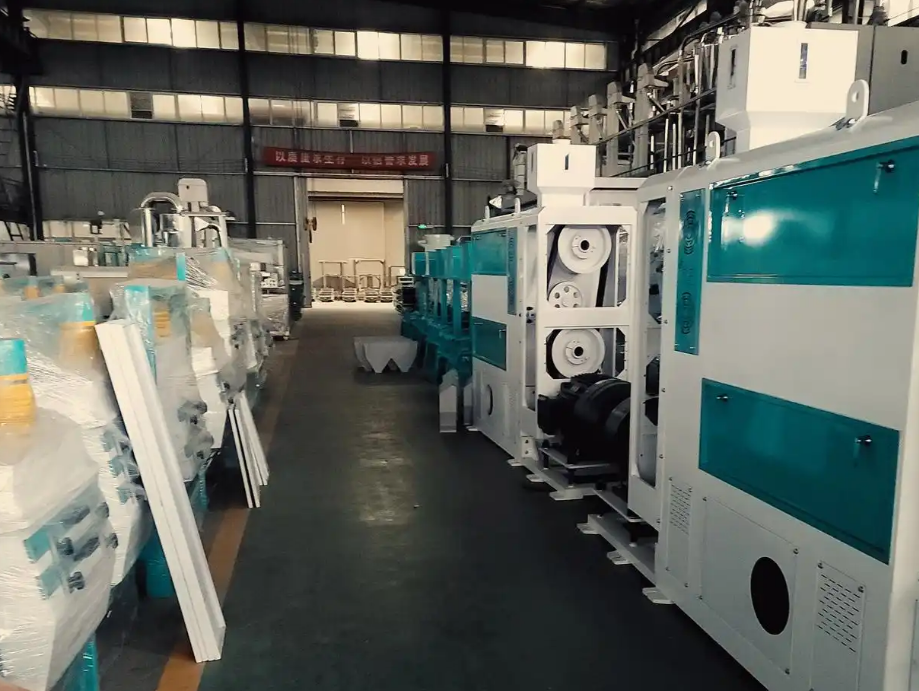
I. Production Line Overview
A 200-ton-per-day rice processing line consists of multiple stages, including cleaning, hulling, milling, polishing, color sorting, and grading. Each stage performs a dedicated function, working in tandem to convert paddy rice into finished rice. Such a line not only boosts production efficiency but also ensures consistent and stable product quality.
II. Introduction to Key Processes
1. Cleaning Process
As the first and critical step of the entire production flow, the cleaning process removes impurities from paddy rice — such as stones, metals, and weeds — via air separation, magnetic separation, and sieving. This improves the efficiency of subsequent processes and protects machinery from damage caused by foreign materials. FOTMA MILL’s high-efficiency cleaning equipment features strong cleaning capacity and exceptional durability.
2. Hulling Process
The primary goal of hulling is to remove the husk from paddy rice. This is typically accomplished using a rubber roller huller, which achieves dehulling through friction between high-speed rotating rollers and the paddy. Selecting the right huller is vital for enhancing rice yield and reducing broken rice.
3. Rice Milling Process
Milling removes the bran layer from brown rice to produce white rice, using a rice mill. The choice of mill is equally important, as it directly affects the taste and nutritional value of the final product.
4. Polishing Process
Polishing smoothens the rice surface to improve its visual quality. A polisher delivers the desired finish by applying appropriate pressure and friction to rice grains. High-quality polishers significantly enhance the gloss and palatability of rice.
5. Color Sorting Process
Color sorting uses optical principles to identify and remove defective rice grains, such as discolored or insect-damaged kernels. The application of color sorters has greatly elevated the quality of finished rice.
6. Grading Process
The final stage is grading, which classifies rice by grain size and shape. This step helps improve the market competitiveness of finished rice products.
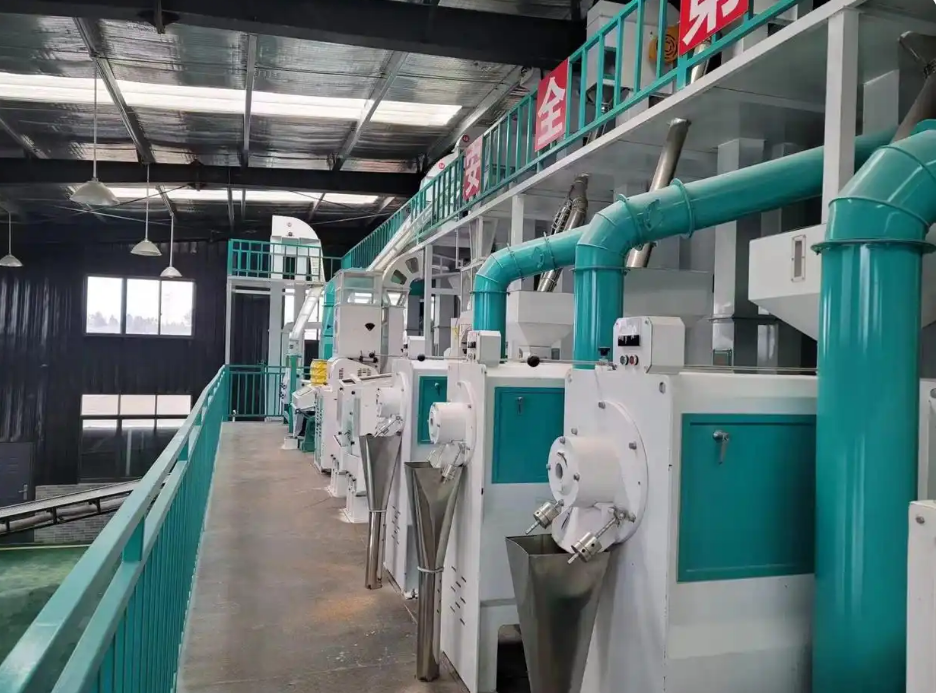
III. Maintenance and Upkeep Recommendations
Regular maintenance is necessary to ensure long-term stable operation of the production line. It is recommended to establish a detailed maintenance plan covering daily inspections, periodic replacement of worn parts, and timely system upgrades. In addition, operators should receive professional training to master equipment operating specifications, minimizing malfunctions caused by improper operation.
In summary, a 200-ton-per-day rice processing line is a complex yet efficient system. Rational process design and scientific equipment selection can effectively raise production efficiency and product quality. We hope the information in this article provides useful guidance for managing your production line. For inquiries or interest in any of the aforementioned equipment, please feel free to contact us — FOTMA MILL is at your service.
This article offers a comprehensive overview of the technological process and working principle of a 200-ton-per-day rice processing line, while emphasizing the importance of equipment maintenance. It is intended to help enterprises better manage and optimize their production lines for sustainable business development.
Post time: Jun-05-2026