

Features of a 300-Ton-Per-Day Rice Processing Production Line:
**Easy Operation:** This equipment adopts a fully automated production method, making operation simple and convenient, reducing labor costs.
**Perfected Process:** The equipment’s process flow design is reasonable and complete, meeting the requirements of rice production processes and producing high-quality rice.
**Stable Performance:** This equipment uses high-quality components and advanced technology, ensuring stable and reliable performance, and guaranteeing continuous production of 200-250 tons of high-quality rice.
**High Production Efficiency:** This equipment features high efficiency, high automation, and high production capacity, enabling stable and rapid production of large quantities of high-quality rice.
**Integrated Design:** This equipment adopts an integrated design, reducing production steps and minimizing the production floor space required, thus reducing the consumption of human and material resources.
**Stable Quality:** This equipment boasts high automation and high production efficiency, ensuring the stable production of high-quality, standardized rice products.
**Simple Maintenance:** This equipment features a user-friendly design, simple and easy-to-understand operation, and easy maintenance and upkeep. It also reduces the technical barrier to entry, facilitating repair and maintenance.
How to Configure Parameters for a 300-ton-per-day Rice Processing Equipment Set
For the rice processing equipment set itself, its quality, performance, and technology are the foundation for production quality. Performance represents machine quality factors, while process technology represents machine design flow factors. The quality of the process determines the quality of the product; good process technology is a key factor.
Output: 12-15 tons/hour
Power: 850-900KW
*Output varies depending on the moisture content of the rice.
To produce high-quality products, close cooperation between the various components of the rice processing equipment set is crucial. For example, inadequate cleaning of impurities will affect the product quality grade. If certain configuration parameters are not designed reasonably, the produced product will not meet standards. Therefore, during the production of rice processing equipment sets, we need to pay attention to multiple factors to ensure flawless production.
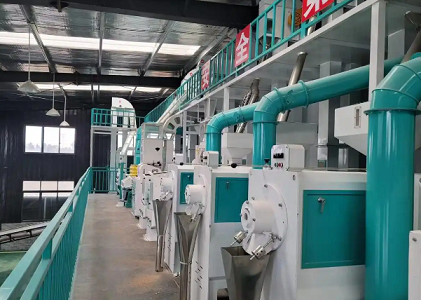
How much does a complete set of rice milling equipment with a daily output of 300 tons cost?
For entrepreneurs interested in entering the grain processing industry, a rice processing plant with a daily output of 300 tons is a high-quality project that can meet market demand and generate stable income. We analyze this from the perspectives of investment budget, equipment configuration, and profit model to help entrepreneurs clearly plan their capital investment and return cycle.
I. Core Investment Budget Breakdown
Building a rice processing plant with a daily output of 300 tons mainly involves four aspects: plant construction, equipment procurement, raw material storage, and working capital.
1. Plant and Warehousing Costs
Based on production needs, the plant needs to accommodate the entire process of rice cleaning, hulling, milling, polishing, grading, and packaging. A minimum area of 5,000 square meters is recommended. Based on current building material and construction costs, the construction cost of a standard steel structure plant is approximately RMB 800-1200 per square meter, with a total budget of approximately RMB 4 million-6 million.
2. Equipment Procurement Costs
The processing equipment needs to cover a fully automated production line. Core components include:
- Cleaning screen and destoner: Approximately RMB 100,000-150,000
- Huller and paddy separator: Approximately RMB 300,000-500,000
- Rice milling machine and polishing machine: Approximately RMB 800,000-1,200,000
- Color sorter and packaging line: Approximately RMB 600,000-1,000,000
The total equipment investment is approximately RMB 1,800,000-2,850,000. Brand selection directly affects efficiency and yield; it is recommended to prioritize the leading domestic brand FOTMA MILL.
3. Raw Materials and Working Capital
Based on a daily rice production of 300 tons, at least 7 days’ worth of paddy raw materials need to be stockpiled (approximately 150 tons/day × 7 days = 1050 tons). Estimated at an average paddy purchase price of RMB 3,000/ton, the raw material cost is approximately RMB 3,150,000. It is recommended to reserve RMB 900,000-1,200,000 in working capital (including labor, utilities, transportation, etc.).
The total initial investment is approximately RMB 9,850,000-13,200,000, subject to fluctuations depending on regional prices, equipment selection, and bulk purchase discounts.
II. Profit Margin and Payback Period
1. Processing Profit Analysis
The current average profit in the rice processing industry is approximately RMB 200-400 per ton. Using the midpoint of RMB 300 per ton, the daily profit for a daily output of 300 tons is approximately RMB 90,000, the monthly profit (based on a 30-day period) is approximately RMB 2,700,000, and the annual profit (based on a 300-day period) is approximately RMB 32,400,000.
2. Key Cost Breakdown
- Raw material costs account for approximately 75%-80% (rice procurement is the core expenditure).
- Energy and labor costs account for approximately 10%-12%.
- Equipment depreciation and maintenance costs account for approximately 5%-8%.
3. Investment Return Cycle
Assuming stable annual profits of around RMB 30 million, the initial investment is approximately RMB 12 million, with a theoretical payback period of 4-6 months. In actual operation, adjustments need to be made based on market fluctuations and capital turnover efficiency.
III. Project Advantages and Professional Advice
1. Stable Market Demand
Rice is one of my country’s staple foods, with inelastic and continuous consumer demand. Deep-processed products (such as pre-washed rice and germ rice) further expand profit margins and are suitable for long-term operation.
2. Policy Support Opportunities
The grain processing industry aligns with the national food security strategy. Some regions offer tax breaks and land use incentives to large-scale processing plants, which can reduce overall costs.
3. Equipment Selection Recommendations
Prioritize integrated equipment with high automation and low energy consumption to reduce reliance on manual labor while increasing rice yield (industry average rice yield is approximately 65%-70%). Regular maintenance and process optimization can control the loss rate to within 3%.
While the investment threshold for a 300-ton-per-day rice processing plant is relatively high, its stable market demand and considerable profit margin make it an excellent choice for starting a business in the grain sector.
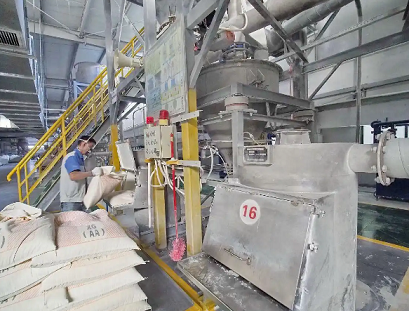
IV. Main processing equipment for a 300-ton-per-day paddy rice milling production line includes:
1. Feeding system: Used for conveying and storing paddy.
2. Cleaning equipment: Removes impurities and defective paddy.
3. Hulling machine: Dehulls the paddy.
4. Rice milling machine: Whitens the rice grains.
5. Polishing machine: Improves the smoothness of the rice.
6. Sorting equipment: Separates rice grains of different qualities.
7. Packaging equipment: Packages the finished rice.
V. The following factors need to be considered when constructing such a production line:
1. Site planning: Ensure sufficient space for equipment placement.
2. Energy supply: Meet the power requirements of the equipment.
3. Personnel training: Operators need to acquire relevant skills.
4. Cost input: Including equipment procurement, installation, and maintenance costs.
5. Environmental protection measures: Reduce dust and noise pollution.
VI. How long does it take to build a rice milling production line with a daily processing capacity of 300 tons?
The construction period is usually affected by a variety of factors, including but not limited to the following:
1. Equipment customization and procurement: Specially designed or non-standard equipment may require longer manufacturing time.
2. Site preparation: Infrastructure construction, layout planning, etc.
3. Installation and commissioning: Ensure the normal operation of all equipment.
4. Personnel training: Training for operators and maintenance personnel.
Overall, the construction period is generally several months to about one year. However, the specific time will depend on the following factors:
1. Project complexity.
2. Supplier delivery time.
3. Construction schedule and resource allocation.
4. Relevant approval procedures.
To shorten the construction period, FOTMA MILL recommends the following measures:
1. Plan ahead to ensure seamless coordination of all stages.
2. Work closely with reputable suppliers like FOTMA MILL to ensure equipment manufacturing quality and schedule meet design requirements.
3. Optimize the construction schedule to improve work efficiency.
4. Resolve potential problems promptly.
Start your project and get a free quote NOW!
Post time: Mar-08-2026