

Rice bran, a byproduct of rice processing, has an oil content of approximately 15-20%. Its fatty acid composition is well-balanced, with unsaturated fatty acids accounting for over 80%. It also contains various physiologically active components such as vitamin E, oryzanol, tocopherol, and phytosterols, making it a valuable plant oil resource. In the past, it was often used as animal feed or simply discarded, resulting in resource waste. However, with technological advancements, its resources have been fully developed and are now used for rice bran oil processing.
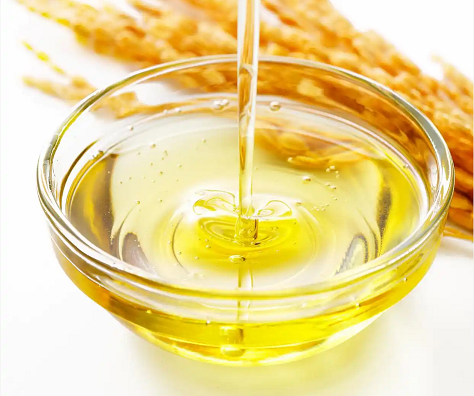
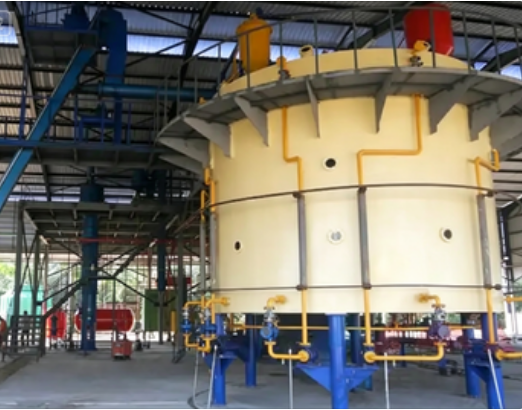
Currently, industrial rice bran oil production primarily uses solvent extraction, with a small number of oil mills opting for pressing. The advantages of solvent extraction are high efficiency and high oil yield. It can process tens or even hundreds of tons of rice bran at a time, and the residual oil in the cake after a single extraction can be controlled to within 1%. For oilseeds like rice bran with low oil content, it is a highly efficient, high-yield, and profitable oil extraction process. However, its disadvantages are also obvious: oil mills need sufficient budget and space for equipment investment. Smaller oil mills typically opt for pressing, a method that, while less efficient than solvent extraction, produces higher-quality oil that better aligns with consumer preferences. Both pressing and solvent extraction methods for rice bran oil production utilize puffing pretreatment.
Rice bran’s small particle size and low bulk density make it difficult to feed during pressing and result in insufficient pressure in the pressing chamber. During solvent extraction, this leads to high solvent penetration resistance and difficulty in filtering the mixed oil, resulting in low oil extraction efficiency. Puffing pretreatment alters the physical structure and biochemical properties of rice bran through mechanical extrusion and heat. Under high temperature and pressure, the bran passes through a die, undergoing structural reorganization and puffing into granules with good permeability. The high temperature, pressure, and mechanical shearing during puffing rupture the cell walls, releasing the trapped oil and making it easier to extract during pressing. It also deactivates lipases and lipoxidases that cause oil rancidity, improving the quality of the crude oil.
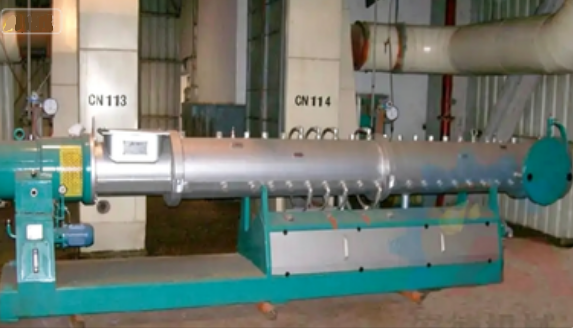
In rice bran pressing production lines, the extrusion pretreatment process, compared to traditional pretreatment processes, not only improves production efficiency but also increases oil yield, making it a commonly used pretreatment process for rice bran oil processing. Furthermore, the extrusion process can be adjusted according to the quality of the rice bran. For fresh rice bran, conventional extrusion is sufficient to obtain high-quality oil; for aged or partially rancid bran, the oil yield can be increased by adjusting the extrusion temperature and extending the pressing time. This flexibility allows the extrusion pressing process to adapt to the differences in rice bran characteristics across different regions and seasons, ensuring stable production.
Post time: Apr-16-2026