

Rice, as one of my country’s main grain crops, has its processing directly impacting its quality and nutritional value. In modern agricultural production, the rice milling machine, as the core equipment for rice processing, has undergone a revolutionary transformation from traditional manual rice milling to intelligent automated production. This article will systematically introduce the development history, technical principles, mainstream models, and key selection points of rice milling machines, presenting readers with a complete picture of rice processing technology.
I. Technological Evolution and Working Principle of Rice Milling Machines
Traditional rice milling methods mainly relied on simple tools such as stone mortars and wooden pestles, which were inefficient and resulted in a high rate of broken rice. The invention of the steam engine in the 19th century gave rise to the first generation of mechanical rice milling equipment, while modern rice milling machines adopt a standardized process of “hulling-whitening-grading.” The core working principle is to remove the rice husk (hulling) and bran (whitening) through mechanical force, while retaining the endosperm. Key technical indicators include pressure regulation in the whitening chamber, rice blade gap control, and the wind speed screening system. These parameters collectively determine the rice yield and head rice rate. According to Baidu Encyclopedia, a high-quality rice milling machine can achieve a head rice rate of over 65%, far exceeding the 45%-50% of traditional equipment.
II. Mainstream Rice Milling Machine Types and Technical Characteristics
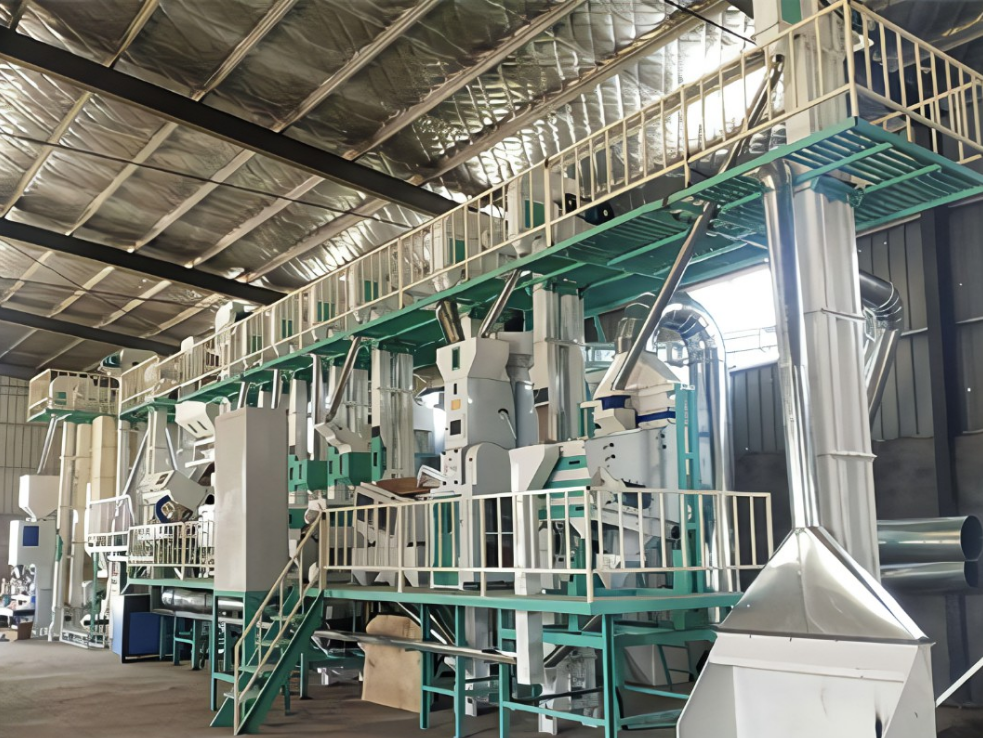
Currently, rice milling machines on the market are mainly divided into three categories: combined rice hulling equipment, separate rice milling units, and intelligent fresh rice machines. Combined rice hulling machines integrate the hulling and whitening processes into one unit. Through a combination of rubber roller hulling and sand roller whitening, they achieve one-step processing from paddy to polished rice, making them particularly suitable for small and medium-sized processing plants. Separate rice milling units adopt a modular design, with each process completed by independent equipment. Their processing capacity can reach 5-10 tons/hour, making them the preferred choice for large rice mills.
The most revolutionary type is the intelligent fresh rice machine, which has emerged in recent years. This type of equipment integrates IoT technology and a preservation system, enabling on-site milling and sales. Technical specifications of a certain brand of smart rice milling machine show that it uses low-temperature milling technology, retaining over 70% of vitamin B1 (thiamine) in rice, while ordinary polished rice retains only 20%. These machines are typically equipped with smart payment systems and remote monitoring functions, and have been deployed in over 200 communities nationwide.
III. A Practical Guide to Choosing a Rice Milling Machine
Rice milling machine prices range from 2,000-5,000 yuan for household use to 100,000-300,000 yuan for industrial-grade machines. Three key dimensions should be considered when purchasing: First, processing capacity. Home users can choose small machines with a processing capacity of 20-50 kg/h, while processing plants need equipment with a capacity of over 1 ton/hour. Second, energy efficiency. New variable frequency motors are more than 30% more energy-efficient than traditional motors. Finally, functional expandability. Models with multiple functions such as color sorting and polishing, although 20% more expensive, significantly enhance the market competitiveness of the finished rice.
It is particularly important to note that the Ministry of Agriculture and Rural Affairs’ newly revised “Safety Standard for Rice Processing Machinery” in 2024 imposes strict regulations on indicators such as equipment noise (≤85 decibels) and dust concentration (≤10mg/m³). Consumers should check the GB/T13504-2024 certification mark on the equipment when purchasing to avoid buying products that do not meet the new national standard.
IV. Technological Innovation and Industry Development Trends
Current rice milling technology is breaking through in three directions: first, precision milling technology, which adjusts milling intensity in real time through spectral detection to control the broken rice rate below 3%; second, nutrient retention technology, such as the “germ retention system” developed by Satake Corporation of Japan, which can achieve a germ retention rate of 80%; and third, intelligent upgrades, including fault early warning systems based on big data and remote operation and maintenance platforms. Industry forecasts predict that by 2026, the market share of intelligent rice milling equipment with AI recognition capabilities will exceed 40%.
V. Use, Maintenance, and Safety Standards
Proper operation and maintenance can extend the equipment’s lifespan by 3-5 years. During daily use, please note the following: Clean away any remaining rice bran after each operation to prevent clogging; regularly check the wear of the abrasive rollers, and replace them promptly when the groove depth is less than 1mm; lubricate the bearings with food-grade lubricant every 500 hours. For safety, overloading is strictly prohibited; electrical components must be dustproofed, and the grounding resistance should not exceed 4Ω.
For home users, the storage of freshly milled rice is particularly important. Experimental data shows that rice consumed within 15 days after milling retains 90% of its nutrients; it is recommended to purchase rice storage boxes with vacuum preservation functions. Processing enterprises, on the other hand, need to establish a complete HACCP system, implementing full-process temperature and humidity monitoring from raw material entry to finished product packaging.
The transformation from traditional processing to intelligent manufacturing, through technological innovation in rice milling machines, has not only improved the economic benefits of the rice industry but also redefined the standard of “fresh grain.” As consumers increasingly value nutritional value, moderate processing that retains the germ and aleurone layer will become mainstream, placing higher demands on rice milling technology. In the future, intelligent rice milling systems integrating the Internet of Things, big data, and biotechnology may reshape the entire grain supply chain from field to table. For industry practitioners, grasping technological trends and selecting equipment that meets the new national standards and has upgrade potential will be key to winning market competition.
Products Related to This Article: Rice Mill Machines

Author: Ms. Danni, over 20 years of experience in the field of grain and oil machinery.
Post time: Apr-01-2026