

No matter how the technology for 50-ton daily capacity rice processing equipment evolves, the feed inlet is almost always designed in a funnel shape. Why is this the case? What is the rationale behind this design, and what benefits does it offer for daily operations?
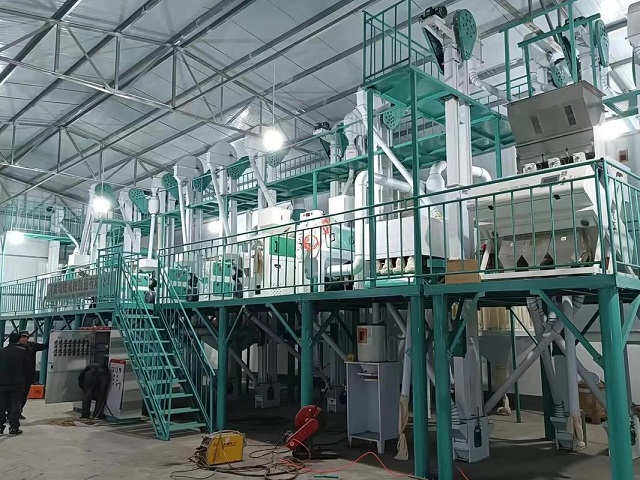
In fact, the funnel-shaped design of the feed inlet serves to prevent material from scattering or splashing outward due to external forces during the feeding process. This design not only ensures the safety of the operators but also prevents material waste caused by spillage.
To meet various production requirements, these 50-ton capacity rice processing units offer feed inlets in a range of specifications; users can select the size that best suits their specific needs. It is important to note that the equipment operates within a specific production capacity range, so the choice of feed inlet should align with actual operational conditions to avoid disrupting daily production.
Furthermore, to enhance operator safety, protective features—such as material guards—are incorporated into the feed inlet area. These mechanisms prevent operators from reaching their arms into the machine, thereby eliminating potential safety hazards.
Post time: Jul-20-2026