

Soybeans, as a globally important oilseed crop, require specialized equipment for processing. Soybean oil press equipment manufacturers are a crucial link in this industrial chain, efficiently extracting oil from soybeans while preserving nutrients through physical pressing technology. This article will guide you into the scientific world of soybean oil press equipment manufacturing from three dimensions: equipment principles, technology classification, and industry development trends.
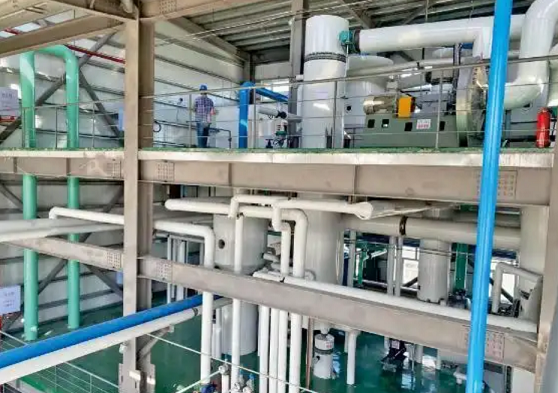
I. Core Equipment Principles: The Technological Logic of Physical Pressing
The core principle of soybean oil presses is based on physical pressing technology. Mechanical force is used to break down the soybean cell structure, separating the oil from the cells. This process can be divided into three stages: The pretreatment stage softens the soybean tissue through crushing, steaming, and roasting; the pressing stage applies pressure using a screw or hydraulic device to extract the oil from the cake; and the separation stage removes impurities through centrifugation or filtration to obtain pure soybean oil. Compared to traditional chemical extraction methods, physical pressing does not require the addition of chemical solvents, maximizing the preservation of nutrients such as vitamin E and lecithin in soybeans, meeting the demands of modern consumers for healthy diets.
II. Technology Classification: Iterative Upgrades from Traditional to Intelligent
Currently, soybean oil pressing equipment on the market is mainly divided into three categories: Screw presses generate pressure through the rotation of a screw shaft, suitable for small and medium-sized processing scenarios, characterized by simple structure and low maintenance costs; hydraulic presses utilize a hydraulic system to provide stable pressure, suitable for high-oil-content crops, with higher oil yield but lower efficiency; and intelligent integrated presses integrate IoT technology, which can monitor parameters such as temperature and pressure in real time and optimize the pressing process through algorithms to achieve automated production. For example, FOTMA MILL’s intelligent control system can automatically adjust the steaming and roasting temperature according to the soybean variety, increasing the oil yield by 5%-8% while reducing energy consumption by 20%.
III. Industry Trends: Green and High Efficiency Become Key Development Keywords
With the global emphasis on sustainable development, soybean oil pressing equipment manufacturers are facing two major transformation directions: In terms of greening, equipment manufacturers reduce carbon emissions during production by optimizing material selection (such as using food-grade stainless steel) and process design (such as waste heat recovery systems); in terms of efficiency, modular design has become mainstream, allowing users to flexibly combine equipment according to capacity requirements and shorten the installation and commissioning cycle. Furthermore, the market for small oil presses targeting home users is also growing. These machines typically feature one-button operation and automatic cleaning functions, meeting consumers’ health-conscious demand for “freshly pressed and consumed.”
From field to table, soybean oil press equipment manufacturers connect the value chain of the soybean industry. Whether it’s basic equipment ensuring food safety or intelligent technologies driving industry upgrades, their development is inseparable from in-depth exploration of scientific principles. For consumers, understanding this knowledge not only helps in choosing more suitable oil pressing equipment but also allows them to understand the technological content behind every drop of soybean oil. If you are interested in oil pressing technology, you might want to follow industry trends and explore more of the scientific mysteries of oil processing.
Post time: Apr-14-2026