

In the grain industry, rice milling remains an essential, recession-proof business. A medium-sized rice mill processing 300 tons of paddy per day, when run with smart operations and clear market positioning, can generate steady, reliable profits. Below I break down its business model, laying out a replicable profit strategy for entrepreneurs.
I. Market Demand: The Foundation of a Sustainable Mill
Rice milling sits at the heart of the agricultural supply chain. China’s annual rice consumption stays above 180 million metric tons, with over 70 percent requiring milling, grading, and packaging. A daily capacity of 300 tons fits perfectly into regional markets: covering grain-producing areas within a 100-kilometer radius, the mill only needs to source paddy from three to five mid-sized townships to run at full capacity. This scale cuts transportation costs while allowing flexible product mixes to meet diverse demand from local supermarkets, canteens, and grain retailers.
II. Profit Model: Four Layers of Revenue
1. Core Product Income
The rice yield from paddy typically ranges from 65% to 68%. Processing 300 tons per day at a procurement price of 3,000 yuan per ton produces roughly 195 tons of milled rice daily. Selling premium-grade rice at an average of 5,000 yuan per ton brings in 975,000 yuan in daily revenue. After subtracting the 900,000-yuan raw material cost, the gross profit from rice alone hits 75,000 yuan per day.
2. Byproduct Value Addition
Broken rice, about 25 tons per day, is widely used in animal feed at around 2,800 yuan per ton. Rice bran, some 30 tons daily, can be processed into rice bran oil and sold at an average of 2,000 yuan per ton. Together, these two byproducts generate 134,000 yuan in daily income, accounting for more than 12% of total revenue.
3. Cost Savings Through Scale
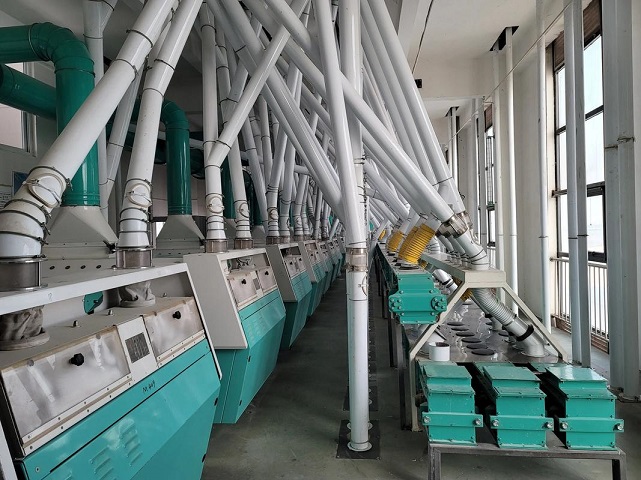
An automated 300-ton-per-day production line keeps processing costs — including electricity and labor — under 150 yuan per ton. Compared to small workshops, large-scale operations reduce per-ton processing costs by 30%, translating to annual savings of over 4 million yuan.
4. Policy Support Benefits
Grain primary processing businesses qualify for VAT exemptions, equipment purchase subsidies, and other incentives. Many regions offer financial rewards of 30 to 50 yuan per ton for mills meeting capacity standards, further boosting profit margins.
III. Operational Keys: Three Core Capabilities That Make or Break Success
Strict Quality ControlEquipped with color sorters and polishers, the mill keeps the broken rice rate below 8%. Graded packaging supports differentiated pricing: setting aside 10% of top-quality rice for branded premium sales adds a 20% to 30% price markup.
Multi-Channel Sales NetworkA three-pronged channel strategy — wholesale, retail, and custom orders — ensures stable sales: 70% of output goes to grain distributors, 20% to corporate and institutional canteens, and 10% to small-pack community retail. Long-term supply contracts with local supermarkets lock in over 30% of sales in advance.
Tight Cost ManagementStockpiling paddy during harvest season lowers procurement costs by 5% to 8%. Signing guaranteed-price purchase deals with local cooperatives secures stable raw material supplies and often brings preferential access to government orders. Adopting rice husk power generation can cut energy expenses by an extra 15%.
IV. Advantages for Investors: A Low-Risk, High-Barrier Sector
Rice milling offers the dual strengths of essential consumer demand and recession resistance. A 300-ton-per-day rice mill requires an initial investment of 8 to 10 million yuan, covering land, workshops, and machinery. At a 20% net profit margin, the payback period is roughly two to three years.Unlike catering, retail, and other volatile sectors, grain processing enjoys consistent customer demand and minimal cash-flow swings, making it ideal for long-term investors. What’s more, modern mills can build strong competitive barriers by obtaining SC food safety certifications and green food labels, avoiding cutthroat price wars.
Rice milling is far from a sunset industry. Instead, it’s a thriving sector revitalized by technological upgrades and refined management. Entrepreneurs who master large-scale production and close the loop between production and sales can build sustainable, profitable businesses. For investors seeking stable real-economy opportunities, this is not only a socially responsible way to safeguard food security but also a reliable path to steady income growth.
Post time: May-11-2026