

What are the main pieces of equipment in a rice milling plant?
Rice, also known as paddy rice, is a food made from paddy through cleaning, hulling, milling, and finishing processes. Rice is a staple food for people in most parts of my country. The rice processing process can be divided into paddy cleaning, hulling and separation of hulling byproducts (husks, grains, and brown rice), milling, and finishing. The main pieces of equipment in a rice processing plant include:
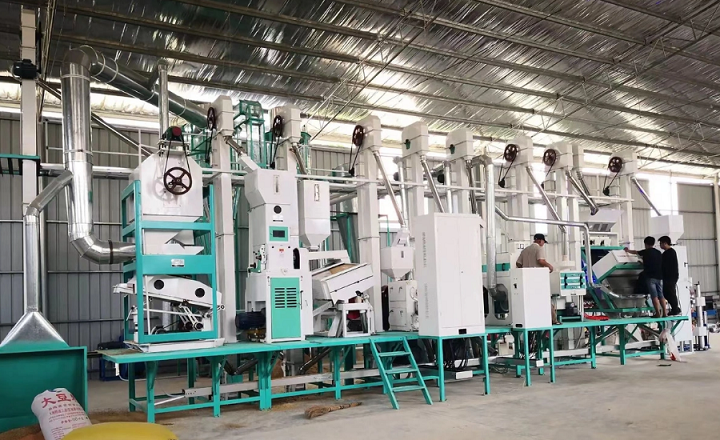
1. Gravity destoner: This is a device that uses the difference in density and suspension velocity between granular materials (paddy rice, brown rice, rice, wheat, etc.) and minerals (mainly minerals) to separate the minerals from the granular materials using mechanical airflow and a screen that moves in a reciprocating motion along a specific trajectory. It is an essential and crucial piece of equipment in the rice processing technology.
2. Rice Huller: A grain processing device that removes the husk from paddy rice to produce brown rice. It removes the outer husk, reducing grain breakage and surface damage, and preserving the brown rice as much as possible. It mainly consists of a hopper feeding device, machine head, husk separation chamber, gearbox, and frame.
3. Rice Milling Machine: Mainly composed of a fixed wrench, tightening nut wrench, brush, hopper, grinding wheel, and wire brush. It uses mechanical force to remove the husk and whiten brown rice; the equipment used is called a rice milling machine.
4. Polishing Machine: Also known as a grinder, it is often used for mechanical grinding, polishing, and waxing. The working principle is: an electric motor drives a sponge or wool polishing disc mounted on the polishing machine to rotate at high speed. Due to the combined action of the polishing disc and polishing agent, friction is applied to the surface to be polished, thereby removing paint contamination, oxide layers, and shallow scratches.
5. Color Sorter: This device automatically sorts out discolored particles from granular materials based on differences in their optical properties using photoelectric detection technology. Currently, color sorters are used in the quality inspection and grading of bulk materials, packaged industrial products, and food.
6. Packaging Machine: This machine packages products for protection and aesthetic appeal.
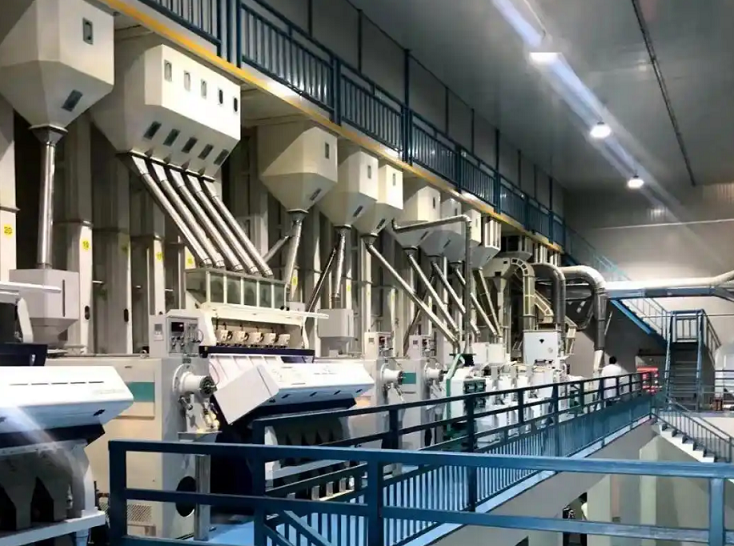
How much does a set of rice processing equipment cost? Is the investment large?
① Small-scale rice processing equipment has a capacity of 1-30 tons/day, often in a modular layout, with prices ranging from 130,000 to 400,000 yuan.
② Medium-scale rice processing equipment is generally a complete production line, with a rice processing capacity of 30-100 tons/day. Medium-scale rice processing equipment often uses an all-steel frame platform, with a short process flow and simple layout. Brown rice, germ rice, and fresh rice can be processed in any way, and rice bran and husks can be automatically separated. Rice bran can be supplied to feed mills for processing various feeds or to livestock farms for livestock feed. Prices range from 400,000 to 1,500,000 yuan. ③ Large-scale rice processing equipment has a daily processing capacity of 100-500 tons, and the equipment is arranged in a courtyard layout. The equipment platforms and civil engineering construction space within the workshop are mainly used to create a courtyard, which is beneficial for workshop lighting and construction. This arrangement offers flexibility, allowing production to be arranged flexibly according to market demand. The price of a complete set of large-scale rice processing equipment is over 2 million yuan.
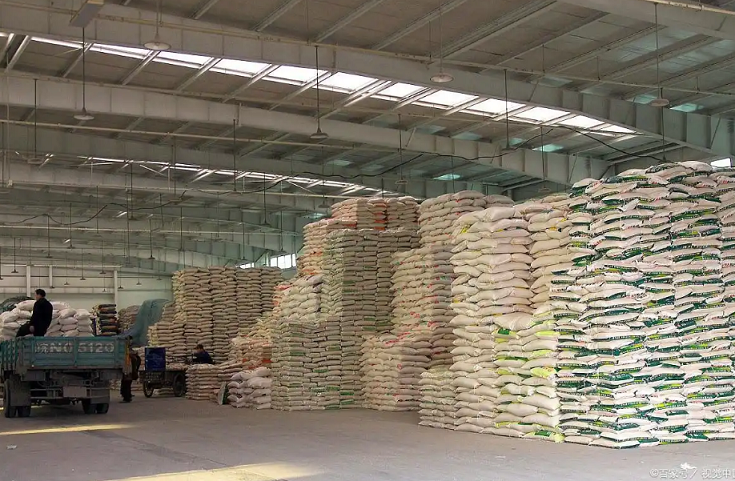
How to Design Rice Processing Equipment Rationally
Based on the requirements of paddy and finished rice products, different precision grades of finished rice can be achieved, along with environmental protection and automated control of key processes, thereby reducing production costs and equipment investment.
For example, for the three varieties “A Early Indica,” “B Late Indica,” and “C Medium Excellent,” the first two varieties have a high breakage rate, while the third variety has long, thin grains that are easily broken. The hulling stage must employ a light-pressure dehulling process and a grading process for the returned paddy; the milling stage must use a “low-temperature lifting” milling process; and the lifting equipment must also use a low-speed elevator with a low breakage rate, etc., to minimize broken rice and increase yield.
The entire rice processing equipment design process produces no wastewater, waste gas, or waste residue that could affect the environment. To address the large amount of dust generated during rice processing and to prevent dust pollution, this design employs an advanced two-stage dust removal system. Compared to conventional dust removal systems, although the installed capacity is increased, its dust removal effect is significantly better than that of conventional rice mills.
Contact us to start your project!
Post time: May-29-2026