

When purchasing a complete rice processing system, a specific output range is usually specified. While production is often stable initially, output may drop after the equipment has been in operation for some time. So, how should this decline in output be addressed?
Reasons for declining output in complete rice processing equipment and their solutions:
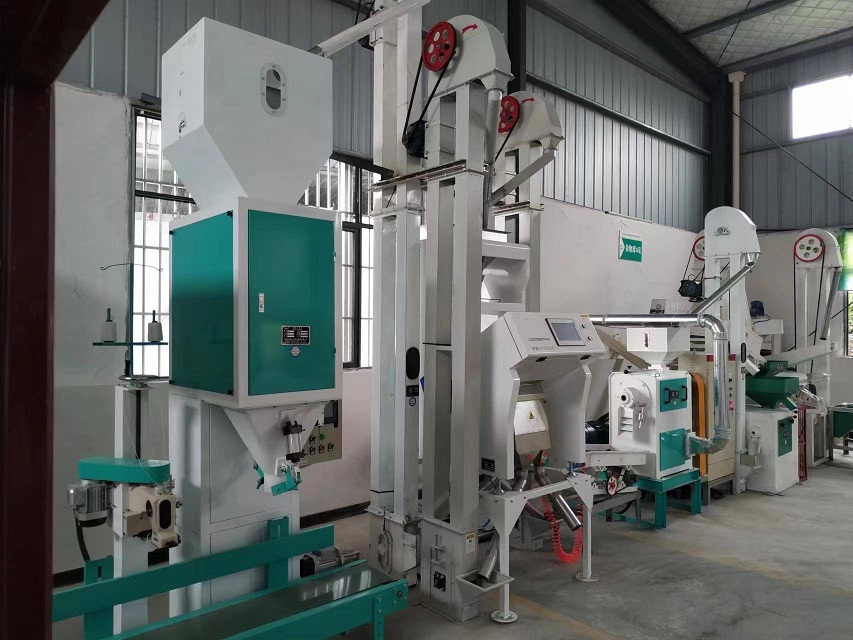
1. Excessive operating time:
The duration of operation directly affects output. Prolonged, overloaded operation severely impacts equipment performance and significantly reduces production efficiency; furthermore, overloading accelerates equipment wear and tear, further diminishing output.
2. Rising internal temperature:
As the equipment operates, internal temperatures rise, leading to increased grain size; since diffusion processes are influenced by grinding temperatures, temperature becomes a critical factor affecting output.
3. Excessive material moisture content:
High moisture content in the raw material compromises feeding uniformity and extends feeding times. Additionally, excessive feeding of wet material can cause material to clump and adhere to the mill liners or form balls inside the grinding chamber. In severe cases, this leads to a “choked mill” (overloading), forcing a shutdown to clear the blockage.
4. “Saturation” (Overloading) of the equipment:
When output drops, the first possibility to consider is “saturation” (or overloading), which is a primary culprit in reduced rice output. This condition typically arises from excessive feed rates or high moisture content in the input material, causing blockages within the equipment and a subsequent drop in production.
To address this, reduce the feed rate during operation. Make timely adjustments when the size or hardness of the input material changes, regulate the moisture content of the feed, clear any blockages in the partition plates or grate slots, and increase ventilation within the equipment’s grinding cylinder.
Post time: Jul-16-2026