

Paddy is one of the most important food crops in the world, and drying is essential after harvesting to guarantee its quality during storage and transportation. A paddy dryer is a piece of specialized equipment designed to dry paddy effectively. This article explains the working principle of the FOTMA MILL 30-ton paddy dryer and its significance in agricultural production.
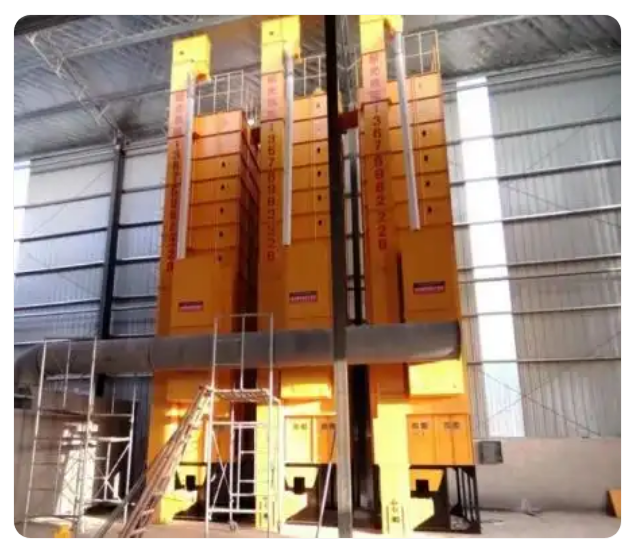
I. Working Principle
The working principle of a 30-ton paddy dryer mainly consists of two core processes: hot air conduction and humidity control.
Hot Air Conduction
The paddy dryer uses hot air to dry paddy. First, hot air is generated by a burner and delivered to the drying chamber through air ducts. Inside the drying chamber, the hot air flows through the paddy, causing surface moisture to evaporate. Meanwhile, heat from the hot air penetrates into the interior of the paddy grains, further promoting internal moisture evaporation.
Humidity Control
The paddy dryer is equipped with a humidity control system to regulate humidity inside the drying chamber. As moisture evaporates from the paddy, the humidity in the chamber rises. To maintain consistent drying quality, the humidity control system adjusts the moisture level of the hot air in real time according to changes in chamber humidity, keeping it within an optimal range.
II. Drying Process Control
In a 30-ton paddy dryer, the drying process is generally divided into a pre-drying stage and a main drying stage.
Pre-Drying Stage
During pre-drying, the temperature is relatively low. The main goal is to remove surface moisture from freshly harvested paddy. By controlling the temperature inside the drying chamber, the paddy loses a portion of its moisture in a short time, preparing it for the subsequent main drying process.
Main Drying Stage
In the main drying stage, the temperature is gradually increased, and the moisture content of the paddy steadily decreases. Hot air contacts the paddy, evaporating moisture which is then exhausted through the ventilation system. At the same time, the humidity control system dynamically adjusts the hot air humidity to ensure stable and effective drying of the paddy.
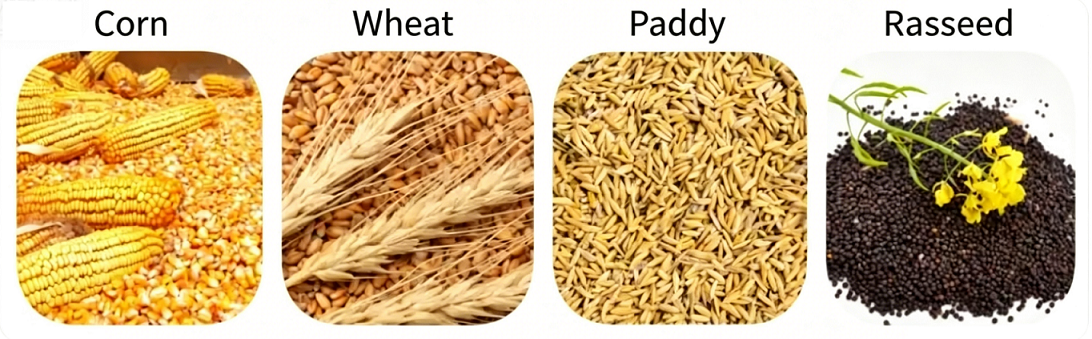
III. Importance of the 30-Ton Paddy Dryer
Paddy dryers play a vital role in agriculture, offering the following key benefits and functions:
Improved Paddy Storage Quality
Freshly harvested paddy has a high moisture content. Without timely drying, it is prone to mold growth, spoilage, and quality degradation. A paddy dryer quickly and uniformly reduces the moisture content of paddy, ensuring its storage stability and edible quality.
Enhanced Paddy Marketing and Transportation
By rapidly drying paddy to a suitable moisture level, the dryer reduces post-harvest losses during storage. Dried paddy is lighter, easier to store and transport, improving sales efficiency and economic returns for farmers.
Promoted Modern Agricultural Development
Using a grain dryer reduces farmers’ labor intensity, shortens moisture evaporation time and the overall drying cycle, and greatly improves drying efficiency. The advancement of agricultural modernization relies on intelligent machinery and equipment, and FOTMA MILL paddy dryers serve as key equipment to meet this demand.
Post time: Jun-04-2026