

Affordable Rice Whitener Machine Prices from China Manufacturers
When it comes to enhancing rice quality, I can’t emphasize enough the importance of a reliable rice whitener machine. With the right equipment, you’ll notice a significant improvement in the texture and appearance of your rice. Our top-of-the-line rice whitener machines, manufactured in China, are designed to meet various production needs while remaining cost-effective. Understanding the rice whitener machine price is crucial for any B2B purchaser like yourself. You’ll find our prices highly competitive, thanks to our efficient manufacturing process. Plus, working directly with a reputable manufacturer ensures you receive high-quality products with excellent support. Imagine cutting your processing time and boosting your profit margins with a machine that's both durable and efficient. I’m eager to discuss how our rice whitener can elevate your business, aligning perfectly with your specific requirements. Let’s connect and take your rice processing to the next level!

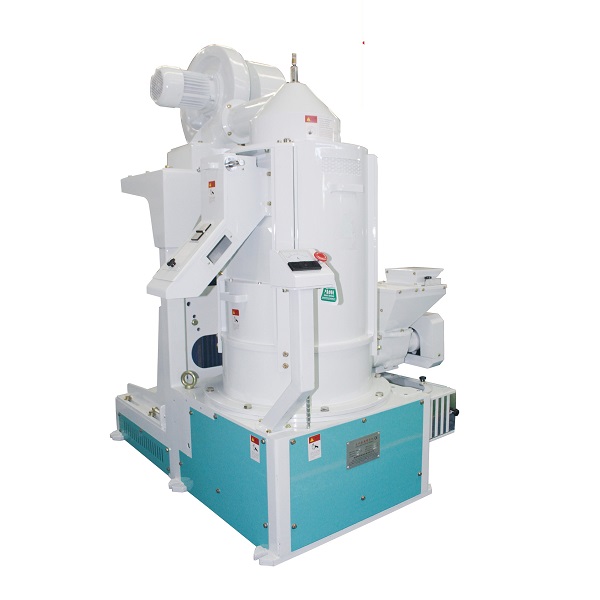
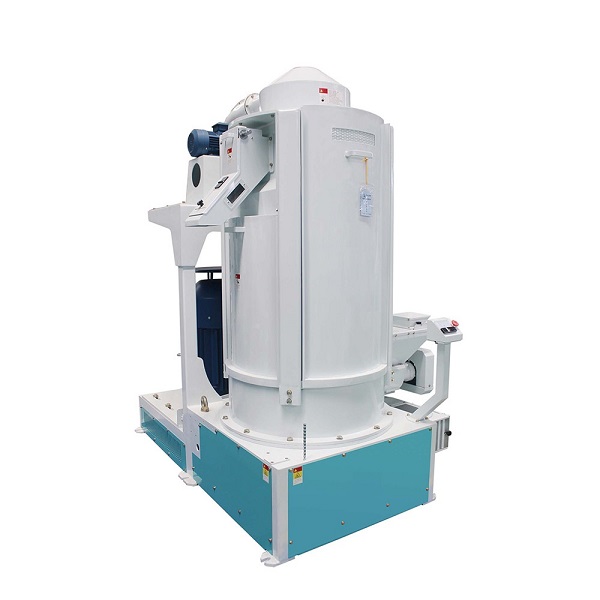
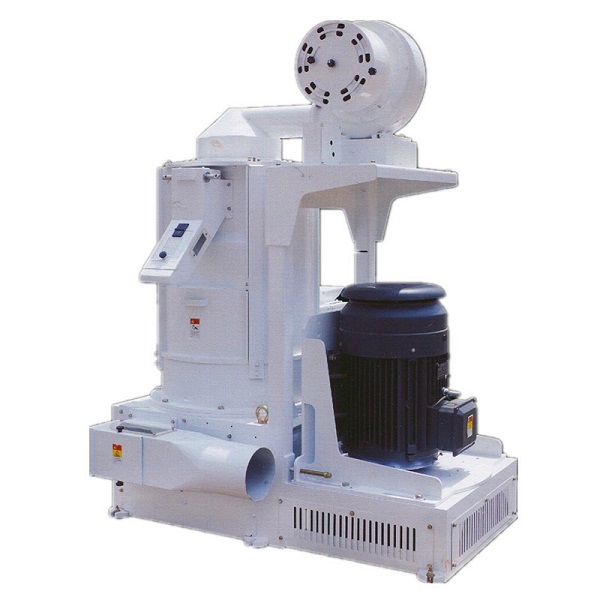
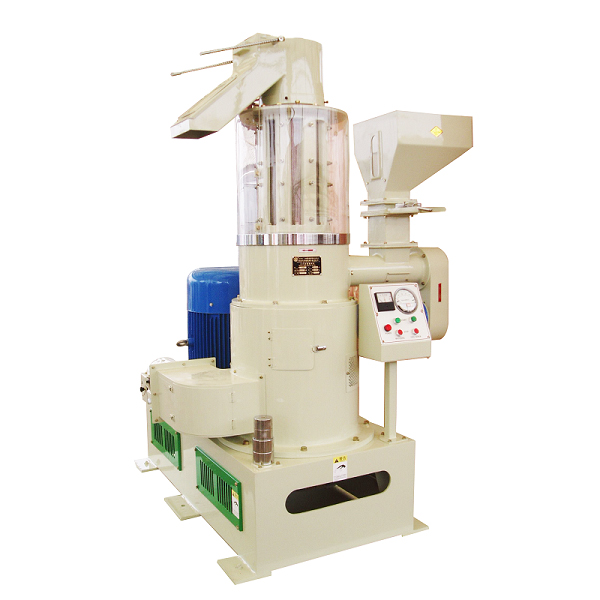
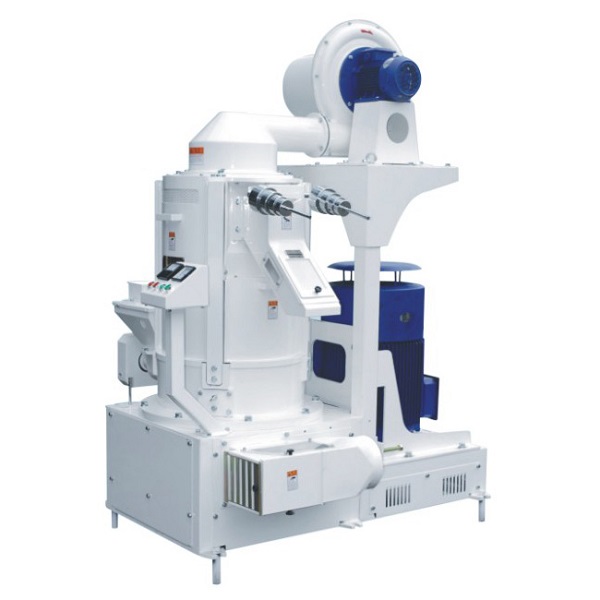
Rice Whitener Machine Price in 2025 From Concept to Delivery
As we look ahead to 2025, the rice whitener machine market is poised for significant transformation. Advances in technology are driving improvements in efficiency, quality, and overall performance of these machines. For global buyers, understanding the factors influencing the pricing of rice whitener machines is essential. Technical innovations, such as enhanced polishing mechanisms and energy-efficient designs, are likely to result in a higher initial investment. However, these innovations often translate into reduced operational costs and improved output quality, making them a worthy investment for rice processors worldwide. Moreover, fluctuations in raw material costs and economic conditions will also impact pricing. As demand for rice products expands globally, manufacturers are focusing on sustainable production practices and materials that reduce environmental impact. Buyers must consider the total cost of ownership, which includes not only the purchase price but also maintenance, energy consumption, and the potential for long-term savings. By assessing the full lifecycle costs of rice whitener machines, procurement professionals can make informed decisions that align with their operational needs and budget constraints. In preparing for future purchases, it’s crucial for buyers to engage with suppliers who not only offer competitive pricing but also provide comprehensive support and after-sales service. Establishing relationships with reliable manufacturers who understand the nuances of international trade can streamline the procurement process and ensure that businesses are equipped with the latest technology to meet consumer demands. As we transition into 2025, a strategic approach will be key to securing the best value in the rice whitener machine market.
Rice Whitener Machine Price in 2025 From Concept to Delivery
| Model | Type | Capacity (kg/h) | Power (kW) | Weight (kg) | Dimensions (L x W x H) (mm) | Warranty (months) |
|---|---|---|---|---|---|---|
| Model A | Automatic | 100 | 2.5 | 150 | 1200 x 800 x 1600 | 12 |
| Model B | Semi-Automatic | 80 | 2.0 | 130 | 1100 x 750 x 1500 | 12 |
| Model C | Manual | 60 | 1.5 | 100 | 900 x 600 x 1400 | 6 |
| Model D | Automatic | 120 | 3.0 | 180 | 1300 x 850 x 1700 | 12 |
Related Products
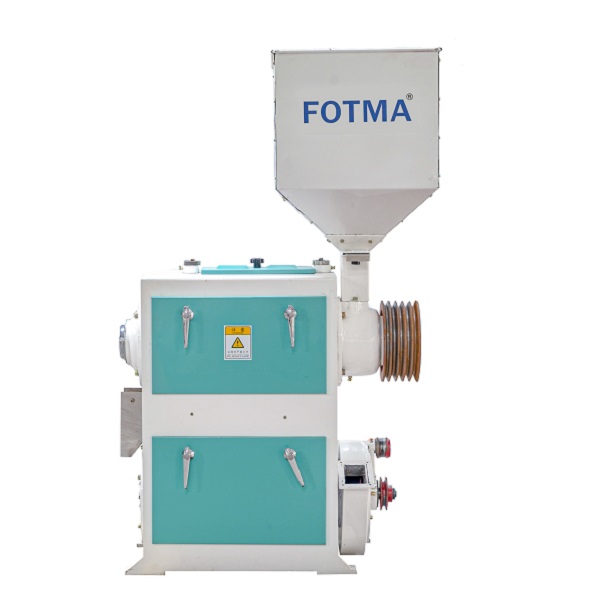
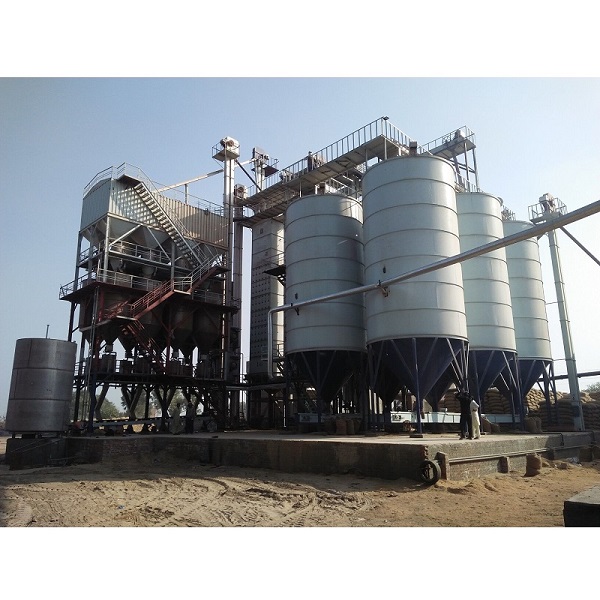
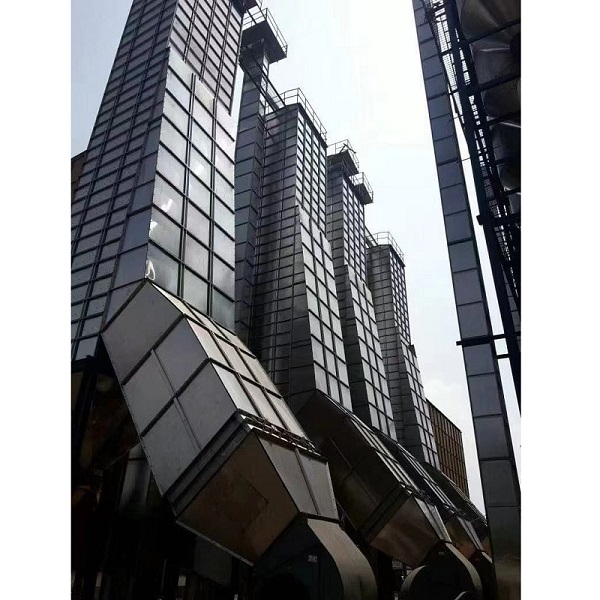

Rice Whitener Machine Price Industry Leaders Supplies the World\u2019s Top Brands
Top Selling Products


- Related Blog
- Reviews
