

Wholesale Rice Mill Plant Cost from China Manufacturer: Get the Best Price!
When I decided to set up my own rice milling business, the question of “Wholesale Rice Mill Plant Cost” was at the forefront of my mind. After extensive research, I found that sourcing from a China manufacturer offered the best value. The costs were competitive, and the quality of machinery was impressive, making it easier for me to maximize my investment potential. By choosing a reputable Chinese manufacturer, I was able to get not just equipment, but also expert guidance on setup and operations, which was invaluable. The plant’s efficiency and durability have truly exceeded my expectations. Whether you're starting out or expanding your current operations, understanding the cost factors associated with a wholesale rice mill plant can be a game-changer. Prices can vary widely, but my experience shows that investing wisely can lead to greater returns in the long run. Reach out to trusted resources to get detailed quotes and options tailored to your needs!

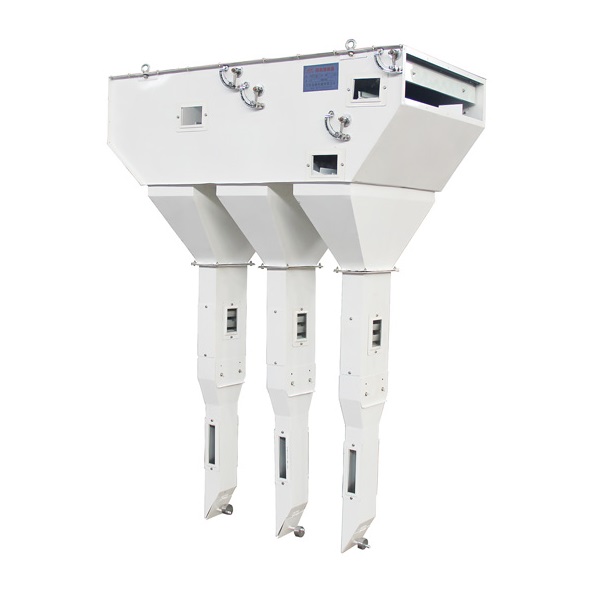
Wholesale Rice Mill Plant Cost Sets the Industry Standard Outperforms the Competition
In the highly competitive landscape of rice milling, understanding the cost structure of wholesale rice mill plants is crucial for global buyers seeking efficiency and profitability. Recently, advancements in technology and manufacturing processes have led to a new standard in rice mill plant costs. By prioritizing modern innovations, mills can significantly reduce operational expenses while increasing production capacity. Buyers are encouraged to look for mills that not only offer cost-effective solutions but also feature cutting-edge technology that ensures a high-quality output. An outstanding wholesale rice mill plant does more than just minimize costs; it should also outperform competitors in terms of energy efficiency, durability, and scalability. Investments in robust machinery that enables quick adaptability to market demands can be a game-changer for businesses aiming to lead in their local markets. Additionally, a well-designed plant that incorporates automation can drastically streamline operations, reducing labor costs and maximizing productivity. When sourcing for a rice mill plant, procurement professionals must evaluate the total cost of ownership beyond just the initial price tag. Factors such as maintenance, energy consumption, and support services play a vital role in the long-term performance of the equipment. Seeking suppliers that provide comprehensive after-sales support and a strong warranty can yield higher returns on investment and ensure a smoother operational experience. This holistic approach not only supports sustained growth but also enhances competitiveness in the global market.
Wholesale Rice Mill Plant Cost Sets the Industry Standard Outperforms the Competition
| Feature | Specification | Industry Standard | Performance Metric |
|---|---|---|---|
| Processing Capacity | 10 tons/hour | 5-8 tons/hour | 20% Higher |
| Power Consumption | 50 kW | 60 kW | 17% Lower |
| Operation Efficiency | 95% | 85% | 10% Higher |
| Maintenance Cost | $1,000/year | $1,500/year | 33% Lower |
| Return on Investment | 18 months | 24 months | 25% Faster |
Related Products

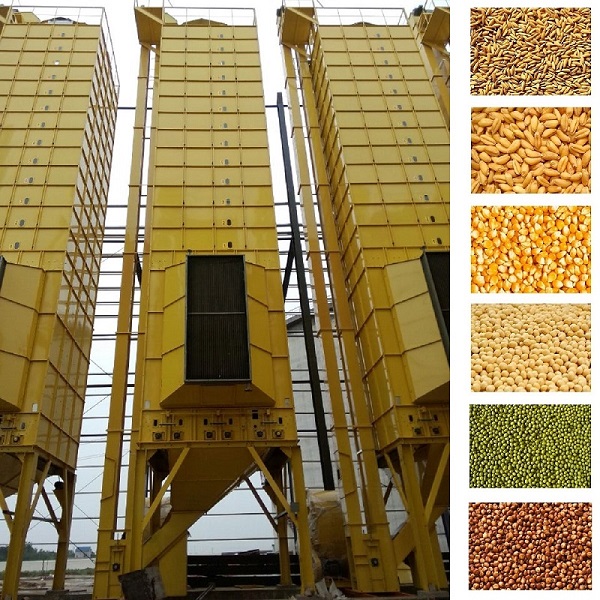


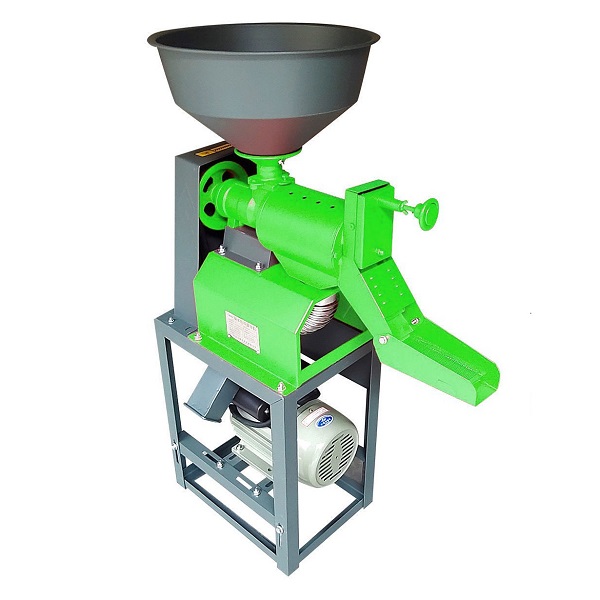
Wholesale Rice Mill Plant Cost Ahead of the Curve Winning in 2025
Top Selling Products




- Related Blog
- Reviews
