

Coconut oil, also known as coconut fat, is obtained from dried coconut meat and is a white or pale yellow fat. Dried coconut meat contains 65%-74% oil and 4%-7% water. Coconut trees grow on tropical islands or along the coast of continents.
Coconut oil is a white liquid in tropical regions, but becomes a butter-like solid in cold environments; it has a distinctive odor, and is fragrant when fresh.
The oil contains 20% free fatty acids, 2% linoleic acid, 7% palmitic acid, 9% caprylic acid, 5% liposyl acid, 10% caprylic acid, 2% oleic acid, and 45% lauric acid.
The sterols in coconut oil include 4.5% stigmasterol, 31.5% stigmasterol and fucosterol, 6% α-spinasterol and sterols, and 58% β-sitosterol.
Coconut meat contains up to 33% oil. For thousands of years, the traditional method of extracting coconut oil has been quite simple: coconut meat is shredded, boiled in water, and the oil separates and floats to the surface; this oil is then skimmed off. Another method involves squeezing coconut milk (also called coconut cream) from the shredded coconut meat and allowing it to ferment naturally for 24-36 hours. This separates the oil from the water, and the oil is then extracted and briefly heated to remove the moisture. This moderate-temperature heating method does not damage the coconut oil. There are also various other methods for extracting coconut oil, and the appearance, quality, taste, and aroma of coconut oil obtained through different methods vary.
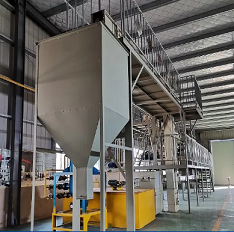
How is coconut oil extracted?
1. Coconut oil is generally extracted using a cold-pressing process. Depending on the quality requirements, it is further divided into virgin pressing, double pressing, and refining. Since the nutrients in coconut are mainly concentrated in the kernel, the outer skin of the coconut must be removed before processing. This requires drying, dehydration, and shelling. Once we obtain dried coconut, the raw material for processing coconut oil, it needs to be crushed since it’s usually a large solid block. The crushed coconut is then conveyed to a pressing mill to press it into thin sheets, which improves subsequent processing efficiency and oil yield.
2. Low-temperature pressing: The pressed coconut is then pressed at a low temperature. The crude oil obtained is directly cold-filtered and allowed to settle to become virgin coconut oil. If it undergoes further refining, it becomes refined coconut oil. Additionally, if the dried coconut becomes sour due to storage or improper harvesting time, deacidification and decolorization equipment is required.
FOTMA MILL is one of the most experienced manufacturers and suppliers of coconut oil presses in China. Welcome to purchase affordable coconut oil presses from our factory. Please contact us for details.
Post time: Apr-12-2026