

China Rice Husk Remover Machine Manufacturer for Efficient Processing
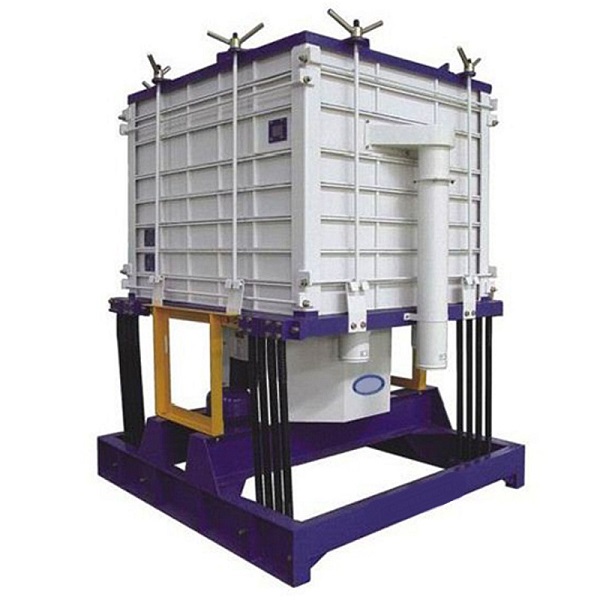
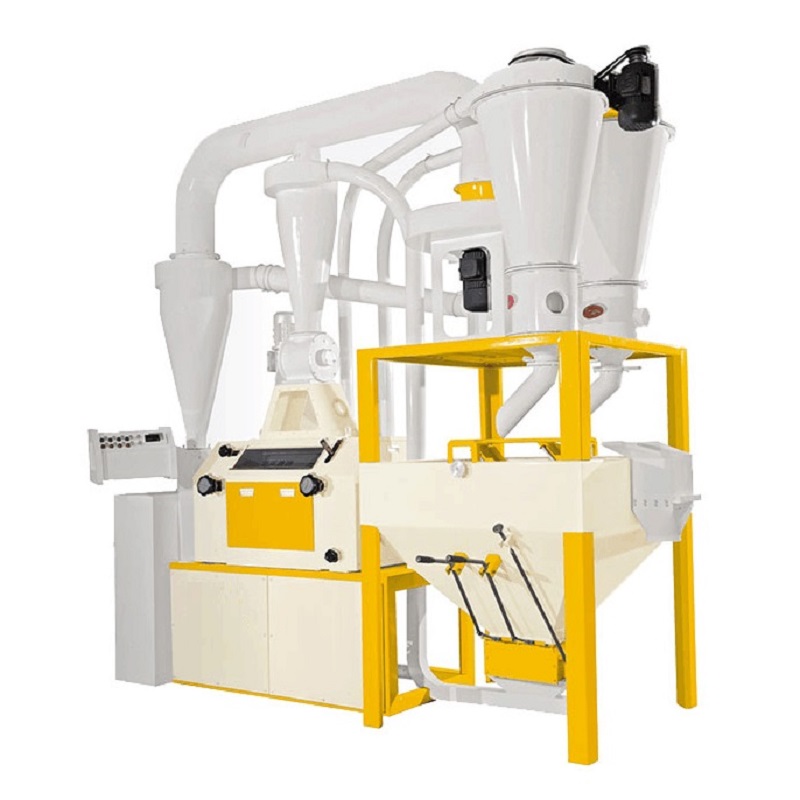
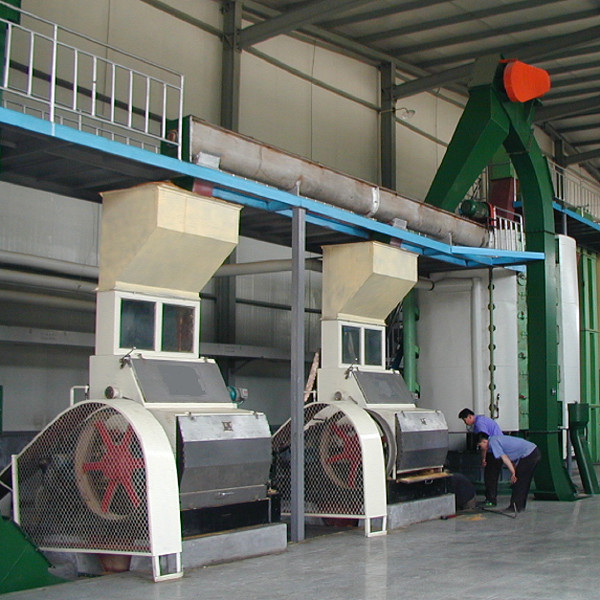
As a B2B buyer, I understand the importance of finding reliable machinery to enhance productivity. The China Rice Husk Remover Machine stands out in the marketplace, designed to efficiently separate husks from rice grains. This advanced equipment not only boosts processing speed but also ensures high-quality output. Working with a reputable manufacturer in China means you get access to cutting-edge technology and robust support. The machine’s user-friendly design makes it easy to operate, and its durability promises long-lasting performance, which is crucial for my business needs. I appreciate that the machine is engineered for energy efficiency, helping to lower operational costs while maximizing output. Plus, the competitive pricing coming directly from a trusted Chinese manufacturer means I can invest more in growing my business. If you're aiming for quality and efficiency in rice processing, this machine checks all the boxes. Let's connect and make your rice production smoother and more profitable!

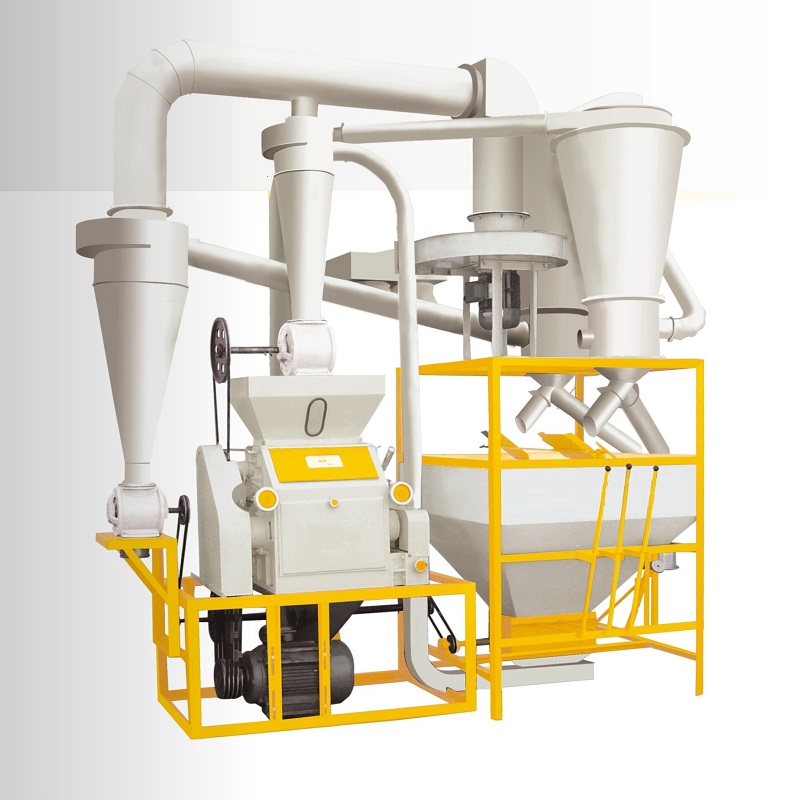
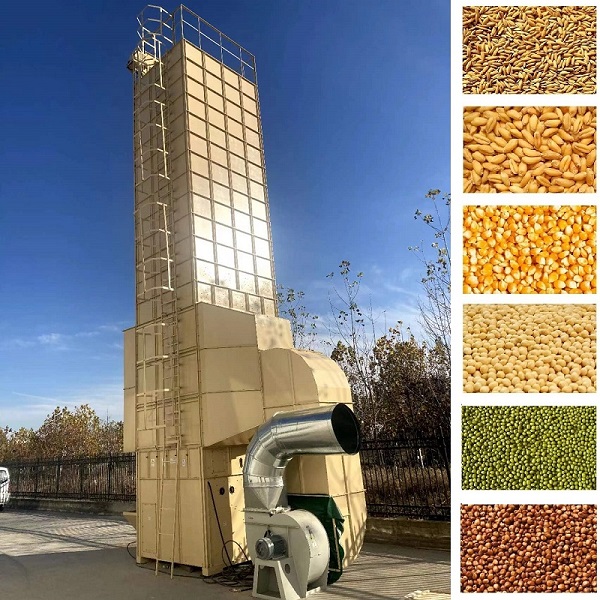

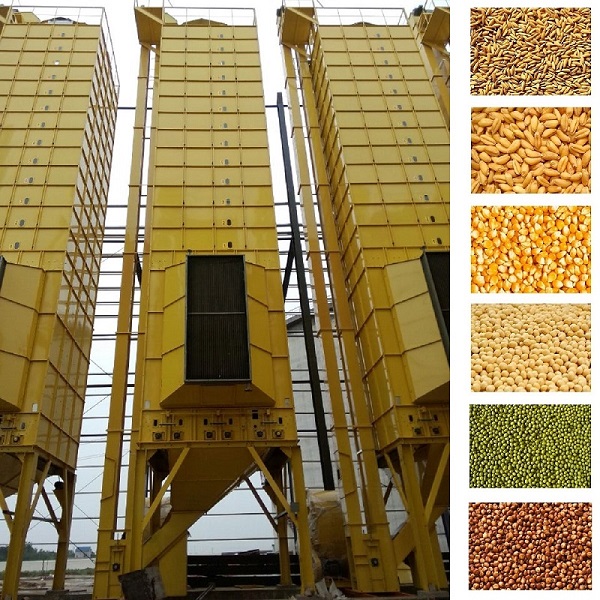

China Rice Husk Remover Machine Stands Out From Concept to Delivery
In the evolving landscape of agricultural machinery, the rice husk remover machine has become a focal point for producers aiming to enhance efficiency and reduce waste. This innovative equipment is designed to streamline the rice milling process, ensuring high-quality output while minimizing environmental impact. With its advanced technology, the rice husk remover efficiently separates husks from rice grains, which not only boosts productivity but also significantly decreases the energy consumption associated with traditional methods. What sets this machine apart is its commitment to quality from conception to delivery. The design process integrates feedback from industry professionals and end-users, allowing for a product that meets real-world needs. Rigorous testing and quality control measures ensure that each unit delivers reliable performance under varying conditions. Furthermore, its modular design allows for easy maintenance and adaptability, making it suitable for both small-scale and large-scale operations around the world. As global demand for sustainable agricultural practices grows, investing in effective rice processing equipment is crucial. This rice husk remover machine not only provides operational efficiencies but also contributes to a circular economy by repurposing husks as biomass fuel or as a raw material for other industries. With its innovative approach and commitment to sustainability, this machine presents a valuable opportunity for buyers looking to enhance their rice processing capabilities while also addressing environmental concerns.
China Rice Husk Remover Machine Stands Out From Concept to Delivery
| Feature | Description | Benefits | Application |
|---|---|---|---|
| High Efficiency | Removes rice husk effectively in a short time. | Increases production speed and saves labor. | Used in rice mills. |
| Durable Design | Made with high-quality materials for longevity. | Reduces maintenance costs. | Ideal for continuous operation. |
| User-Friendly | Easy to operate with minimal training required. | Enhances workforce efficiency. | Applicable in various milling environments. |
| Eco-Friendly | Produces minimal waste and utilizes sustainable practices. | Contributes to a greener production process. | Suitable for eco-conscious producers. |
| Customizable Options | Can be tailored to specific production needs. | Offers flexibility for different operations. | Useful in diverse agricultural settings. |
Related Products
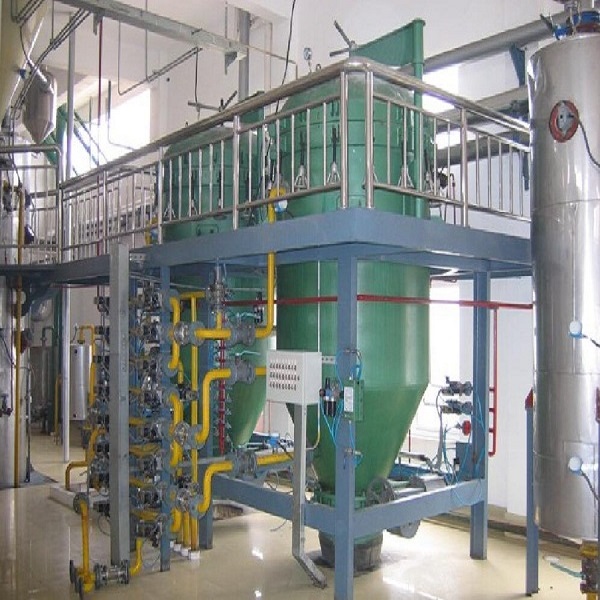

China Rice Husk Remover Machine Market Leader Where Service Meets Innovation
Top Selling Products


- Related Blog
- Reviews
