

Top China Manufacturer of Fully Automatic Rice Mill Plant Solutions
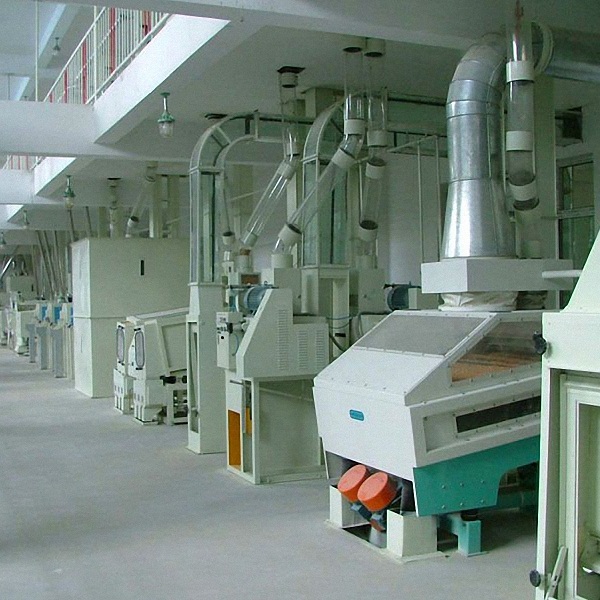
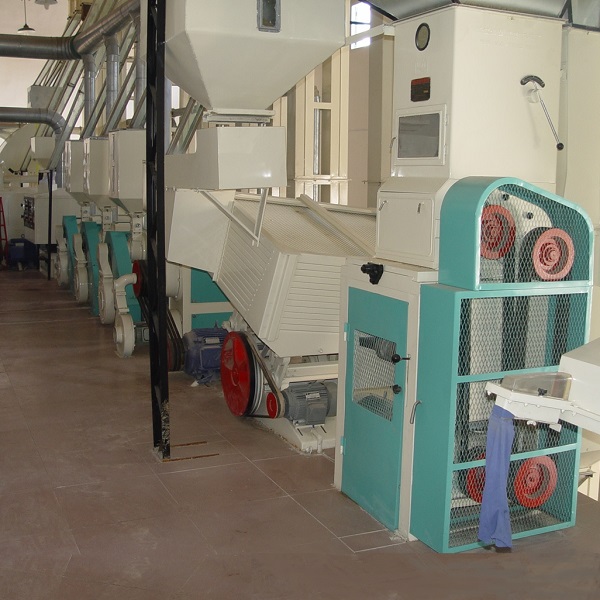
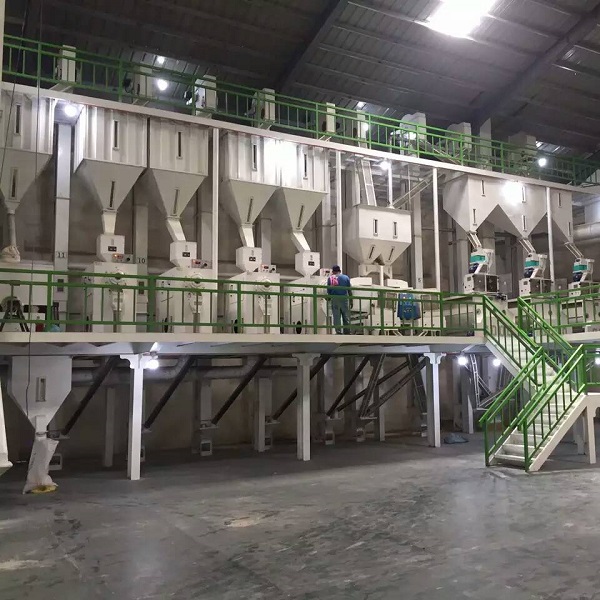
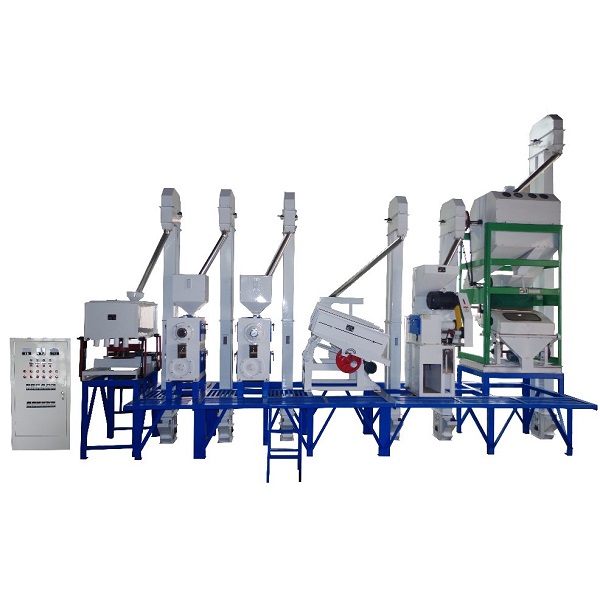
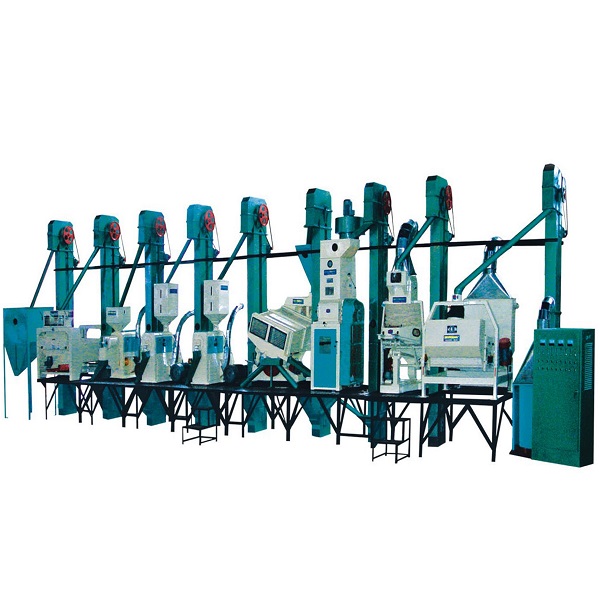
When I think about efficiency and quality in rice processing, the Fully Automatic Rice Mill Plant stands out. Manufactured in China, this state-of-the-art plant is designed to meet the demands of large-scale rice production. I’ve seen how it streamlines the milling process, significantly reducing labor costs and time, all while maintaining the highest quality of rice. With advanced technology, it automates each step—from husking to polishing—allowing for consistent output and minimal waste. As a B2B purchaser, you’ll appreciate how our plant's reliable performance can increase your operational efficiency and profitability. Choosing a reputable manufacturer from China ensures you get the best materials and support. Investing in this Fully Automatic Rice Mill Plant means you’re not only enhancing your production capabilities but also positioning your business for future growth in a competitive market. Let’s take your rice milling operations to the next level!
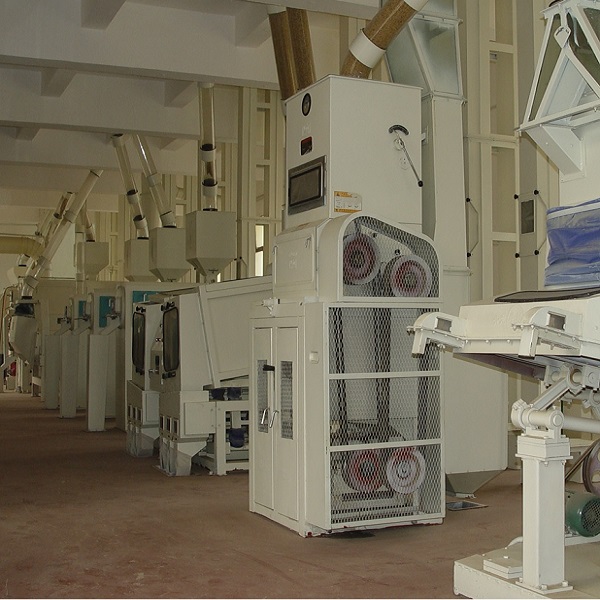
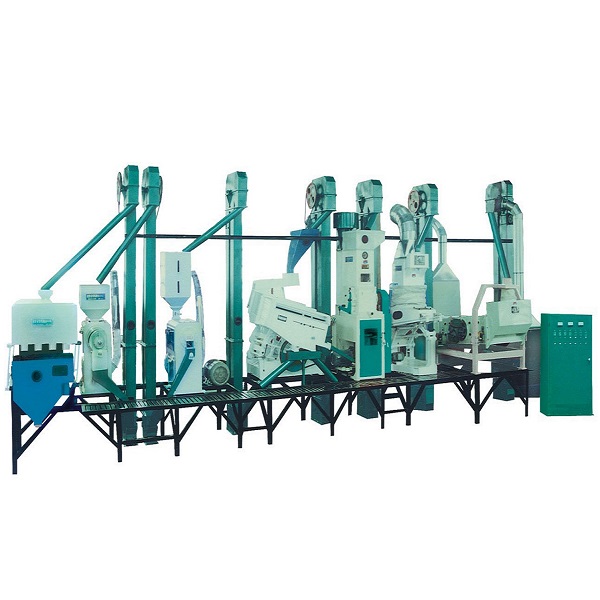
Fully Automatic Rice Mill Plant Leads the Global Market Factory-Direct Excellence
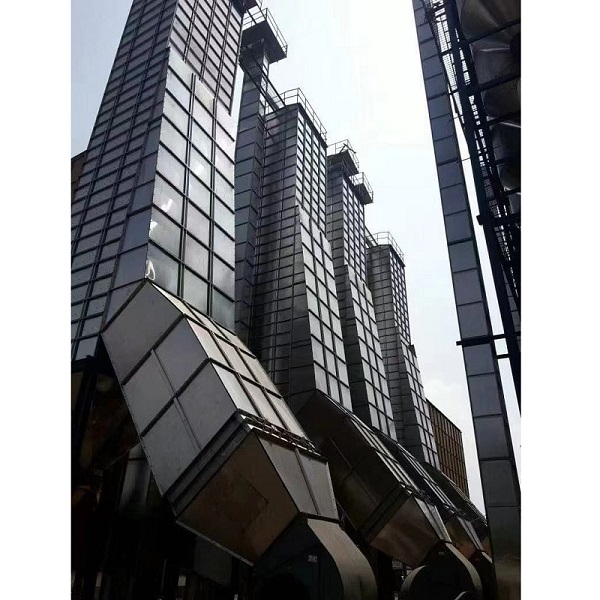
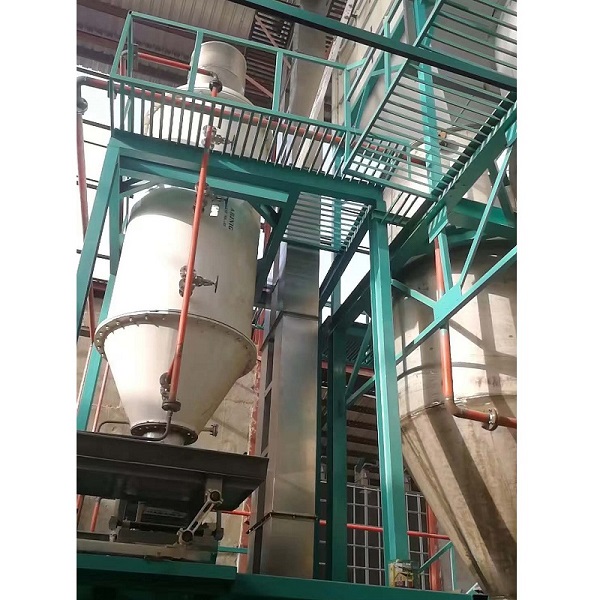
In the dynamic landscape of rice production, fully automatic rice mill plants are at the forefront of efficiency and innovation, setting benchmarks for quality and performance in the global market. These state-of-the-art systems are engineered to streamline the entire milling process, from paddy processing to the final packaging of rice, ensuring minimal loss and maximum yield. The integration of advanced technology allows for precise monitoring and control, significantly reducing labor costs while enhancing productivity. This automation not only meets the increasing demands of global consumers but also promotes sustainable practices within the industry. For global buyers looking to invest in rice milling solutions, understanding the benefits of fully automatic plants is crucial. These facilities are designed with user-friendly interfaces and innovative features that enable seamless operation and maintenance. Coupled with reliable after-sales service, they promise a return on investment that appeals to stakeholders across various regions. Beyond operational excellence, these plants contribute to improved product quality and consistency, nurturing brand loyalty among consumers who seek the best rice products. As the market continues to evolve, procurement strategies must align with cutting-edge technological advancements. Embracing fully automatic rice mill plants not only secures a competitive edge in product offerings but also fosters partnerships that drive growth in the global rice trade. Investing in such technology is a forward-thinking decision that positions businesses to thrive in an ever-changing environment, catering to the needs of consumers and enhancing the overall efficiency of the rice supply chain.
| Model | Production Capacity (kg/h) | Power Consumption (kW) | Dimension (m) | Weight (kg) | Automation Level |
|---|---|---|---|---|---|
| Rice Mill A | 100 | 75 | 6 x 2 x 3 | 1500 | Fully Automatic |
| Rice Mill B | 150 | 90 | 7 x 2.5 x 3.5 | 1800 | Fully Automatic |
| Rice Mill C | 200 | 110 | 8 x 3 x 4 | 2200 | Fully Automatic |
| Rice Mill D | 250 | 130 | 9 x 3.5 x 4.2 | 2500 | Fully Automatic |
Related Products
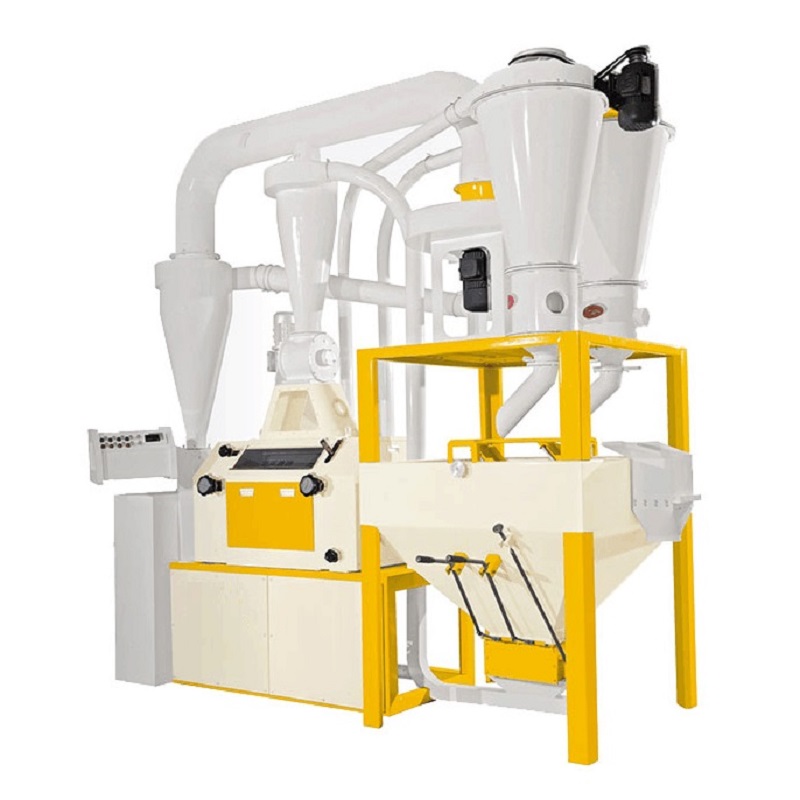
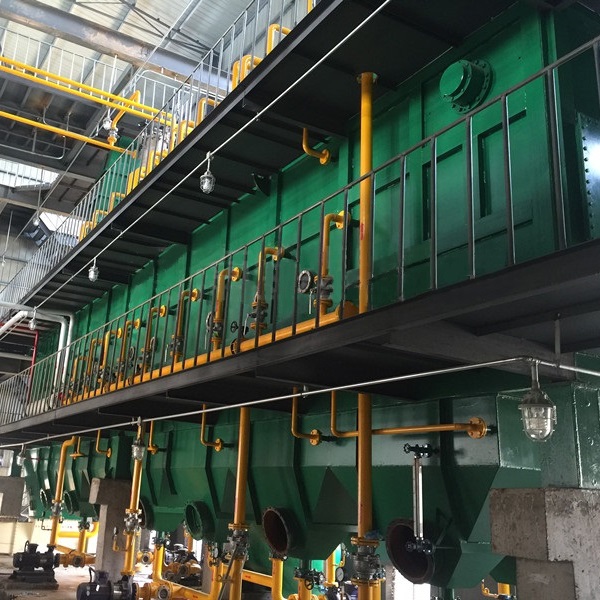
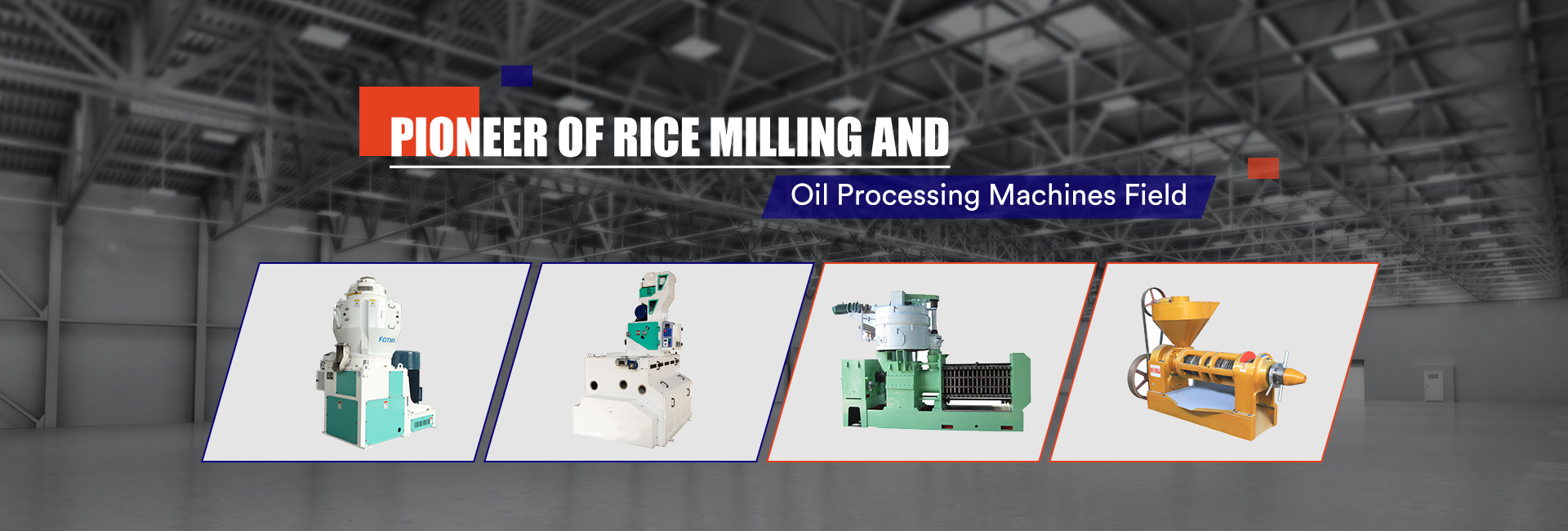
Fully Automatic Rice Mill Plant Supplier Supplies the World\u2019s Top Brands
Top Selling Products



- Related Blog
- Reviews
