

Modern Rice Milling Plant Products from Leading China Manufacturers
At our modern rice milling plant, quality and efficiency are at the forefront of what we do. As a trusted manufacturer based in China, we pride ourselves on delivering state-of-the-art milling solutions that cater to the needs of B2B purchasers like you. My experience in this industry assures you of a reliable supply chain and cutting-edge technology. Our systems help optimize rice processing, enhancing yield while minimizing waste—perfect for businesses aiming to grow. We understand the dynamics of your market and strive to provide machinery that matches your specific requirements. From automated features to energy-efficient designs, each product is meticulously engineered to maximize productivity. Whether you're a small distributor or a large-scale exporter, our modern rice milling plant products can be tailored to fit your operations seamlessly. Partnering with us means investing in quality that translates to profit. Let’s work together to elevate your rice milling business to new heights!
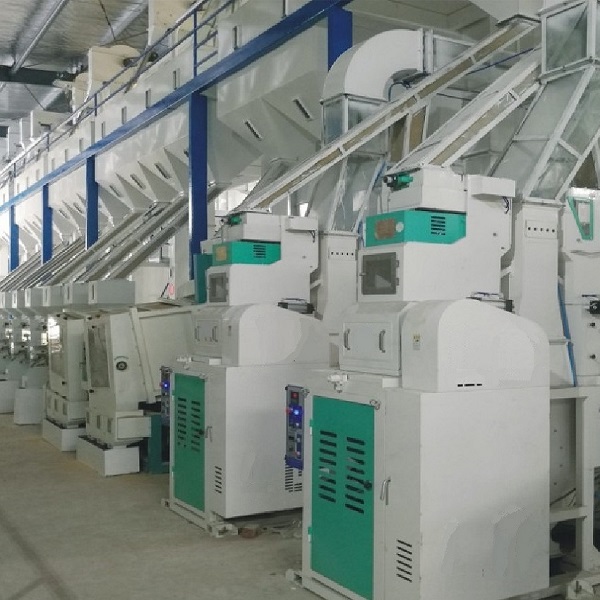
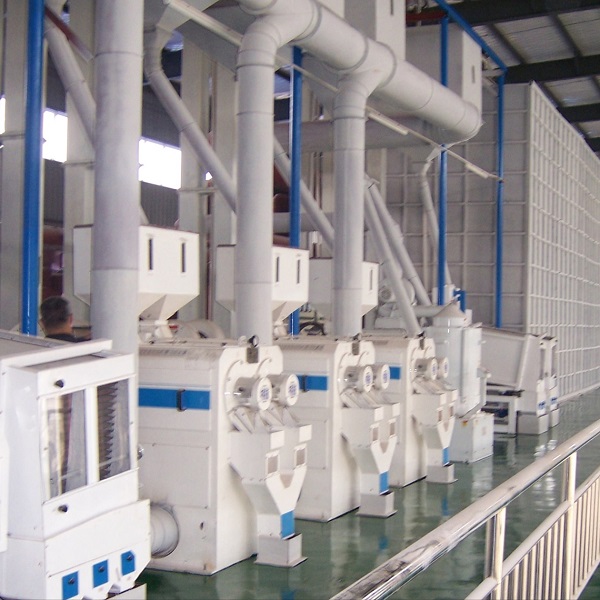
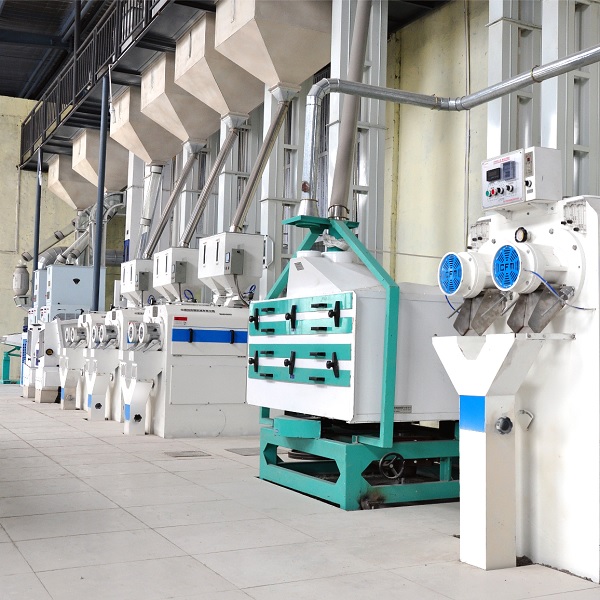
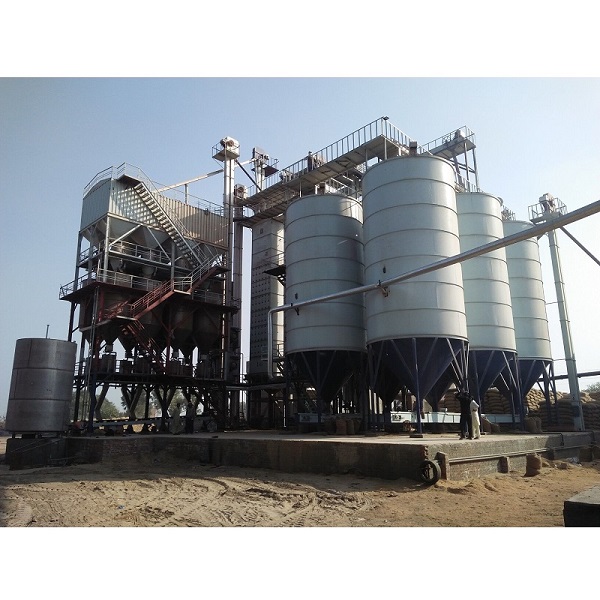


Modern Rice Milling Plant Product Market Leader Sets the Industry Standard
In the competitive landscape of rice milling, navigating the challenges of efficiency, sustainability, and quality is paramount. The modern rice milling plant serves as a vital backbone of the agricultural economy, turning raw paddy into a market-ready product. As the global demand for rice continues to rise, the need for advanced milling technologies that streamline processes and enhance output becomes increasingly important. Industry leaders are setting new benchmarks by embracing innovation and incorporating cutting-edge machinery that not only boosts productivity but also maintains the nutritional quality of the rice. Today’s market leaders understand that the success of a rice milling operation hinges on the integration of reliable technology and effective management practices. From the initial cleaning and husking to the final polishing and packaging, each step in the milling process is critically important. By utilizing state-of-the-art milling equipment, producers can ensure optimal processing, reduce waste, and improve overall efficiency. Furthermore, the adoption of sustainable practices is becoming a vital selling point, as consumers and businesses alike seek eco-friendly products. Investing in modern machinery aligns with the global trend towards sustainability, supporting not only environmental goals but also meeting the expectations of a more conscious consumer base. As global markets continue to evolve, establishing partnerships with trusted suppliers who offer innovative solutions is essential for success in rice milling. Quality assurance, technological advancements, and a commitment to excellence are traits that discerning buyers should look for when considering potential business relationships. By aligning with industry pioneers who prioritize these values, purchasing agents can ensure they are well-equipped to meet demand, outperform competitors, and drive long-term growth in the rice milling sector.
Modern Rice Milling Plant Product Market Leader Sets the Industry Standard
| Product Type | Production Capacity (tons/hour) | Energy Consumption (kWh/ton) | Technology Standard | Market Share (%) |
|---|---|---|---|---|
| Automatic Rice Mill | 2.5 | 65 | ISO 9001 | 35 |
| Mini Rice Mill | 0.5 | 75 | CE Certified | 15 |
| Compact Rice Mill | 1.0 | 70 | ISO 14001 | 25 |
| High-Efficiency Rice Mill | 3.0 | 60 | ISO 50001 | 25 |
Related Products



Modern Rice Milling Plant Product Trusted by Pros Where Service Meets Innovation
Top Selling Products


- Related Blog
- Reviews
