

Multi Pass Rice Mill Manufacturer in China for High-Quality Output
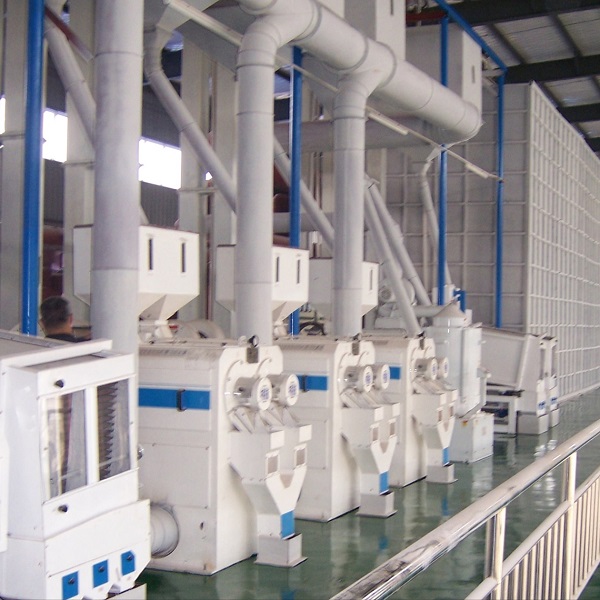
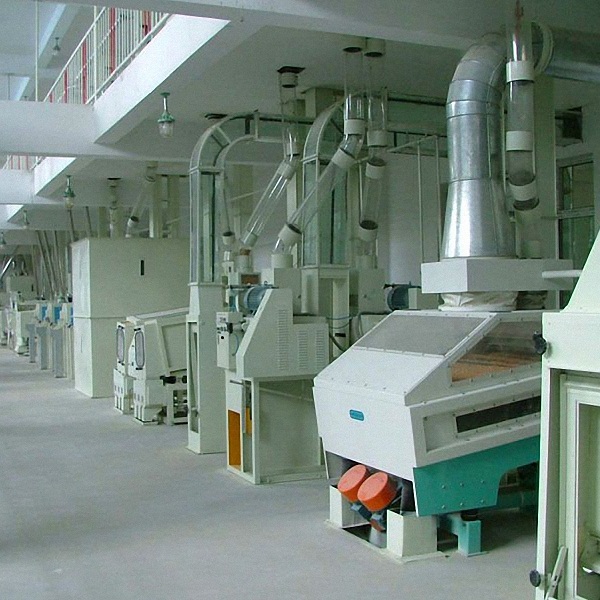
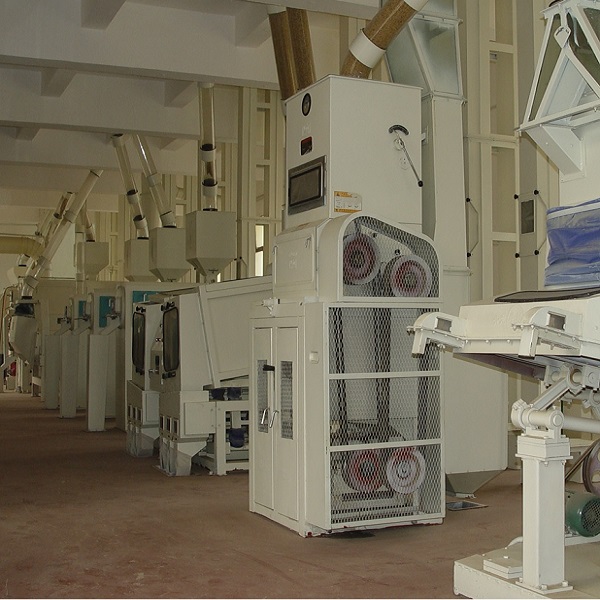
When I think of efficiency in rice milling, the Multi Pass Rice Mill stands out as a game-changer. This innovative machine is designed specifically for those in the B2B market, making it an ideal choice for manufacturers in China. With its advanced technology, I can assure you that the milling process is streamlined, ensuring maximum yield and minimal breakage of grains. The Multi Pass Rice Mill not only enhances productivity but also maintains the quality of the rice. Investing in this equipment means you’re choosing reliability and durability, essential traits for any manufacturing operation. Whether you're scaling up production or just starting, this mill fits perfectly into any workflow, making it a must-have for serious rice producers. Let’s not forget about the cost-efficiency it brings; long-term savings are a crucial aspect I always keep in mind as a B2B purchaser. Choosing the right mill can redefine your rice production goals. Don’t miss out on this opportunity!
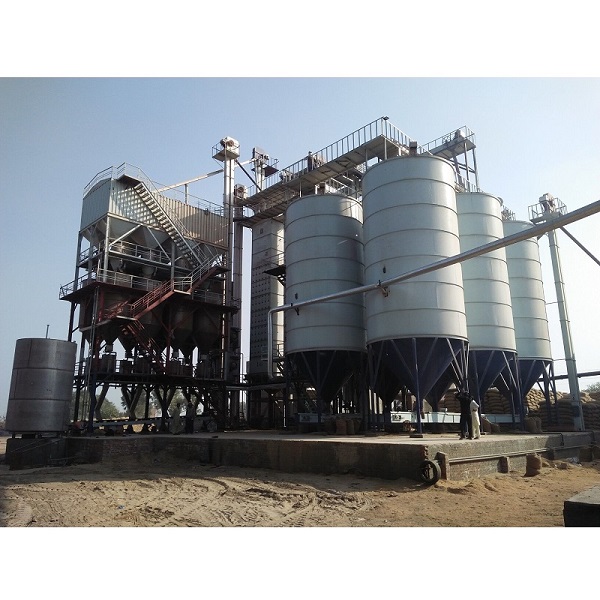

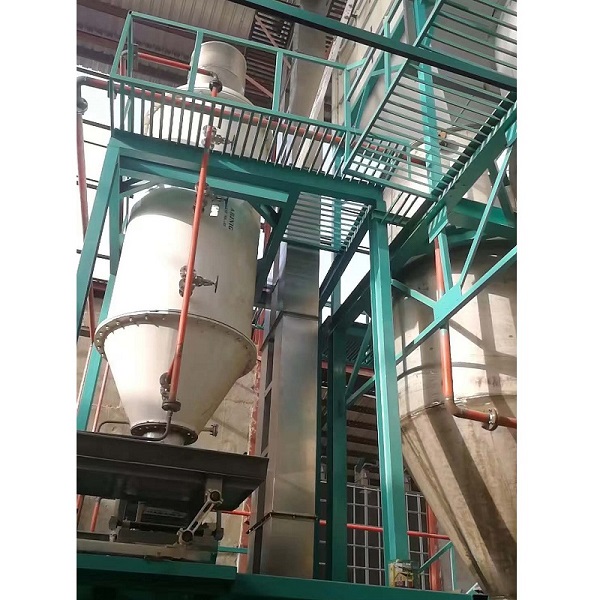


Multi Pass Rice Mill in 2025 For the Current Year
As we look ahead to 2025, the multi-pass rice mill stands out as a pivotal technology for rice production across the globe. This advanced milling system is designed to enhance efficiency and yield, addressing the increasing demands of the rice market. With a focus on reducing waste and maximizing the quality of the final product, the multi-pass design ensures that the rice is milled in several stages, allowing for optimal extraction of the bran and hull while preserving the nutritional integrity of the grain. Investing in cutting-edge milling technology not only boosts productivity but also meets the evolving standards of rice quality demanded by consumers. With the rising population and the corresponding need for food security, modern multi-pass rice mills are essential for operators aiming to remain competitive. They offer customizable options to cater to different scales of production, making it feasible for both large-scale operations and smaller artisanal mills. Furthermore, the integration of smart technology into these milling systems allows for real-time monitoring and adjustments, leading to enhanced operational efficiency. As we approach 2025, embracing innovative solutions like the multi-pass rice mill will be critical for producers wishing to optimize their processes, improve profitability, and contribute to sustainable agricultural practices. The future of rice milling is undoubtedly bright, and those who adapt to these advancements will be well-positioned to thrive in a competitive global marketplace.
Multi Pass Rice Mill in 2025 For the Current Year
| Metric | Value |
|---|---|
| Annual Production Capacity | 100,000 tons |
| Number of Processing Units | 5 |
| Average Processing Time | 40 minutes per batch |
| Energy Consumption | 500 kWh per ton |
| Labor Force | 50 employees |
| Maintenance Frequency | Monthly |
| Estimated Reduction in Waste | 15% |
Related Products
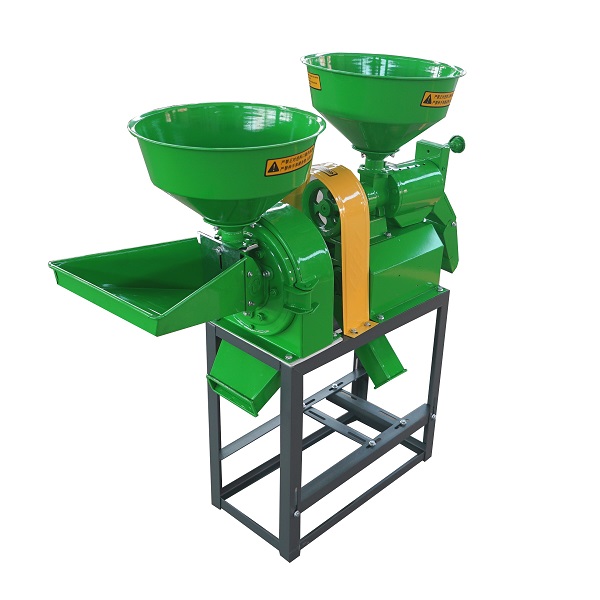

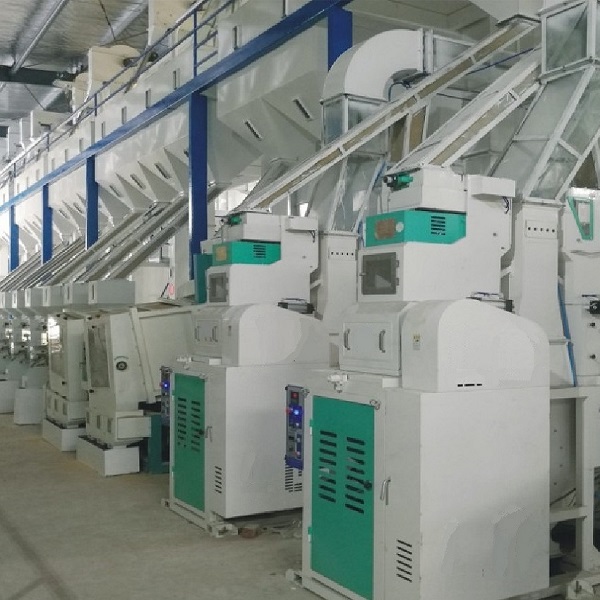

Multi Pass Rice Mill in 2025 Your End-to-End Solution
Top Selling Products


- Related Blog
- Reviews
