

China Fully Automatic Rice Mill Plant Cost by Leading Manufacturer
At our company, we understand that investing in a China Fully Automatic Rice Mill Plant is a significant decision for any business. That's why we offer highly competitive pricing to ensure you get the best value for your investment. Being a leading manufacturer in this sector, we provide state-of-the-art technology that enhances efficiency and maximizes output. Our fully automatic rice mill plants are designed to streamline your production process, minimizing labor costs while ensuring high-quality rice output. Plus, with our expert guidance, you can navigate the setup process smoothly. If you’re in the market for a reliable and cost-effective solution, our plant costs are tailored to fit a range of budgets without compromising on performance. Contact us today and let's discuss how we can help you take your rice milling business to the next level with our advanced technology and competitive pricing.
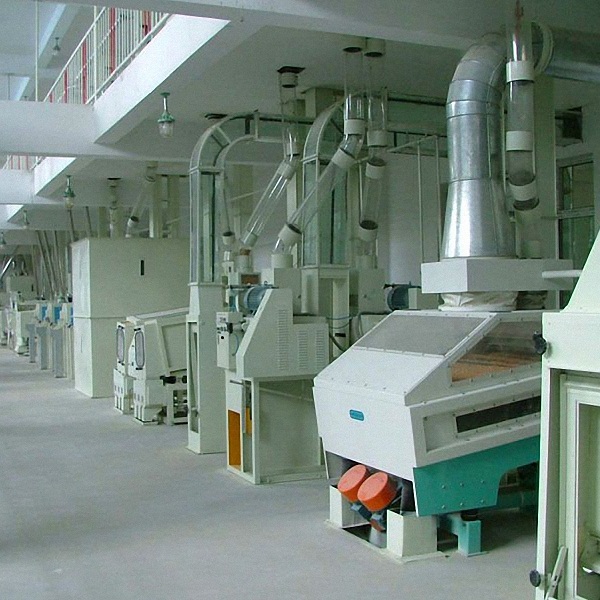
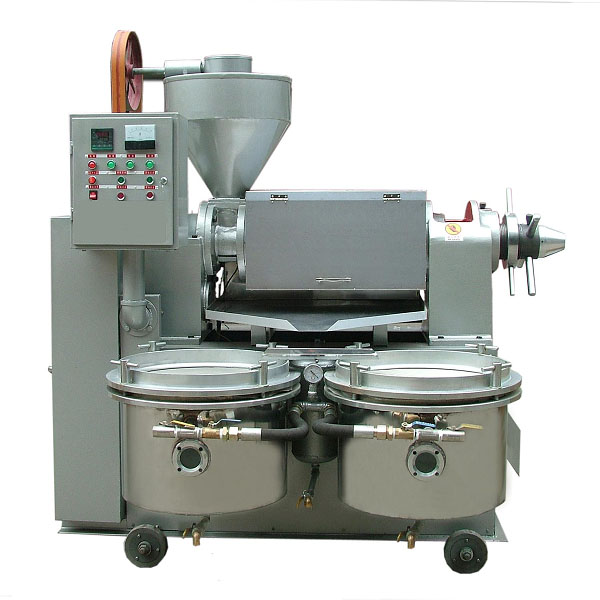

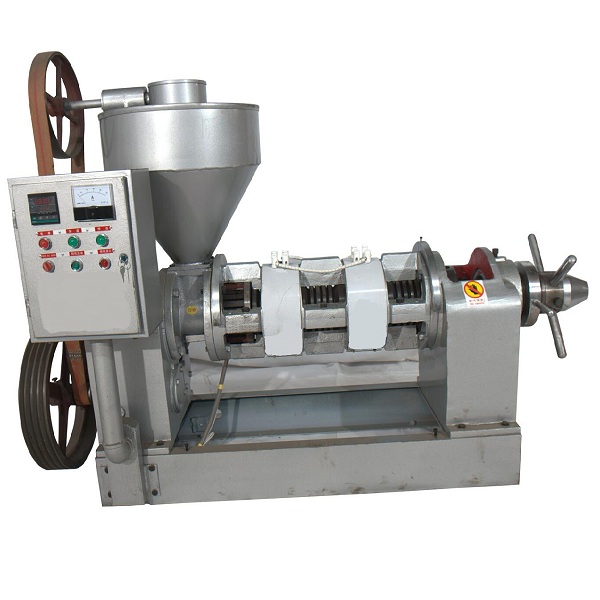
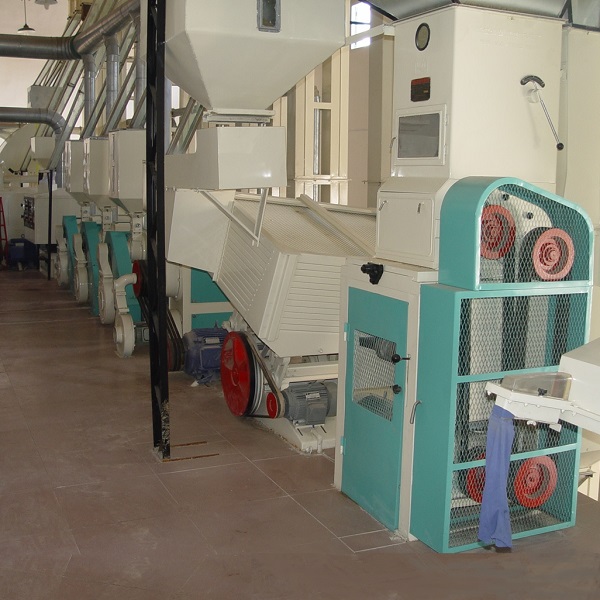
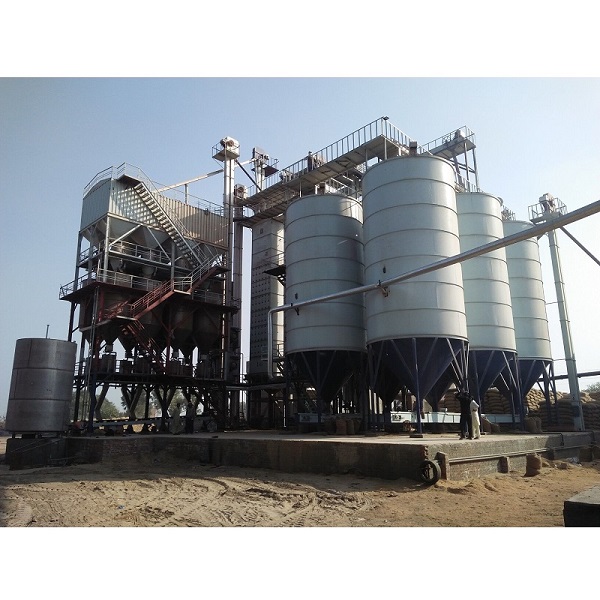
China Fully Automatic Rice Mill Plant Cost Industry Giant Custom Solutions,
When considering the establishment of a fully automatic rice mill plant, the cost and customization options are major factors for global buyers. Modern rice milling technology has progressed significantly, enabling efficient production while minimizing labor costs. The integration of automation allows for streamlined processing, thus optimizing resource use and enhancing the overall quality of the final product. As demand for rice continues to grow, investing in a comprehensive mill solution can provide a competitive edge in the market. Global buyers should look for suppliers who offer tailored solutions to match specific production requirements and local conditions. A well-configured rice mill can significantly reduce operating costs through efficient machinery and intelligent processing control. Factors such as plant design, equipment selection, and supplier support are crucial in determining the overall investment. Collaborative designs can lead to better capacity adjustments, waste reduction, and improved yield. As the industry evolves, sustainability and energy efficiency are becoming paramount. Procurement strategies that prioritize eco-friendly technologies will not only comply with international regulations but also appeal to environmentally conscious consumers. By investing in state-of-the-art rice mill plants tailored to specific needs, buyers can enhance their market position, ensure long-term profitability, and contribute to sustainable practices in rice production.
China Fully Automatic Rice Mill Plant Cost Industry Giant Custom Solutions
| Feature | Specification | Application | Output Capacity | Energy Consumption |
|---|---|---|---|---|
| Rice Mill Machine | 100TPD | Commercial Cooking | 100 Tons/Day | 200 kWh |
| Destoner | Gravity Separation | Pre-Cleaning | 100 Tons/Day | 150 kWh |
| Rice Seeder | Mechanical Seeder | Field Farming | 20 Acres/Day | 100 kWh |
| Polisher | High-Efficiency | Finishing | 90 Tons/Day | 50 kWh |
| Packaging Machine | Automatic Packager | Storage & Distribution | 200 Bags/Hour | 75 kWh |
Related Products



China Fully Automatic Rice Mill Plant Cost Exceeds Industry Benchmarks More Than a Supplier - A Partner
Top Selling Products


- Related Blog
- Reviews
