

Top Combined Rice Mill Factory in China - Leading Manufacturer Solutions
When it comes to efficient rice processing, I understand the importance of a reliable Combined Rice Mill Factory. As a manufacturer based in China, we specialize in state-of-the-art rice milling solutions designed to enhance productivity and quality. Our mills combine several processes into one compact system, making it easier for you to manage and scale your operations. I appreciate the challenges you face in sourcing quality equipment, and that’s why our milling machines are engineered to deliver superior performance and durability. With our user-friendly design, you can optimize your workflow and ensure minimal downtime. I’m proud to offer tailored solutions that meet the unique needs of your business. By choosing our Combined Rice Mill Factory, you're not just investing in equipment; you're investing in a partner committed to your success. Let’s take your rice processing capabilities to the next level together!


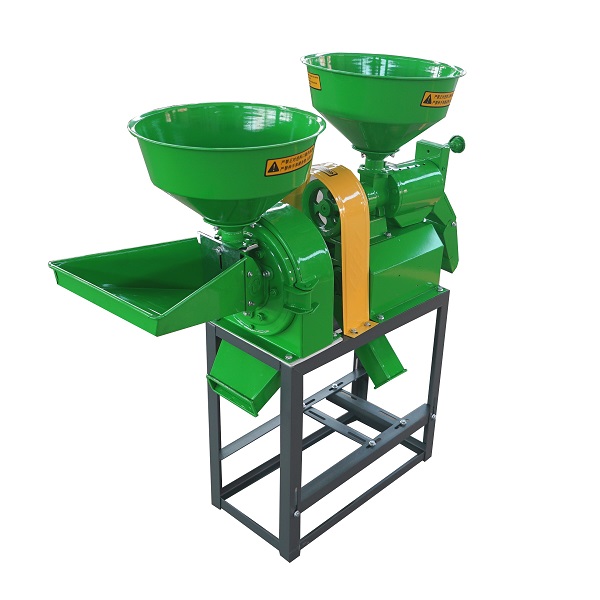

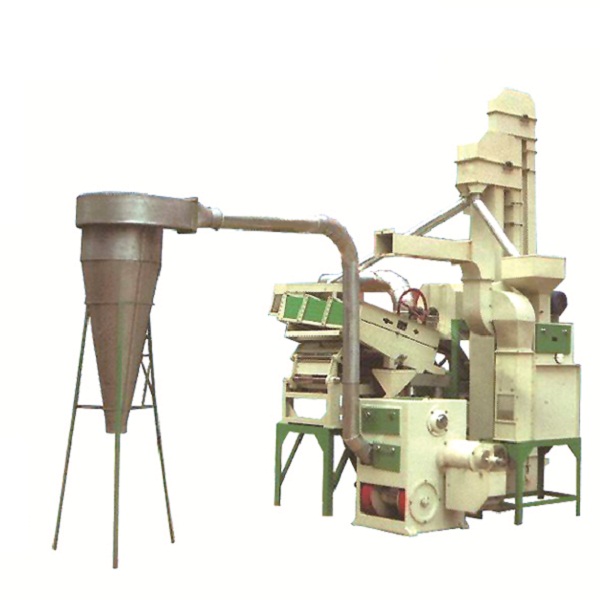
Combined Rice Mill Factory Is The Best Ahead of the Curve
In the competitive landscape of rice milling, staying ahead of the curve is crucial for enhancing efficiency and productivity. The latest advancements in technology have revolutionized the way rice is processed, making it essential for manufacturers and suppliers to adapt to these innovations. A combined rice mill factory exemplifies this transformation, integrating various processes into a streamlined operation. This approach not only optimizes production but also significantly reduces costs and waste, ensuring that customers receive high-quality products at competitive prices. Moreover, environmental sustainability has become a pressing concern in the industry. Modern rice mills are now designed with eco-friendly features that minimize energy consumption and reduce the carbon footprint. By implementing advanced dust collection systems and energy-efficient machinery, businesses can meet strict environmental standards while enhancing their operational effectiveness. This commitment to sustainability not only appeals to modern consumers but also positions manufacturers as responsible leaders in the global market. For global buyers, investing in a combined rice mill factory means aligning with a supplier that prioritizes innovation, quality, and sustainability. As the demand for rice continues to grow worldwide, choosing the right milling technology will be pivotal for success. By partnering with progressive manufacturers, purchasers can ensure they are equipped to meet market demands while maintaining high standards of production and environmental responsibility. In this rapidly evolving sector, staying updated with the latest developments is essential for any business aiming to thrive and maintain a competitive edge.
Combined Rice Mill Factory Is The Best Ahead of the Curve
| Feature | Description | Benefits | Rating |
|---|---|---|---|
| High Efficiency | Utilizes advanced machinery for optimal processing. | Increases production rates and minimizes downtime. | 4.8/5 |
| Quality Control | Rigorous testing of rice quality and process. | Ensures premium product for clients. | 4.9/5 |
| Sustainability | Eco-friendly processes and waste management. | Reduces environmental impact. | 4.7/5 |
| Innovation | Incorporating the latest technologies in milling. | Keeps the factory competitive in the market. | 4.6/5 |
| Customer Support | 24/7 support for clients. | Ensures client satisfaction and quick issue resolution. | 4.8/5 |
Related Products
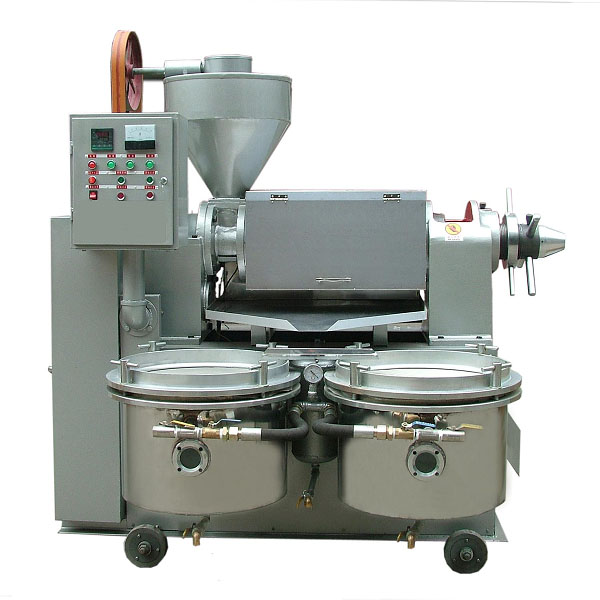
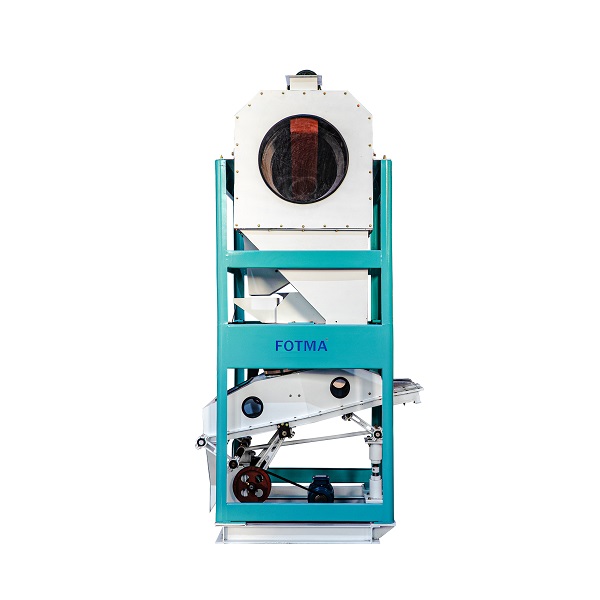

Combined Rice Mill Factory in 2025 Winning in 2025
Top Selling Products


- Related Blog
- Reviews
