

China Cooking Oil Manufacturing Plant Cost from Leading Manufacturer
When it comes to setting up a cooking oil manufacturing plant, cost is a top priority for many businesses. As a potential buyer, you might be curious about various options in China, known for its diverse manufacturers and competitive prices. Investing in a factory tailored to your needs can lead to significant savings and efficiency. I understand the challenges in finding a reliable supplier who delivers quality equipment while keeping the costs manageable. Our manufacturing plants come with cutting-edge technology, ensuring high production capacity and excellent extraction rates. With a focus on quality control and durability, our solutions are designed to meet both local and international standards. Partnering with a reputable manufacturer in China means you get strong after-sales support and technical assistance, making your investment worthwhile. If you're ready to take your business to the next level with a top-notch cooking oil manufacturing plant, let’s discuss how we can make this journey seamless for you.

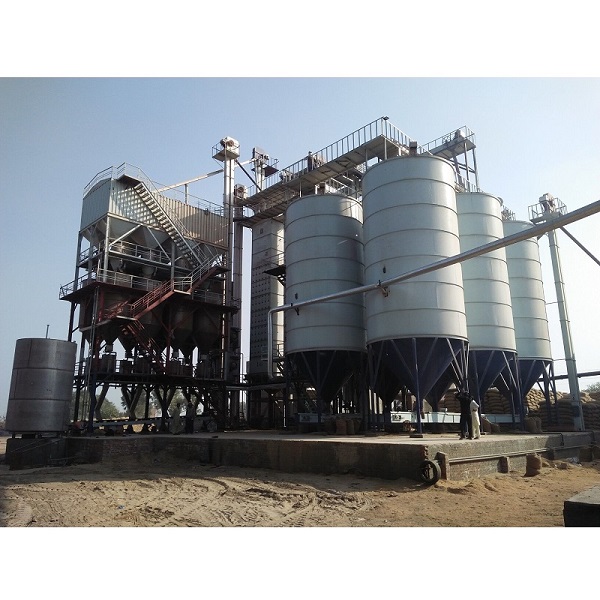
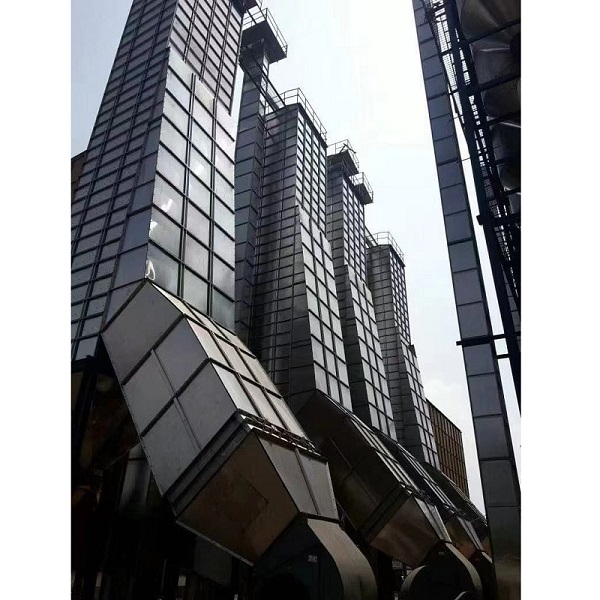

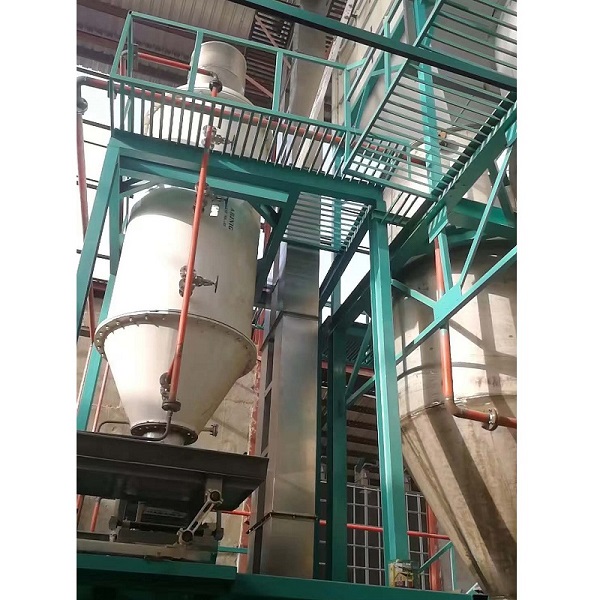
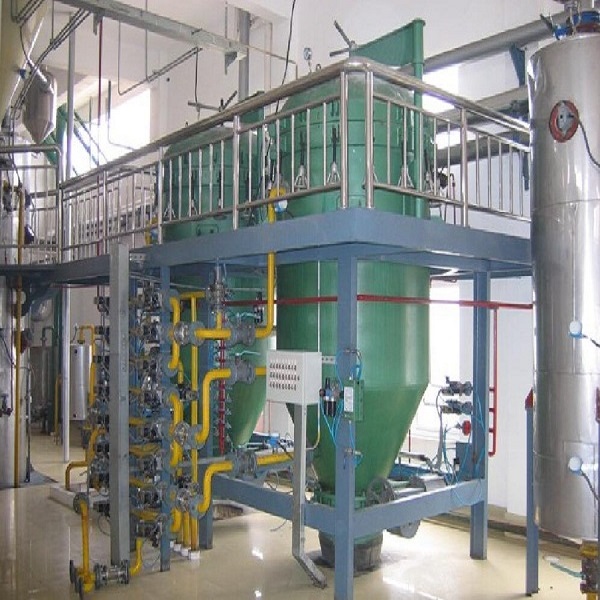
Cooking Oil Manufacturing Plant Cost Factory Is The Best Sets the Industry Standard
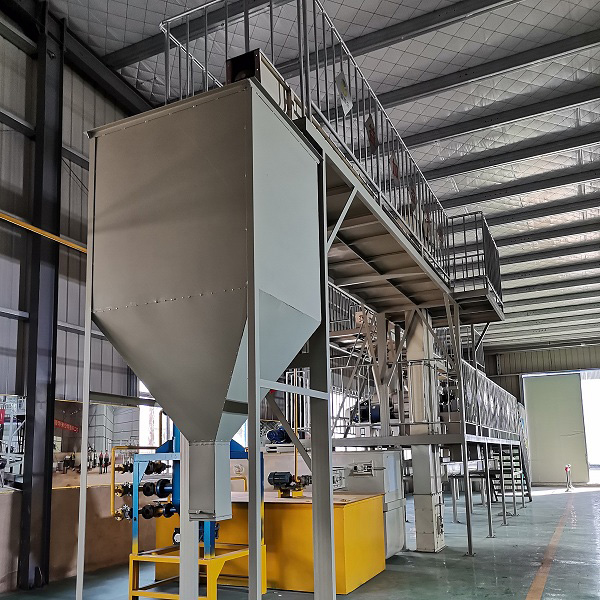
When it comes to setting benchmarks in the cooking oil manufacturing industry, the cost-effectiveness of the production plant plays a crucial role. A well-designed cooking oil manufacturing plant not only minimizes investment costs but also maximizes operational efficiency, making it an attractive option for global buyers looking to enter the market. The importance of both machinery quality and technology integration cannot be overstated, as these elements directly influence the yield and quality of the final product. In the competitive landscape of cooking oil production, it is essential for manufacturers to adopt state-of-the-art equipment that enhances productivity while keeping operational expenses in check. Advanced processing techniques, combined with energy-efficient machinery, can significantly reduce production time and waste. For buyers seeking to establish their manufacturing plants, understanding the comprehensive cost structure—including equipment, installation, and maintenance—will provide clarity on potential return on investment. Therefore, when evaluating options for a cooking oil manufacturing plant, global purchasers should seek out solutions that not only deliver cost savings but also adhere to industry standards in quality and safety. The right choice will empower them to craft premium cooking oils that meet international demand, thereby positioning them for long-term success in this dynamic sector. Investing in a top-tier manufacturing plant is not just a purchase; it is a strategic decision that lays the groundwork for future growth and sustainability in the cooking oil market.
Cooking Oil Manufacturing Plant Cost Factory Is The Best Sets the Industry Standard
| Parameter | Description | Value |
|---|---|---|
| Plant Area | Total area of the manufacturing facility | 5000 m² |
| Production Capacity | Daily oil production capacity | 100,000 liters |
| Employee Count | Total number of employees | 75 |
| Operating Hours | Daily operating hours of the plant | 18 hours |
| Machinery Type | Types of machinery used in production | Cold press, Refining units |
| Energy Source | Main source of energy for production | Natural Gas |
| Certification | Quality certifications obtained | ISO 9001, HACCP |
| Raw Materials | Main raw materials used for production | Sunflower seeds, Soybean |
Related Products
Cooking Oil Manufacturing Plant Cost Factory Supplier Stands Out
Top Selling Products

- Related Blog
- Reviews
