

China Manufacturer: Affordable Rice Processing Plant Cost Explained
If you're considering setting up a rice processing plant, understanding the costs involved is crucial. As someone who navigated this journey, I can say that partnering with a reliable manufacturer in China can make a world of difference. The investment in a quality rice processing plant can significantly enhance your production efficiency while ensuring high-quality output. Factors such as capacity, technology, and automation level can impact the overall cost, so it’s important to assess your specific needs before making a decision. I found that discussing options with experienced manufacturers in China not only helped me understand the pricing spectrum but also provided insights into the best practices for optimizing production. By choosing the right equipment, you can maximize your investment and boost your competitiveness in the market. Let's connect and explore how a well-planned rice processing plant can scale your business successfully.
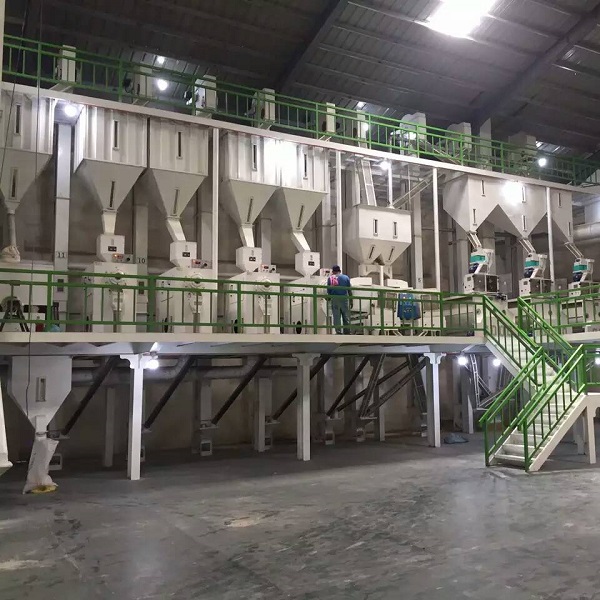

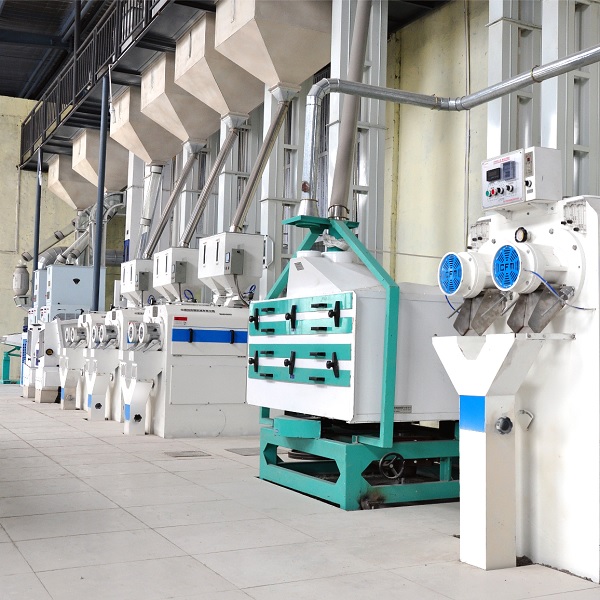
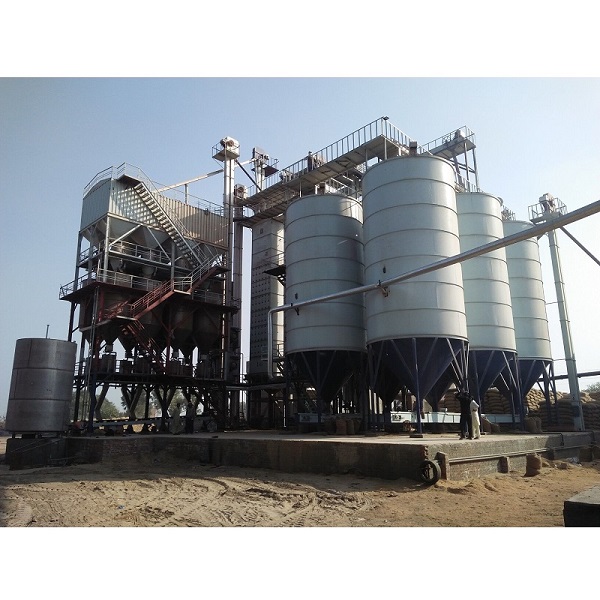
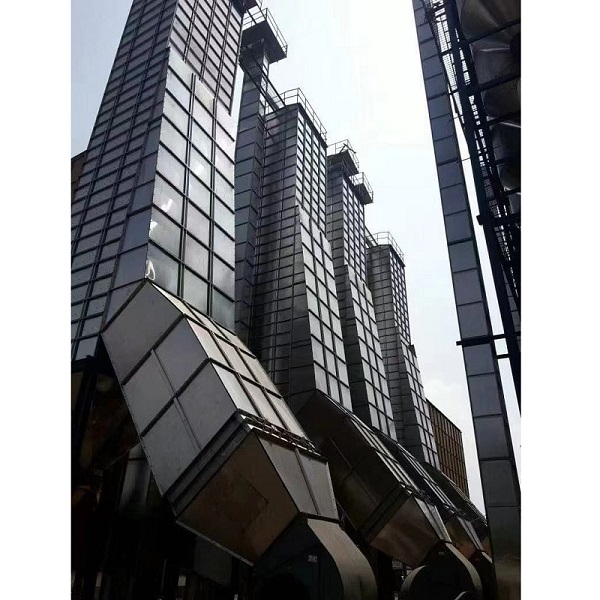
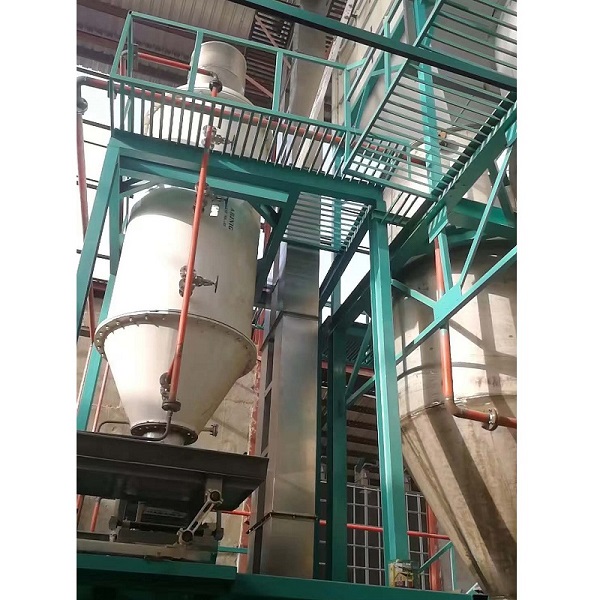
Rice Processing Plant Cost Where Innovation Meets 2025 Supplies the World\u2019s Top Brands
In an era where innovation drives efficiency and sustainability in agriculture, the rice processing sector is poised to meet the burgeoning global demand. As we approach 2025, the integration of advanced technologies and automated solutions will redefine the landscape of rice processing plants. By incorporating cutting-edge machinery, processors can significantly reduce operational costs while enhancing productivity and quality. The results are not just cost-effective solutions but also eco-friendly practices that resonate with the growing trend of sustainable sourcing among leading global brands. Investment in modern rice processing plants is more than just about machinery; it's about fostering a new standard of excellence and reliability. With the right blend of technology and innovation, businesses can achieve operational efficiency that appeals to both consumers and industry stakeholders. This transformation supports the vision of providing top-tier rice products that meet international standards. As global purchasers strategize their supply chains, a focus on innovative rice processing solutions will ensure they remain at the forefront of the market, setting a benchmark for quality and sustainability. As the rice industry evolves, the integration of smarter processing technologies will be crucial. Adopting such innovations not only streamlines operations but also builds a resilient supply chain that can adapt to fluctuations in demand. For global buyers seeking to partner with forward-thinking suppliers, investing in modern rice processing solutions is essential. As we look to the future, aligning with innovations that promise efficiency and sustainability will be key to satisfying the world's appetite for premium rice products.
| Aspect | Details |
|---|---|
| Plant Capacity (Tons/Day) | 150 |
| Initial Investment (USD) | 2,500,000 |
| Number of Employees | 50 |
| Average Operating Cost (Monthly) | 150,000 |
| Technology Used | Automated rice milling |
| Sustainability Features | Water recirculation system |
| Expected ROI (Years) | 3 |
| Market Reach (Regions) | Asia, Africa, Europe |
| Quality Certifications | ISO 22000, HACCP |
Related Products
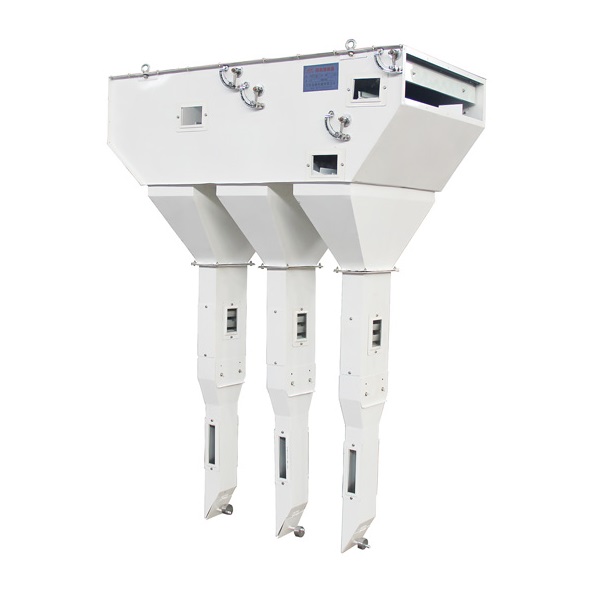


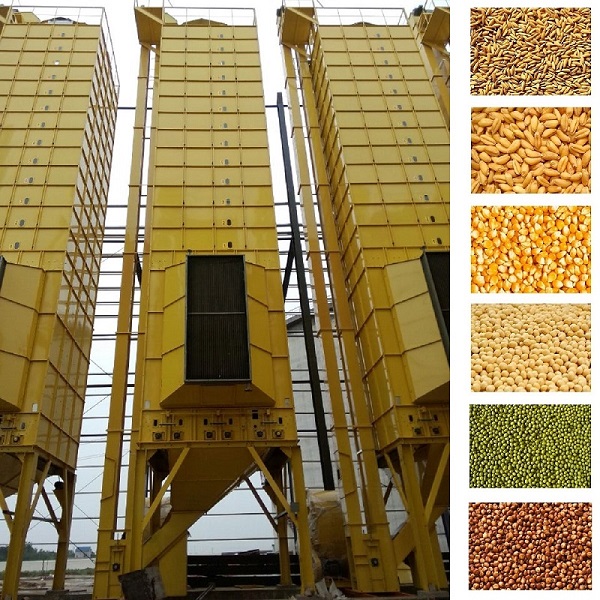


Rice Processing Plant Cost Is The Best Industry Leaders
Top Selling Products




- Related Blog
- Reviews
