

Top China Manufacturer of Whitener Rice Mill Equipment
As a dedicated buyer in the quest for high-quality rice processing, I've found that Whitener Rice Mill stands out among options, especially when sourced from China. This mill is designed to enhance rice quality with efficient whitening technology, ensuring that each grain meets the demands of today’s market. Working with a reliable manufacturer is crucial, and from my experience, choosing the right equipment can significantly affect production efficiency and final product quality. The Whitener Rice Mill offers consistent results, which I've seen firsthand in boosting my output. Not only does it reduce breakage, but it also preserves the nutritional value of rice, aligning with consumer preferences. When considering a supplier, I've focused on manufacturers that are known for their innovative technology and customer support. With a competitive edge in the market, the Whitener Rice Mill can elevate your operations, providing an essential advantage for any business seeking to thrive in the rice industry.
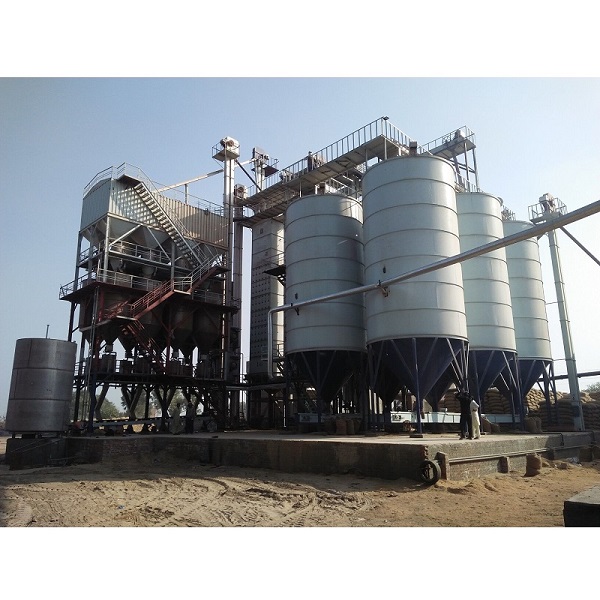
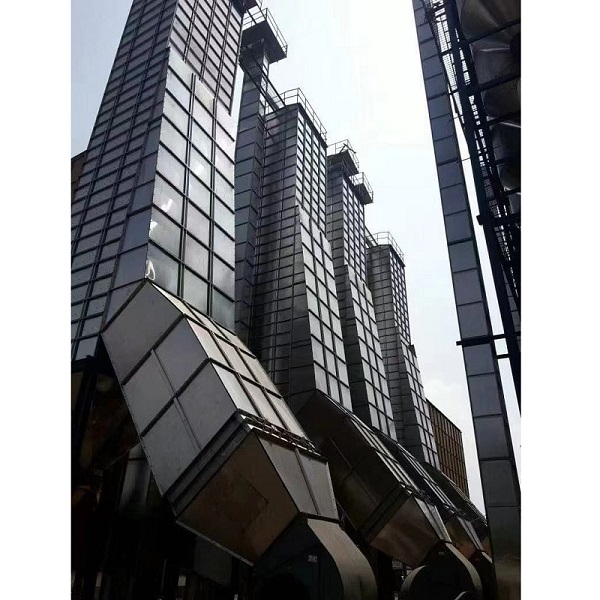
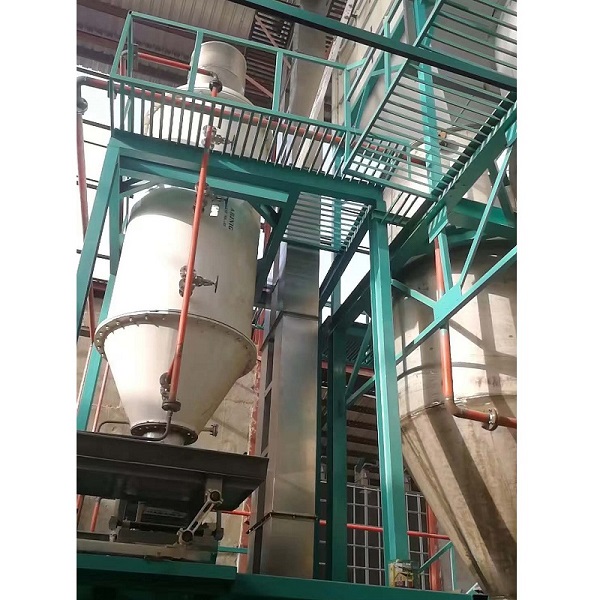


Whitener Rice Mill Winning in 2025 From Concept to Delivery
In the evolving landscape of the rice milling industry, innovation and efficiency are the cornerstones of success. The concept of the Whitener Rice Mill, designed for optimal performance and reliability, aims to revolutionize rice processing by 2025. Our cutting-edge technology seamlessly integrates various functionalities, ensuring that every grain of rice achieves the highest quality standards through precise whitening techniques. This approach not only enhances product quality but also maximizes yield, allowing mill operators to meet the growing global demand efficiently. As we move from concept to delivery, our commitment to excellence encompasses stringent quality control and a focus on user-friendly operations. By leveraging advanced machinery and automation, we minimize downtime and elevate productivity, which is essential for businesses aiming to thrive in competitive markets. Furthermore, we emphasize sustainability by incorporating energy-efficient designs, significantly reducing environmental impact and operational costs. This makes our Whitener Rice Mill not just a purchase, but a strategic investment for future-oriented enterprises. Global buyers will find our solutions particularly appealing as they align with international quality standards and market trends. With the capability to scale operations efficiently, our rice milling technology is suitable for various market sizes, from local suppliers to large-scale exporters. As we continue to advance, our vision is to empower millers worldwide, ensuring they are equipped not just to compete but to lead in the rice production industry by 2025 and beyond.
Whitener Rice Mill Winning in 2025 From Concept to Delivery
| Phase | Description | Key Metrics | Completion Date |
|---|---|---|---|
| 1. Planning | Define project scope, objectives, and initial resources. | ROI, Initial Budget, Timeline | Q1 2023 |
| 2. Design | Create architectural and engineering designs. | Design Approval, Cost Estimates | Q2 2023 |
| 3. Construction | Build the rice mill infrastructure based on designs. | Construction Progress, Safety Incidents | Q4 2024 |
| 4. Testing | Test all machinery and processes for quality assurance. | Test Results, Efficiency Metrics | Q1 2025 |
| 5. Launch | Officially open the rice mill for production. | Production Volume, Market Penetration | Q2 2025 |
Related Products
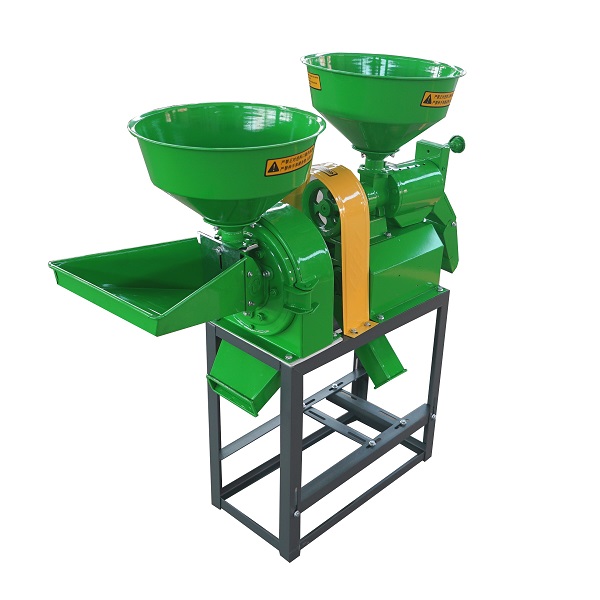

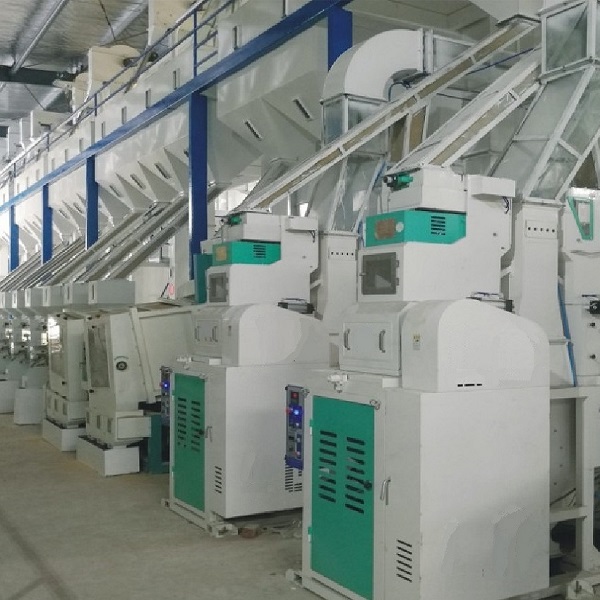

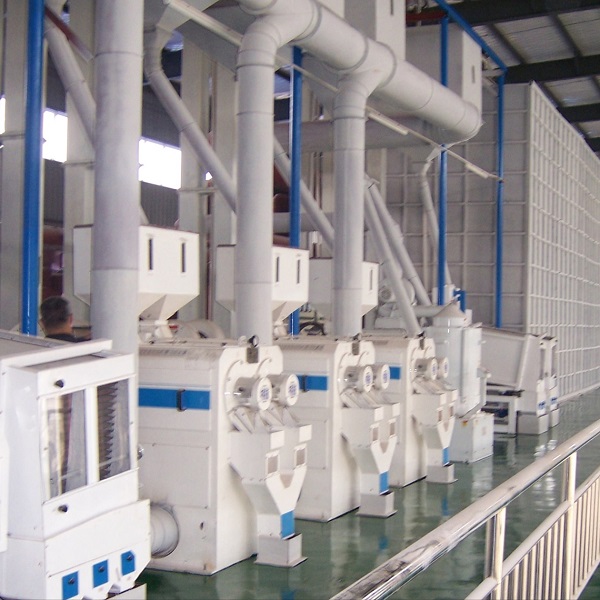
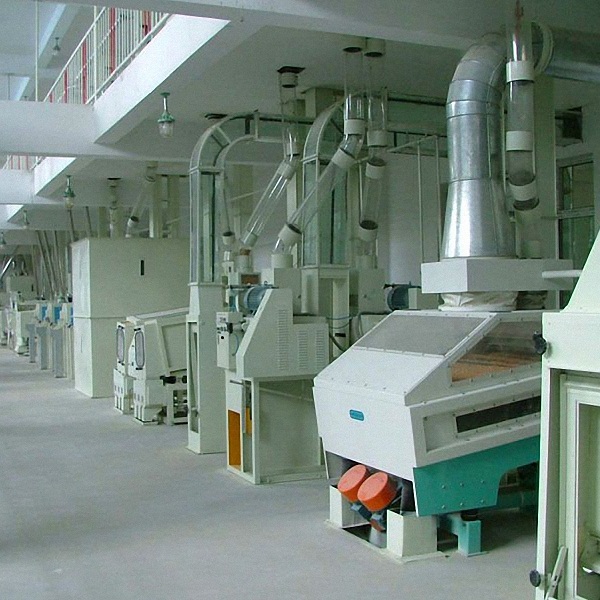
Whitener Rice Mill Supplies the World\u2019s Top Brands Factory-Direct Excellence
Top Selling Products



- Related Blog
- Reviews
