

Affordable Wholesale Cooking Oil Manufacturing Plant Cost in China
Starting a cooking oil business is not just about a great recipe; it involves finding the right manufacturing plant that fits your budget. At {XYZ Company}, I understand that the cost of a wholesale cooking oil manufacturing plant in China can greatly influence your decision. My experience allows me to guide you through the various factors that affect the overall cost, from equipment to labor. As a seasoned manufacturer, I focus on providing high-quality solutions tailored to your specific needs. I’ve worked with numerous clients who found it daunting to navigate pricing structures, but with my insights, they’ve successfully launched their businesses. Whether you want to produce sunflower, palm, or canola oil, I’ll help you identify the most cost-effective options for your manufacturing setup. Let’s connect to discuss how my expertise can lead you to a profitable venture in the cooking oil industry.

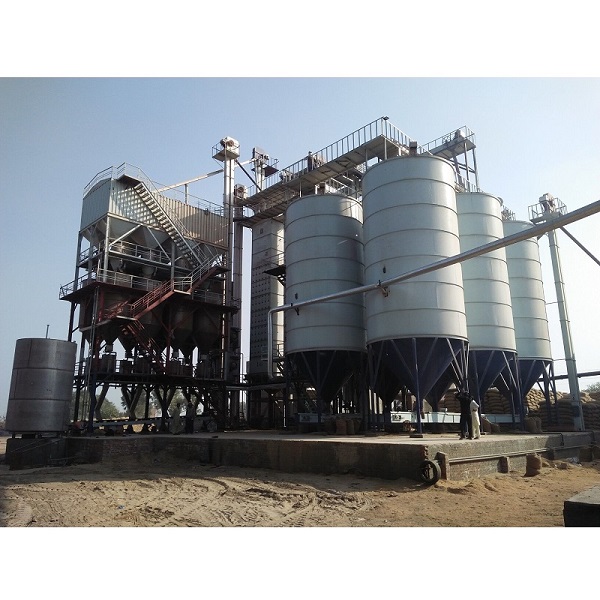
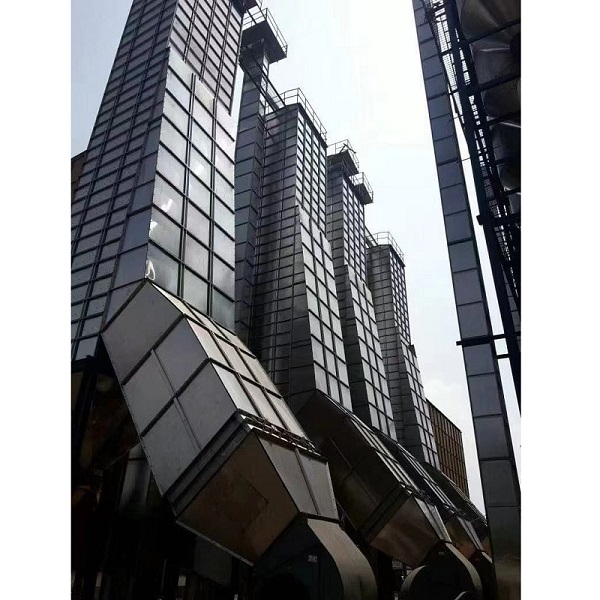

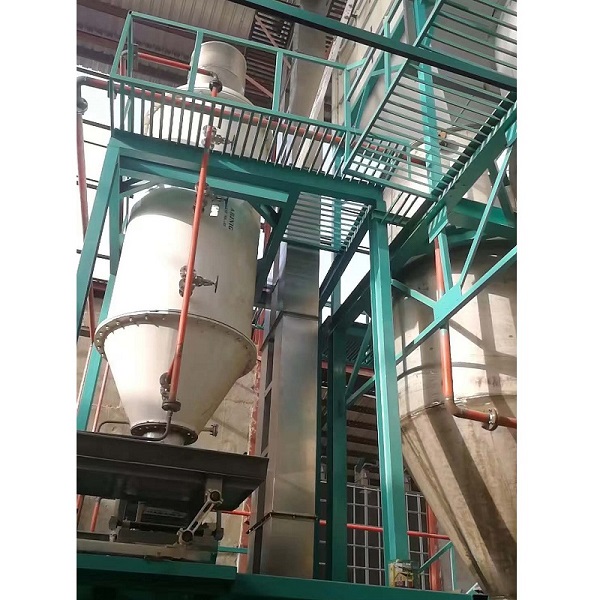
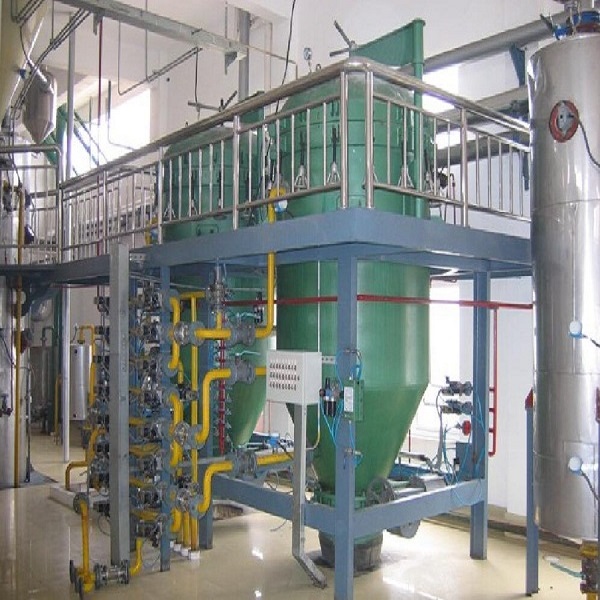
Wholesale Cooking Oil Manufacturing Plant Cost Sets the Industry Standard Outperforms the Competition
When seeking to invest in a wholesale cooking oil manufacturing plant, understanding the associated costs and how they align with industry standards is crucial for making an informed decision. The manufacturing landscape has become highly competitive, with many players vying for market share. What sets apart the best options in the market is not just the initial investment but the long-term operational efficiency and profitability that these facilities can offer. A state-of-the-art cooking oil manufacturing plant can elevate your production capabilities, ensuring high-quality output while optimizing resource consumption. With advanced technology integrated into the manufacturing process, you can achieve a higher yield and reduce waste, which translates to cost savings over time. By selecting a facility that not only meets regulatory compliance but also incorporates innovative practices, businesses can position themselves ahead of competitors, securing a strong foothold in the industry. Moreover, considering ancillary costs such as maintenance, workforce training, and supply chain logistics is vital when evaluating plant investments. A comprehensive analysis that includes these factors will help in choosing a manufacturing plant that not only meets the immediate needs but also supports sustainable growth and adaptability in an ever-evolving market. Making the right choice can significantly impact your business's bottom line, ensuring you remain competitive and capable of meeting the demands of a global market.
Wholesale Cooking Oil Manufacturing Plant Cost Sets the Industry Standard Outperforms the Competition
| Dimension | Value |
|---|---|
| Annual Production Capacity (Metric Tons) | 50,000 |
| Number of Employees | 120 |
| Production Line Speed (Liters/Hour) | 1,200 |
| Quality Certifications | ISO 9001, HACCP |
| Energy Consumption (kWh/M.T.) | 150 |
| Waste Production (Metric Tons/Year) | 5,000 |
| Main Raw Materials | Soybean Oil, Palm Oil, Sunflower Oil |
| Average Production Cost (Per Metric Ton) | $800 |
| Market Share (%) | 15 |
Related Products
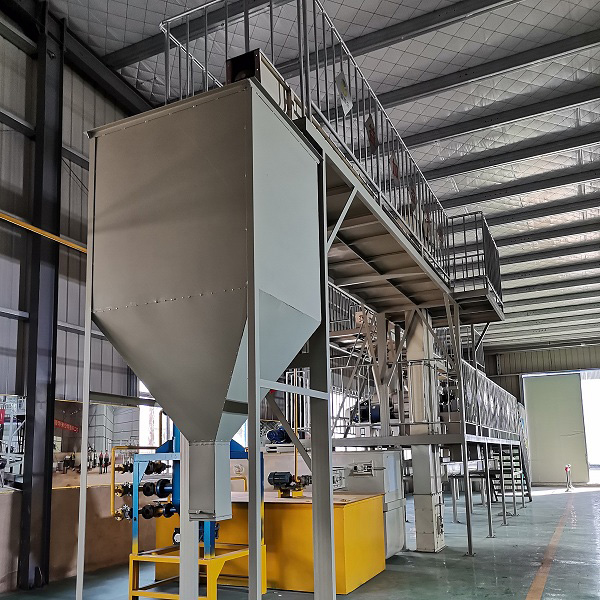
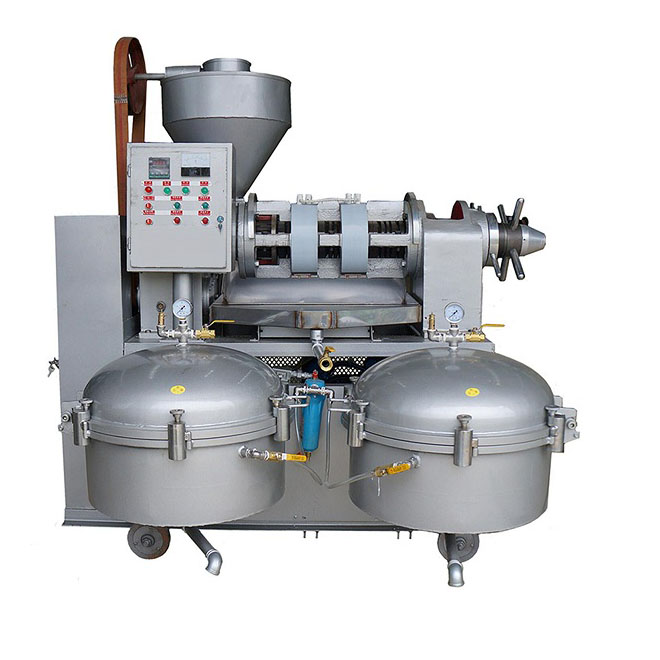
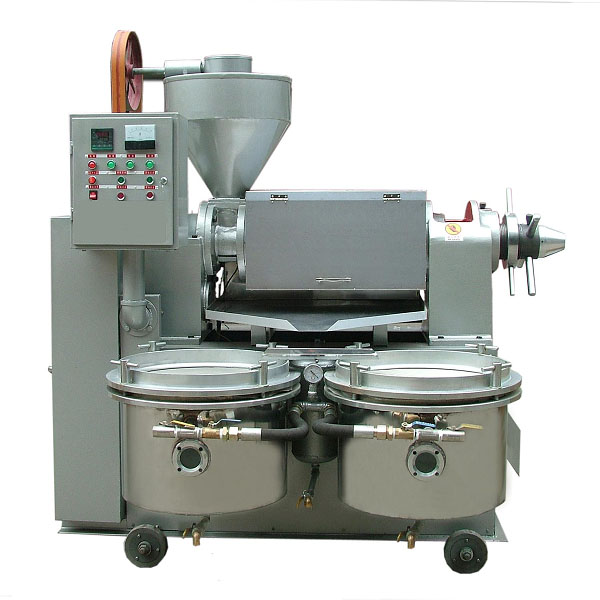
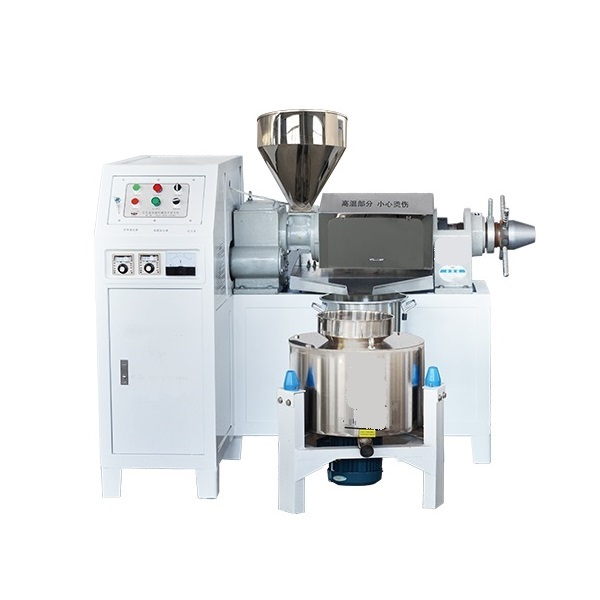
Wholesale Cooking Oil Manufacturing Plant Cost Products Now Trending
Top Selling Products



- Related Blog
- Reviews
